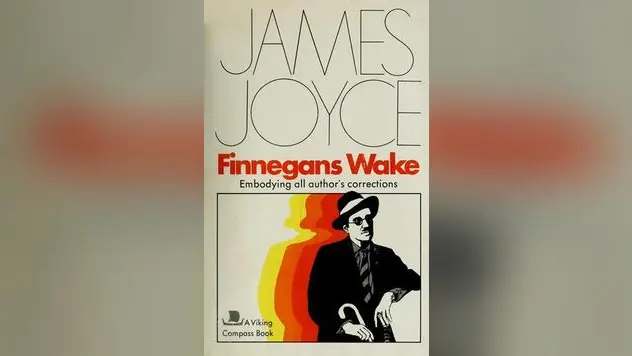
“Finnegans Wake”: The novel that turned language into a dream
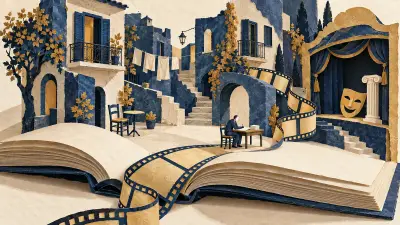
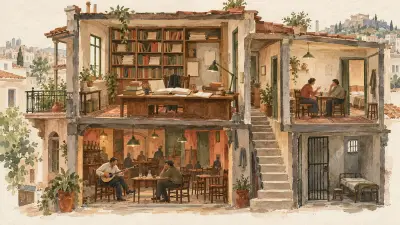
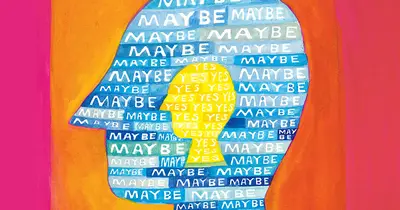
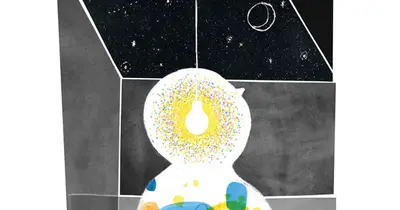
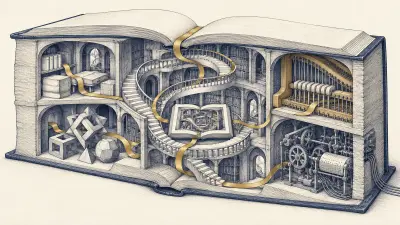
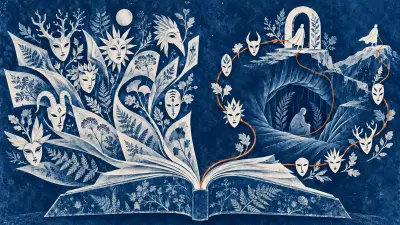
James Joyce's experimental novel, published in 1939, upends language and plot to convey nighttime consciousness, and remains one of literature's most difficult—and influential—works.
In his book Sleeping Beauties, David Byrne explores why important ideas are sidelined and how they are rediscovered. His stories highlight the role of prejudice, chance and open-mindedness in recognizing creativity.
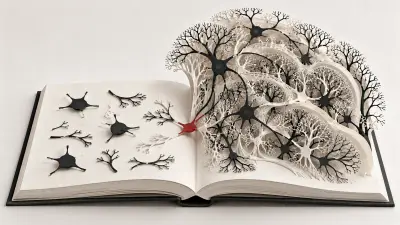
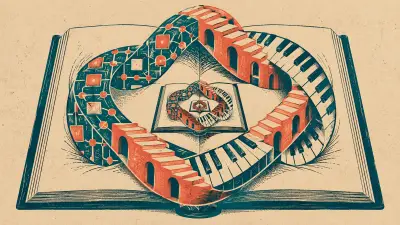
Neurobiologist Robert Sapolsky explains why the classical reductionist approach fails to explain complex biological systems and presents the basic ideas of chaos theory and fractals.
Simon Singh's book recounts the search for a proof of Fermat's Last Theorem, from its formulation in 1637 to Andrew Wiles's proof in 1995 — and how it became the first mathematics book to reach number one on the UK bestseller list.
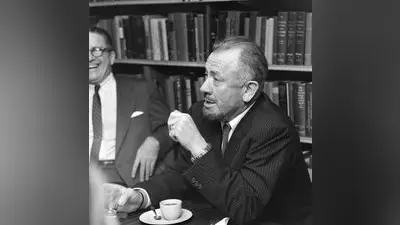
American writer John Steinbeck was awarded the Nobel Prize in Literature in 1962 for his realistic and socially perceptive work. He wrote some of the most widely read books of the 20th century, focusing on California's poor workers and outcasts.
John Steinbeck's family saga about two families in California's Salinas Valley, set against the story of Cain and Abel, explores guilt, freedom and the power of choice.
Two workers, a shared dream and a tragic ending: John Steinbeck's classic work about friendship, loneliness and powerlessness in the face of circumstances.
Eighty-seven years after its publication, John Steinbeck's novel about the Joad family and their journey as displaced people from Oklahoma to California remains one of the most important works of social fiction in American literature, because it connects ecological disaster with economic injustice and human dignity.
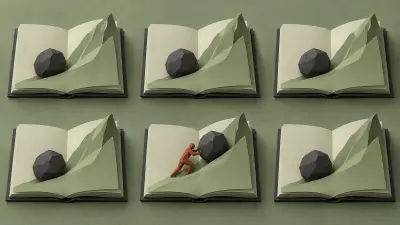
The 1942 essay in which Camus argues that life has no inherent meaning, but that this does not lead to suicide: it leads to revolt, freedom and a passion for life.
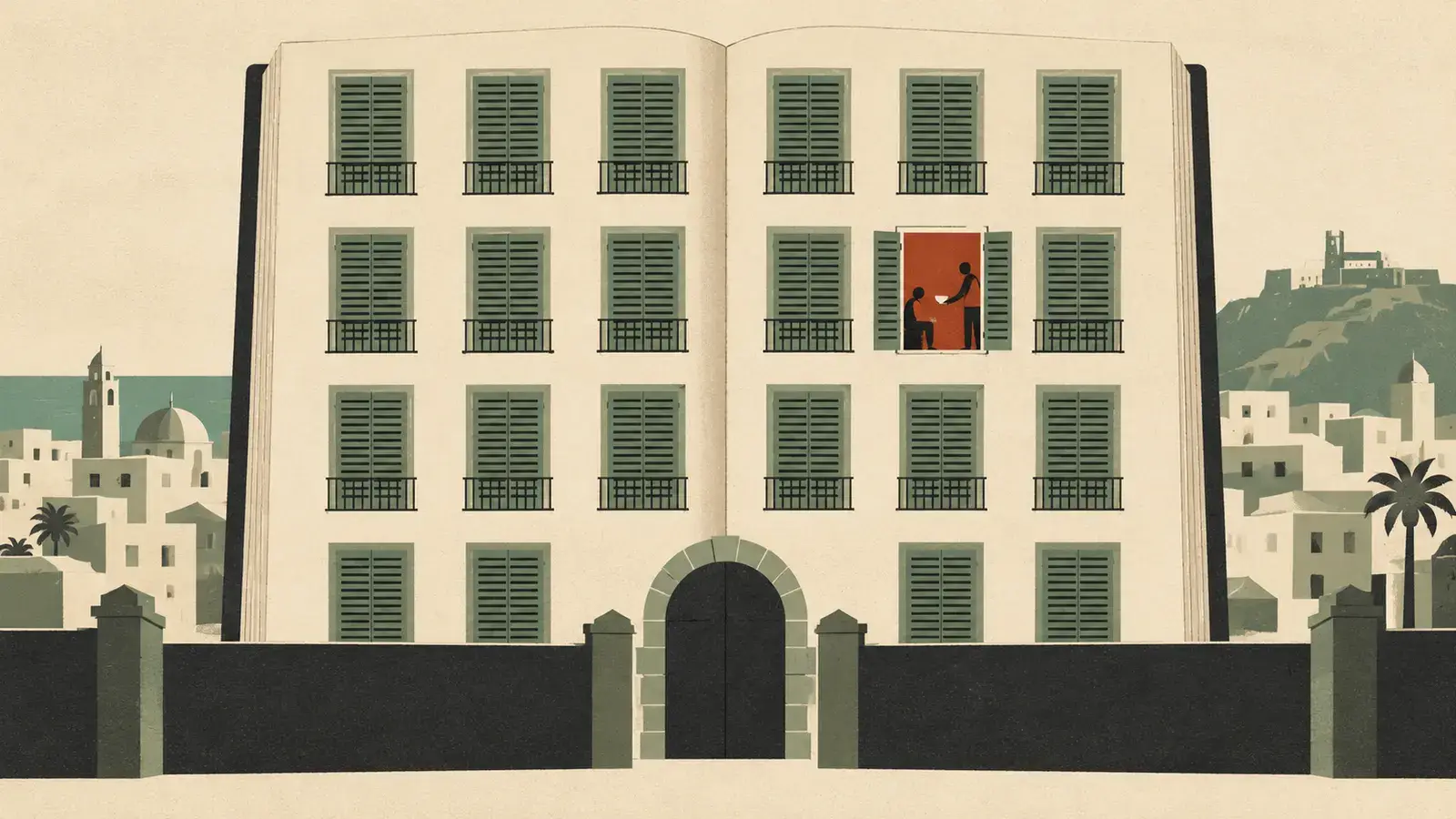
The 1947 novel describes the epidemic and the closure of Oran, and through its characters' choices reminds us that even in a crisis, people are more good than bad.
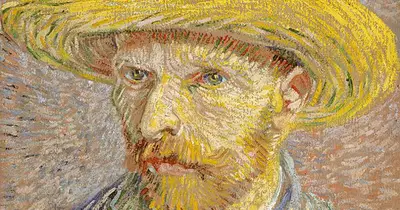
In an 1884 letter to his brother Theo, Vincent van Gogh argues that fear of mistakes and the “blank stare” of the white canvas lead to stagnation and mediocrity; Amanda Palmer says the gift we have to give usually lies where we do not want to go and do not feel safe.
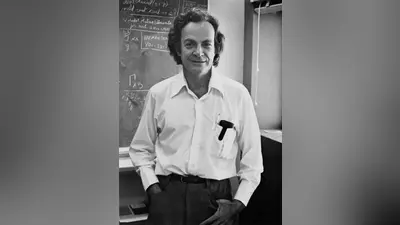
Richard Feynman won a Nobel Prize for laying the foundations of quantum electrodynamics, created the diagrams named after him and became widely known as a science communicator — with dark aspects to his personal life.
A free account makes the site yours too:
Already have an account? Log in