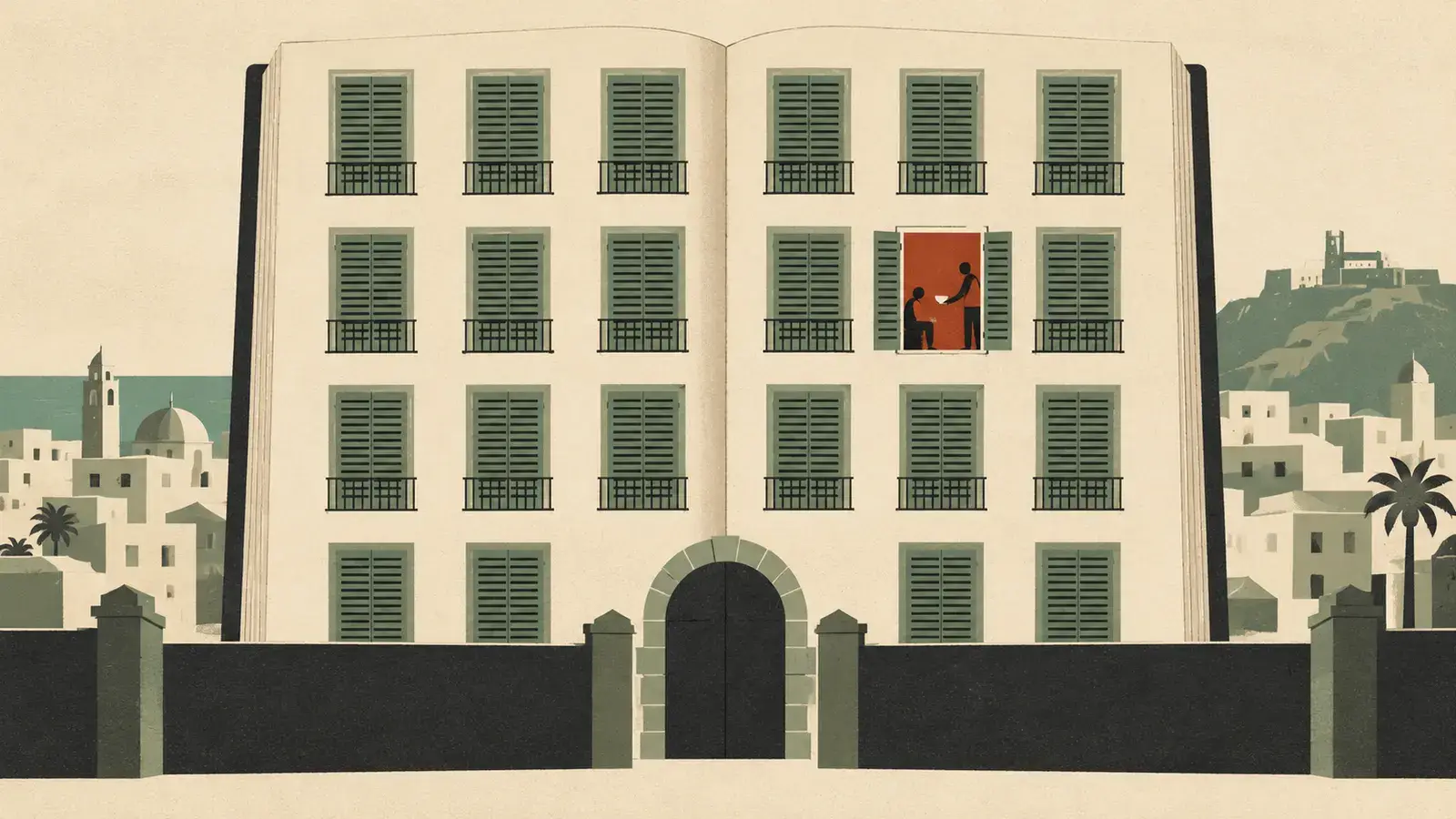
“The Plague” (La Peste) is a novel by Albert Camus, published in 1947. The plot unfolds in the city of Oran in French Algeria, which faces a plague epidemic and is placed under quarantine. The work is considered a classic of existentialism, although Camus himself rejected that label; the narrative highlights the characters' inability to control their fate through the author's “absurd” lens.
Camus drew on the cholera epidemic of 1849, which killed a large part of Oran's population, but set the story in the 1940s. An academic study cited on Wikipedia states that bubonic plague struck Oran in 1556 and 1678, while later outbreaks (185 cases in 1921, 76 in 1931 and 95 in 1944) were far smaller than the epidemic described in the novel.
In the story, rats begin dying en masse, and the authorities refuse for a long time to acknowledge the seriousness of the situation. Measures are gradually introduced, including quarantine in homes, inspection of the dead, a curfew and martial law, while sentries shoot those who try to leave the city. Dr. Bernard Rieux, journalist Raymond Rambert, Father Paneloux, volunteer Jean Tarrou, clerk Joseph Grand and smuggler Cottard each respond in their own way to the illness and the city's isolation.
Rambert initially tries to escape to join his partner in Paris, but ultimately chooses to stay, saying he would be ashamed of himself if he left. Father Paneloux first preaches that the plague is God's punishment for the city's sins, but then joins the volunteers and dies of an illness with symptoms that do not match those of the plague, after having to confront the problem of an innocent child's suffering. Tarrou shares with Rieux his opposition to violence, particularly the death penalty, while Cottard grows rich from smuggling during the crisis.
As the epidemic recedes, Tarrou dies after a “heroic struggle”. In February, the gates open, and Cottard has a psychological breakdown and fires shots from his home before being arrested. At the end, Rieux reveals that he is the narrator of the chronicle; he says he tried to describe the events objectively and wrote the chronicle to show that, even in a crisis, people are more good than bad.
Critics have pointed out that the novel was read as an allegory of the French resistance to the Nazi occupation. Germaine Brée described the characters' struggle as “subdued and stubborn”, in contrast to the “glorification of power” in André Malraux's novels: Camus's characters save rather than destroy, and do so “in the name of no ideology”. Marina Warner notes the themes of “commitment”, “pettiness and generosity”, “small acts of heroism and great cowardice”, as well as the deeply humanistic questions of love, kindness, happiness and connection between people.
Dr. Rieux has been described as a classic example of an idealistic doctor and inspired the life and career of the French physician Réjean Thomas, as well as the fictional character Jeanne Dion in Bernard Émond's film trilogy. The book's narrative tone has been compared to that of Franz Kafka, particularly in “The Trial”, as its sentences can carry multiple meanings and its material serves as a pointed allegory of the human condition.
In 2020, during the COVID-19 pandemic, “The Plague” became a bestseller again, to the point that the British publisher Penguin Classics struggled to meet demand; in Italy, sales tripled and the book entered the top ten bestsellers during the national lockdown. Camus's daughter, Catherine, said the work's message had taken on new significance: “we are not responsible for the coronavirus, but we can be responsible in how we respond to it”. Camus had been working on the book since April 1941, recording ideas about the “redemptive plague” in his diaries, and in 1942 he told André Malraux that he was writing “a novel about the plague”.
“The Plague” has been translated into Greek many times, from Kostas Douflias's 1970 translation (Damianos) to the translation by Niki Karakitsou-Dougé and Maria Kasambaloglou-Roblin (Kastaniotis, 2001). The novel was also adapted for the screen: in 1992, in a film by Luis Puenzo starring William Hurt, Sandrine Bonnaire, Robert Duvall and Raúl Juliá, and in 2024 as a French-Belgian miniseries.

Comments