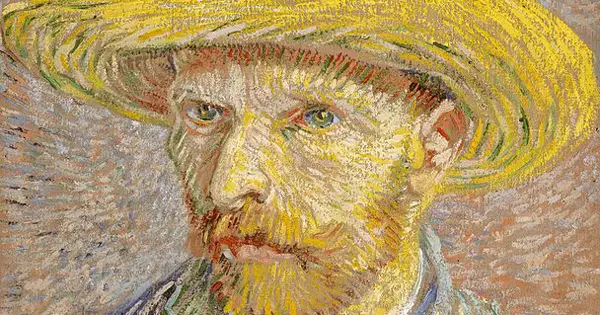
A letter from Vincent van Gogh to his brother Theo, written on 2 October 1884, is coming back into focus through the collection “Ever Yours: The Essential Letters”, reminding us that fear of making a mistake can become a greater obstacle than the mistake itself. Van Gogh writes that anyone who wants to be active must not be afraid of doing something wrong or making errors. He considers the idea that simply doing no harm is enough to make us good a lie; this, he says, leads to stagnation and mediocrity.
He uses the image of a blank canvas to illustrate this paralysis: he describes it staring at you stupidly and paralysing the painter, whispering “you can't”. Many painters fear the empty canvas, but the canvas, according to Van Gogh, fears the truly passionate painter who dares and breaks the spell.
The same reasoning, he continues, applies to life. Life can turn an infinitely meaningless, discouraging and empty side towards us, like a blank canvas. But a person with faith, energy and warmth does not let themselves be fooled; they step in, do something, hold on to it and “break into” the void.
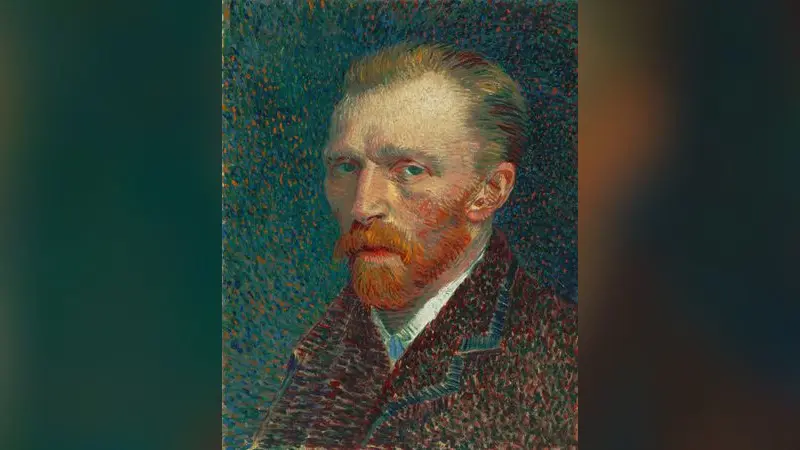
The text connects Van Gogh's words with a statement by Amanda Palmer at a book festival in Boston, where she spoke about the experience of watching her best friend die. Palmer said that we will all be gone soon and that it is foolish to play it safe; usually, where we do not want to go, that risk and that unsafe place, is the gift we have to give. The writer in The Marginalian sees in these words a hand reaching through time and grasping the Dutch painter's words.
The letter, the writer notes, belongs to a collection that is infinitely life-giving as a whole; it is complemented by Van Gogh's writings on art and the power of love, depression and his sketchbooks, as well as a reflection by social scientist John Gardner on children and risk.
The message remains relevant: the safety of “doing nothing” may seem protective, but it often amounts to standing still. Mistakes, when made through passion and effort, can move us forward instead of holding us back.
Comments