
Researchers with the Secrets of the Ice program recovered forty-eight ancient arrowheads and shafts during the latest field season in the mountains of southern Norway. The objects date from different periods and are made from a variety of materials, with some remarkably well preserved. They include some of the oldest finds the program has discovered.
The arrowheads are made from slate, bone and even the shell of a freshwater mussel. The reported ages of the finds range from roughly 2,000 to 5,000 years, while one slate arrowhead may be 6,000 years old. The shell arrowhead was found with its intact wooden shaft and is estimated to be around 3,600 years old.
The research focused on the Langfonne, Storfonne and Handklefonne glaciers in the Jotunheimen mountain range. According to the report, particularly old ice survives there, containing older objects as well. The expedition is part of a systematic effort to locate archaeological finds in the ice, now in its twentieth year.
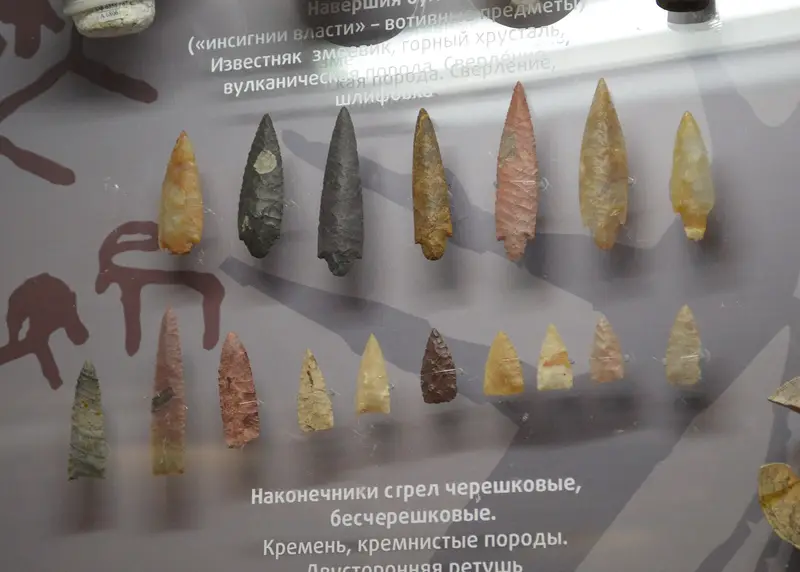
Secrets of the Ice is organized through a partnership between Innlandet County and the Oslo Cultural Museum. The researchers say that when they began in 2006, most objects they recovered were less than 2,000 years old, with many dating from the Viking Age. Now, as they explain in a post, more and more of the objects revealed by melting ice are over 2,000 years old. Many belong to the Stone Age and the Bronze Age, while the oldest are more than 6,000 years old.
The ice has helped preserve wood and other organic materials by slowing their decay. The report links this preservation to cold conditions and a lack of oxygen, which limit bacterial decomposition. Once the objects are exposed outside the ice, however, their condition can deteriorate very quickly. This is why many are placed in refrigerated, oxygen-free display cases at a nearby museum until they can be cataloged, studied and possibly transferred to Oslo.
Since it began, the program has recorded 73 archaeological sites and recovered more than 5,000 objects. Previous finds include a ski, which the report describes as the oldest in the world, and a leather shoe from the time of ancient Babylon. The new arrows extend the collection’s chronological range and provide additional material for studying ancient manufacturing techniques and hunting equipment.




Comments