Meaningful involvement by local communities is a common feature of many successful efforts to protect nature, according to a review by researchers at the University of Sydney. Examining cases in which species and ecosystems are doing better than expected despite pressures, the team identified recurring conditions for success across different continents. Central to these are recognition of local knowledge, residents' active role in decisions and management adapted to the needs of each place.
The researchers analyzed more than 70 studies of successful examples of environmental protection and sustainability. Rather than starting with the causes of degradation, they looked for what enables certain places, species and systems of interaction between people and nature to withstand difficult conditions. According to the research announcement, this is the first synthesis of such seemingly unrelated cases into a single framework, intended to make them easier to compare and learn from.
Lead author Bing Lin, from the university's Thriving Oceans Research Hub, explains that the cases involved different species and distinct challenges but showed similar factors behind their success. Local knowledge was used alongside scientific knowledge, communities played a decisive part in decision-making, and management responded to social and environmental conditions. Another common feature was communities' ability to put conservation practices into effect, even when there were pressures or opportunities for more immediate profits from exploiting nature.
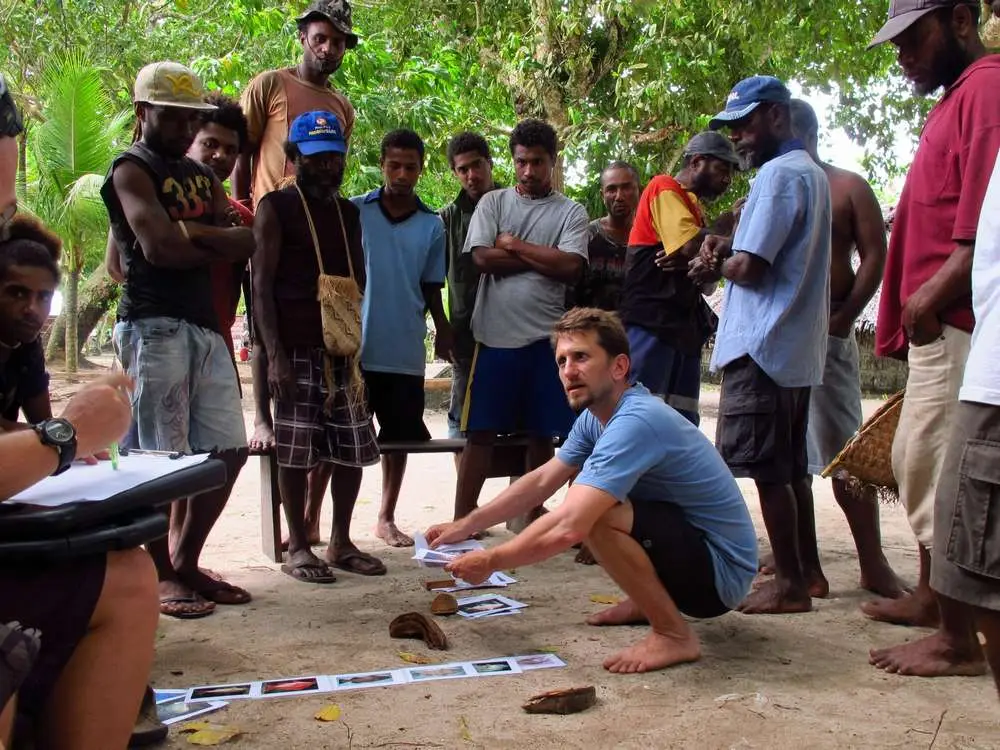
A notable example is Papua New Guinea's coral reefs, where study co-author Josh Cinner has worked with coastal communities for more than 25 years. The director of the Thriving Oceans Research Hub says that, in a quantitative analysis of almost 1,700 reefs worldwide, one site in the region stood out as an example of particularly good results. That research was published in Nature in 2016 and became a starting point for further investigation into the conditions supporting this success.
Villages in the area maintain a customary practice: they periodically close sections of their reefs to fishing, giving ecosystems time to recover before harvesting resumes. Cinner compares this practice to leaving farmland fallow. His subsequent research showed that its longevity is linked to its place in community life: strong ties between older and younger generations, shared responsibility for the reefs and cultural traditions that reward participation. In his view, success rests on extensive local experience and communities' meaningful control over decisions, management and enforcement of the rules.
In West Africa, a similar pattern appeared among some populations of western chimpanzees, which are classified as 'critically endangered.' Despite the species' widespread decline in the region, some populations continued to survive. Beyond remote and protected areas, strong populations were often found where local communities maintained traditions and social norms that discouraged hunting and supported coexistence with wildlife.
In Tasmania, the conservation of an albatross species classified as 'vulnerable' highlighted the importance of close cooperation between scientists, wildlife managers and policymakers. Joint decision-making led to new measures to protect chicks from parasites and to the expansion of conservation programs. It also established a consistent process for testing future options for managing the population. Here, success is linked to cooperation and the ability to continually adapt interventions.
In Canada's Great Bear Rainforest, First Nations communities have led efforts to protect grizzly bears. Their approach places Indigenous communities' knowledge and care at the centre of environmental governance. Alongside the examples involving reefs, chimpanzees and albatrosses, this case shows the variety of forms successful conservation can take, depending on the people and the place.
The researchers do not present a single formula for all ecosystems: they recognize that each successful case has distinctive features. They do, however, propose a shared framework for identifying and comparing the conditions that enable positive outcomes through the interaction of processes, people and place. Lin and Cinner argue that these examples are more than lucky exceptions and can offer useful lessons for other regions. The review's optimistic perspective lies in practices already being used to help nature and the communities that depend on it withstand pressures.



Comments