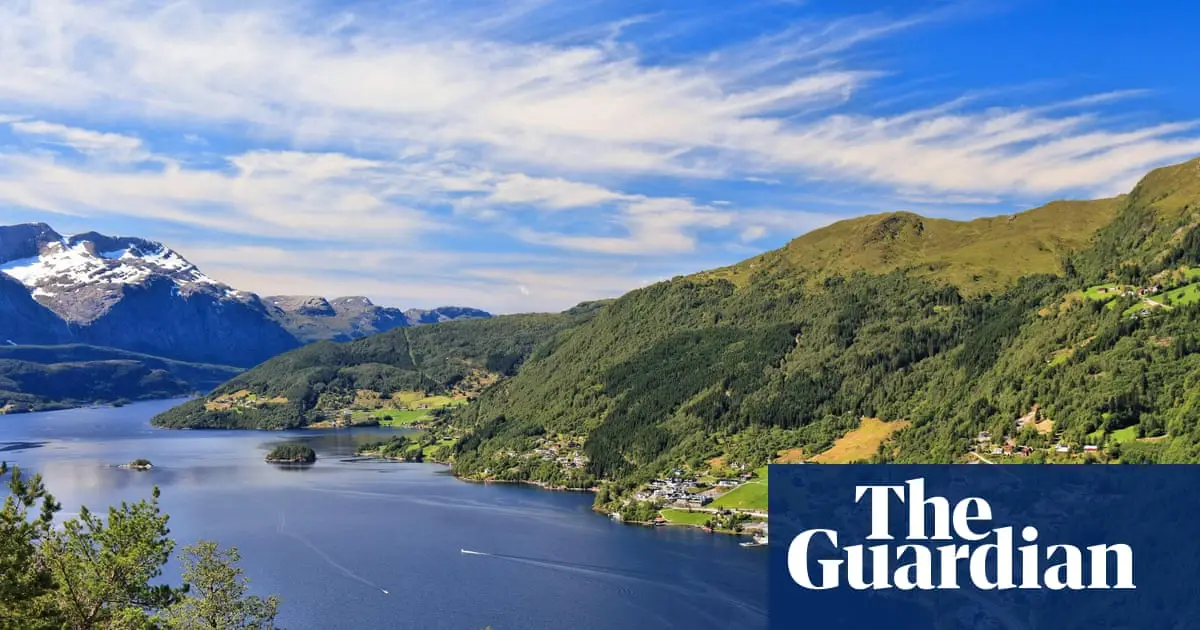
On 17 June 2026, shortly after the Oslo stock exchange closed, residents of the small western coastal community of Vevring gathered around a computer in a school and heard that Norway's Supreme Court had ruled that the permit to dump mining waste in Førde fjord was illegal. It was the end of a 17-year battle, one of the country's longest-running environmental disputes. Ingvild Fonn Asmervik, programme head at Naturvernforbundet (Friends of the Earth Norway), compared her joy to giving birth to her child, while for Anne-Line Thingnes Førsund, a third-generation fisher, it felt as though a mountain had been lifted from her shoulders.
But the relief was short-lived. Four days later, the mine applied for a new permit, and in late September Norway's Ministry of Climate and Environment approved it. As Førsund puts it, “When we heard that the pollution would continue, it was as though they had pulled the rug out from under our feet.” She and the other residents have responded to every consultation and filed every possible objection for years.
The practice at the centre of the dispute is called submarine waste disposal, known colloquially as “fjord dumping”: crushing rock and chemical waste and piping them into the sea hundreds of metres below the surface. Norway's own Institute of Marine Research warns that the method releases fine particles of toxic waste, which can accumulate in smaller marine species and disrupt wider ecosystems. Submarine waste disposal is banned throughout North America, Australia, Russia, Brazil, China and most of Europe. The few countries that still allow it include Papua New Guinea, Indonesia and Turkey.
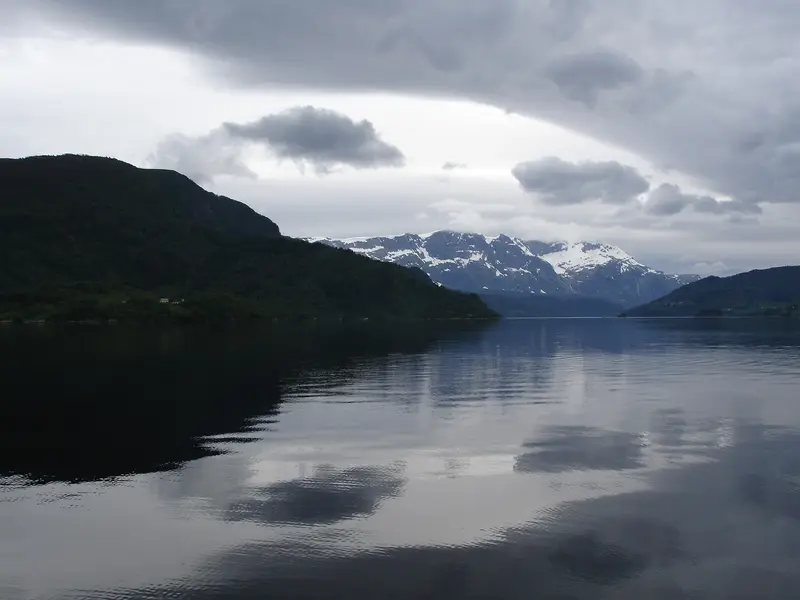
The Engebø titanium mine near Vevring was proposed by Nordic Mining in 2006, and the government granted a permit to dump waste in the fjord less than ten years later. The mine began operating in late 2024 and is funded by investors including Japan's Iwatani Corporation and the UK offices of Morgan Stanley, UBS and Goldman Sachs. Other banks, including Standard Chartered and Citigroup, explicitly prohibit financing projects that use this method. Nordic Mining did not respond to requests for comment, but said in a post that it would continue dumping waste with encouragement from Norwegian officials.
The legal dispute centred on the EU's Water Framework Directive, which allows industrial activities to pollute bodies of water only when there is an “overriding public interest”. The Supreme Court ruled that the original grounds were insufficient, but the government argues that they became stronger after the EU added titanium to its list of “critical minerals” in 2020. Mount Engebø contains one of the world's largest known deposits of rutile and, according to the ministry, Norway and Ukraine are the only countries in Europe with significant resources of this kind. Legal experts challenge this reasoning.
Tarjei Ellingsen Røsvoll, an associate professor of administrative and constitutional law at Norway's Inland University, says that a permit either exists or it does not, and that the Supreme Court's ruling is clear: the permit is illegal. He adds that the government is openly allowing a company to dump waste illegally in a fjord, an unprecedented act that damages trust and undermines fundamental structures of constitutional and administrative law.
While the new three-year permit was pending, waste dumping continued. Økokrim, Norway's central agency for economic and environmental crime, is considering whether to investigate the legality of the dumping.
Scientists have linked heavy metal pollution in some fjords to past submarine waste disposal. In the Arctic fjord Repparfjord, where a copper mine dumped waste for six years in the 1970s, researchers found haddock decades later with higher levels of lead, arsenic and chromium in their muscle tissue than in neighbouring waters. Research professor Terje van der Meeren says the waste from Engebø resembles flour and includes a chemical that breaks down into carbon disulfide, a neurotoxin. The concern is that the fine powder will spread into the rest of the fjord and affect fish reproduction.
In the wider context, a report showed that Norwegian fish farms fill fjords and coastal waters with nutrient pollution equivalent to the untreated sewage of tens of millions of people each year, while wild salmon populations are at a historic low and 155 rivers were closed to fishing at the start of the season.
Activists are now preparing for a new legal battle against the temporary permit, although dumping will probably continue until a new ruling is issued.
Førsund looks nostalgically at photographs from the first protests more than a decade ago, when her daughter was still a child. She says the fjord is bigger than people and that it has given them food, income, meaning, music, fish and birds for thousands of years. Now, she says, the fjord gives them the energy to keep fighting.


Comments