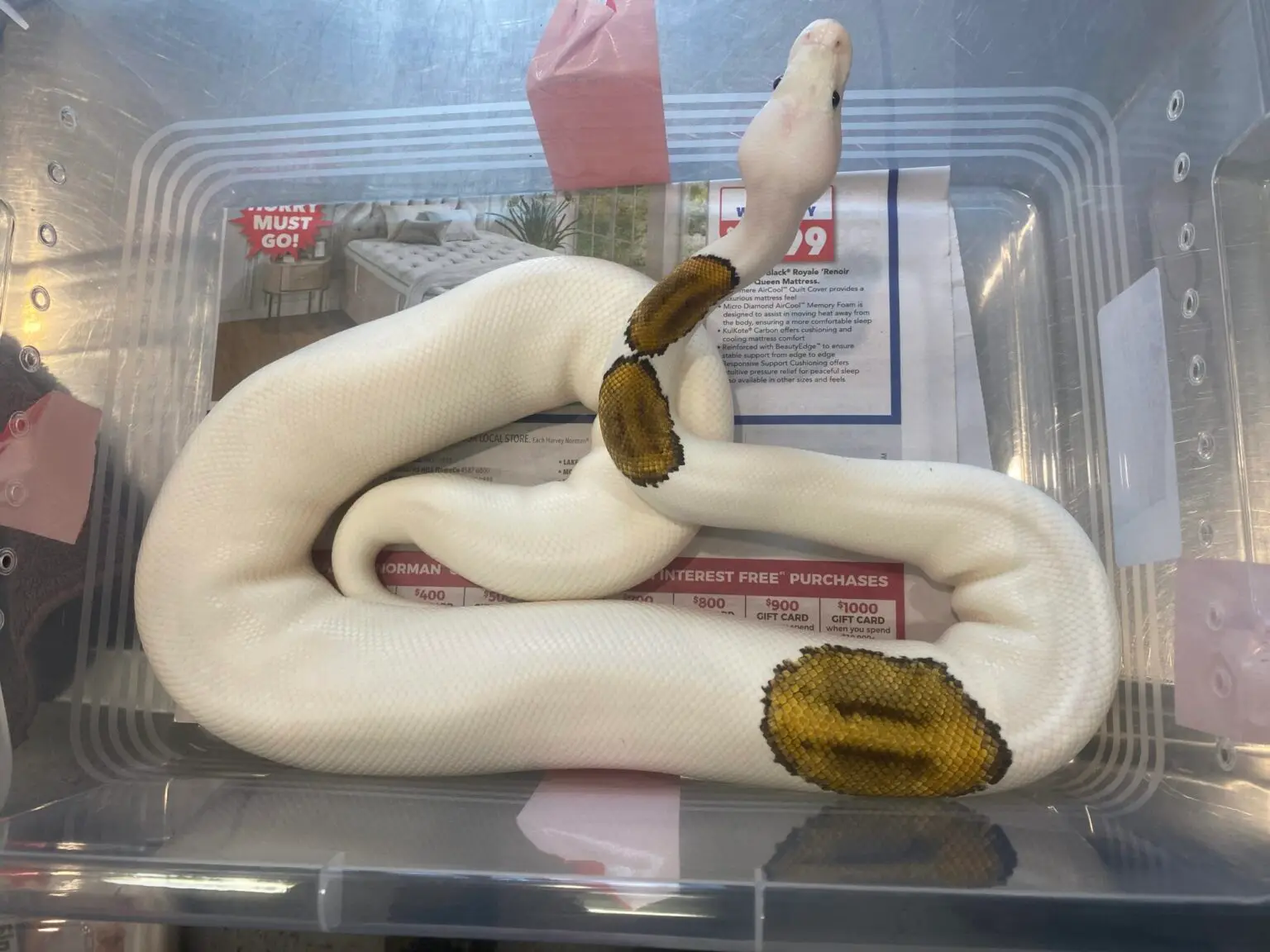
Australia carried out its first major operation against wildlife trafficking through the newly established National Environmental Protection Agency (National EPA), the country’s first independent federal environmental regulator, which began operating on July 1. On July 16, authorities seized 28 native reptiles and some exotic species, along with around A$300,000 (almost US$210,000) in cash, gold and silver bars, according to Johan Augustin’s reporting for Mongabay. The native species included Tiliqua rugosa lizards, spiny-tailed skinks (Egernia stokesii) and monitor lizards (Varanus varius). The agency says the native species were supplied to foreign nationals for illegal export. The seized animals also included strictly regulated non-native species, such as a North American snake of the genus Heterodon and a ball python (Python regius).
Dani Yannopoulos, head of the National EPA’s environmental approvals and compliance division, described the illegal trade in native wildlife as a “serious crime” and stressed that the agency works closely with Border Force and international partners to stop those seeking to exploit Australian wildlife.
Under Australia’s federal environmental legislation, exporting native animals or eggs without a permit carries prison sentences of up to 10 years and fines of up to A$364,000 (US$253,000). However, huge profits continue to attract criminal networks: native lizards sold legally in Australia for A$100 to A$400 can fetch between A$1,000 and A$20,000 on overseas black markets.
Environment and Water Minister Tanya Plibersek said wildlife trafficking generates around $30 billion annually in the East Asia and Pacific region alone, and that Australian reptiles can command prices on the international black market more than 28 times their domestic prices. Plibersek stressed that Australian wildlife is particularly lucrative for criminals and organized trafficking rings, “especially those animals that are already vulnerable or endangered”.
Between June 2025 and May 2026, authorities intercepted 113 illegal exports involving 1,250 native animals, according to the Department of Climate Change, Energy, the Environment and Water.
Phil Cassey, director of the Centre for Wildlife Crime Research, noted that Australian reptiles have always been popular in the exotic pet trade, while imports of non-native species are also rising, including mammals and, more recently, insects and invertebrates such as spiders, scorpions, cockroaches and ants.
The case is the first major wildlife crime investigation carried out by the new National EPA, which was established as Australia’s first independent federal environmental regulator.

Comments