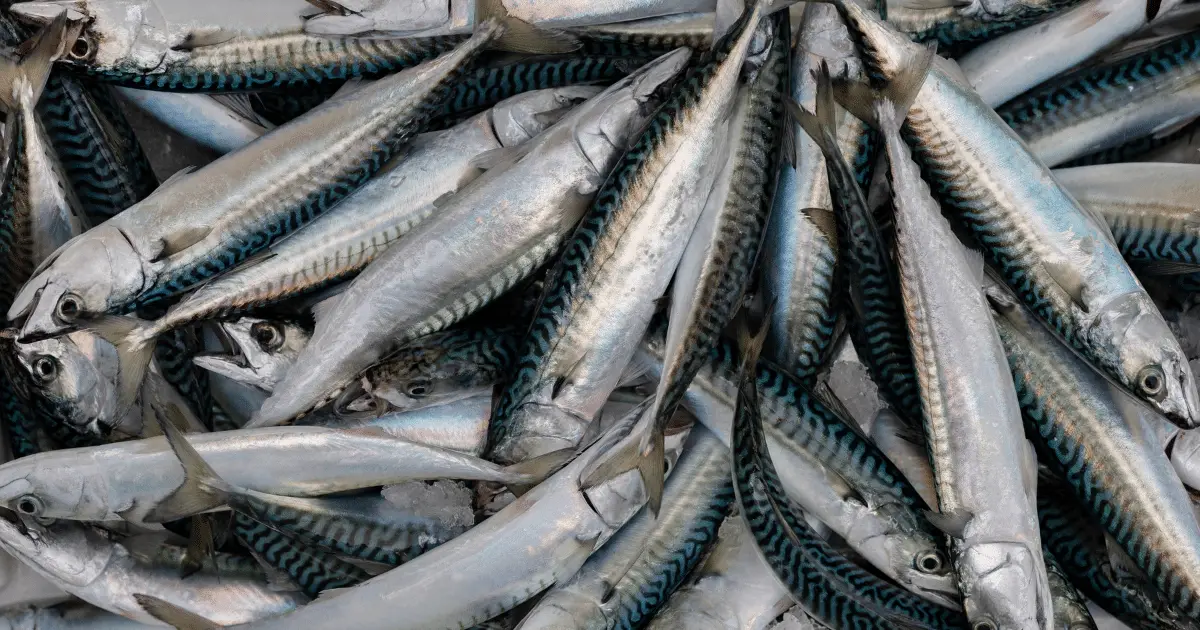
Major seafood trading companies and retailers are calling on countries that fish for mackerel in the North Atlantic to curb overfishing and agree on sustainable management of stocks. The North Atlantic Pelagic Advocacy Group (NAPA), a coalition representing 58 businesses, warns that the recent increase in scientifically recommended catches is no reason for complacency. The pressure is already accompanied by changes in some supermarkets' sourcing, adding commercial weight to the call for an agreement.
The annual report by the International Council for the Exploration of the Sea (ICES), the intergovernmental scientific organization whose data are used to set catch limits, records upward trends in the mackerel population. Based on these trends, the estimate for maximum sustainable yield could exceed 350,000 tonnes, more than twice last year's recommendation. However, NAPA stresses that stocks remain vulnerable: even if the new recommendation is followed, there is a 33% chance they will fall below safe levels within a year.
NAPA is calling for a joint solution from Norway, Iceland, the Faroe Islands, Greenland, the United Kingdom, the European Union and Russia. According to the article, economic and political disagreements over quota allocation have sustained overfishing, while stocks have declined by more than 10 million tonnes since 2014. During 2020–2024, the total catch limits agreed by the parties involved were, on average, 39% higher than scientific advice.

The gap between recommendations and actual fishing explains why the higher scientific estimate does not necessarily mean larger catches. The article says that complying with ICES advice for 2027 would, in theory, mean an 11% reduction compared with the actual quantity caught. NAPA warns that without an effective management regime, stocks remain at risk of falling below critical biological limits.
Retailers' responses are already having practical consequences for an industry worth one billion dollars, according to the article. Waitrose announced that it would withdraw mackerel from its stores in Britain in response to overfishing, while Lidl switched to Chilean jack mackerel. NAPA executive chair Aoife Martin explains that sourcing decisions depend both on sustainability and on the availability of suitable alternatives. She also warns that years of poor quota management place a disproportionate burden on businesses operating on land.
The new ICES recommendations also cover two other North Atlantic species: the recommended catch for herring rose by 10%, and for blue whiting by 25%. NAPA, however, highlights worrying trends in the recruitment of new fish into the herring population. For blue whiting, it says the completion of the Fishery Improvement Project in October could prevent retailers from taking advantage of the higher permitted catch.
Climate change adds to the difficulties of management. The Marine Stewardship Council (MSC) and the Pelagic Advisory Council point out that it is accelerating shifts in the geographical distribution of fish, making existing management models outdated. MSC is calling for plans that adapt to changes in ecosystems and warns that a potential collapse of mackerel, herring and blue whiting stocks would cause major damage to the region's marine ecosystems. It has suspended sustainability certification for all northeast Atlantic mackerel stocks since March 2019.
The Pelagic Advisory Council is calling on the European Commission to replace annual political negotiations between states with a long-term, binding management plan. In the United Kingdom, where mackerel is the species caught in the largest quantity, commercial and recreational fishers from Cornwall to Northumberland responded online to the announcement of higher recommendations, describing a major decline over decades. These local accounts record their experience at sea, while the scientific report assesses stocks as a whole.
The article says a meeting of six coastal states is imminent, followed in November by a wider summit involving Russia. Businesses are seeking a binding agreement on quota allocation from these negotiations, as failure could lead to further withdrawals of mackerel from European supermarkets. Martin stresses that the latest assessment should not be seen as permission to continue excessive fishing pressure and calls on all parties to follow scientific advice.




Comments