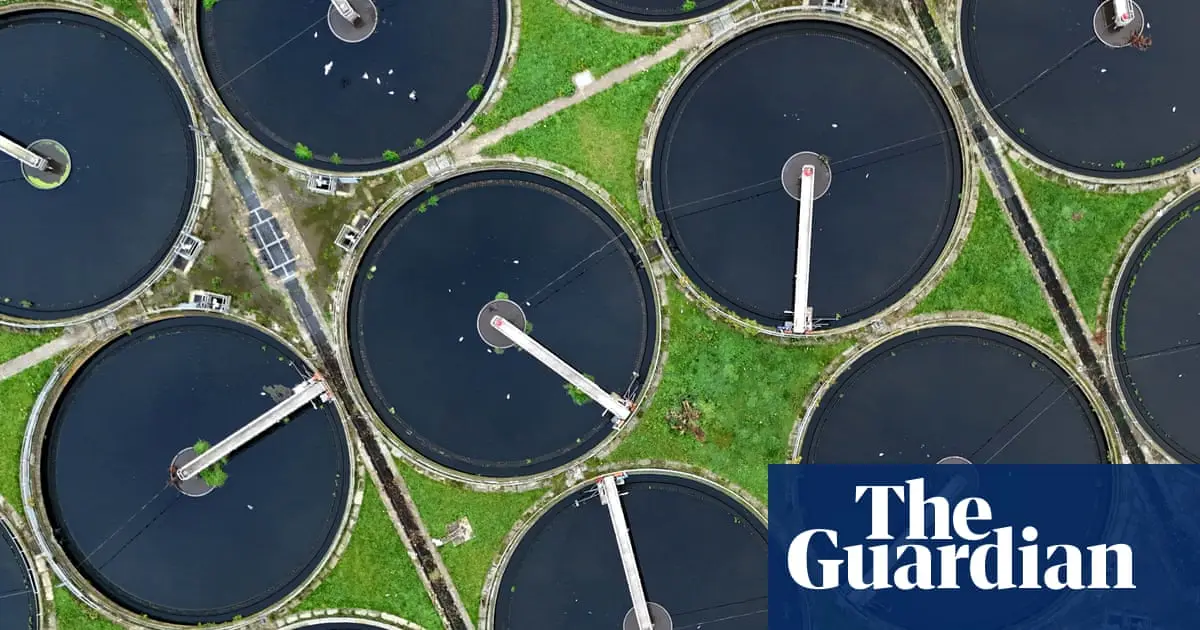
Industrial and commercial wastewater accepted at sewage treatment plants generated more than £340 million in revenue for UK water companies last year. According to an investigation by Watershed Investigations, the Guardian and River Action, 608 billion litres of industrial waste enter the system annually. Experts who spoke to the investigators warn that most facilities are not designed to remove many of the chemicals in these loads, allowing pollutants to enter the environment.
The companies are legally required to accept industrial wastewater and issue permits known as “trade-effluent consents”, although they can reject applications. According to the investigation, the companies themselves issue the permits and monitor compliance, without direct involvement from environmental regulators in this process. Because there is no central register, the three organisations compiled a database of 26,000 permits, providing the first comprehensive national picture of the system. Waste senders include power stations, pharmaceutical facilities, food factories, hospitals, slaughterhouses and waste management facilities.
Most plants provide only biological treatment, which experts say is not designed to remove industrial chemicals such as flame retardants, PFAS, solvents and pharmaceuticals. Some permits in the database also list cyanides, chromium, cadmium and mercury. Pollutants remaining after treatment are discharged with the treated sewage into rivers, lakes and seas, while those retained in sludge can end up on farmland where it is used as fertiliser. The additional waste also puts pressure on sewer networks, contributing to the overloading that causes untreated sewage overflows.
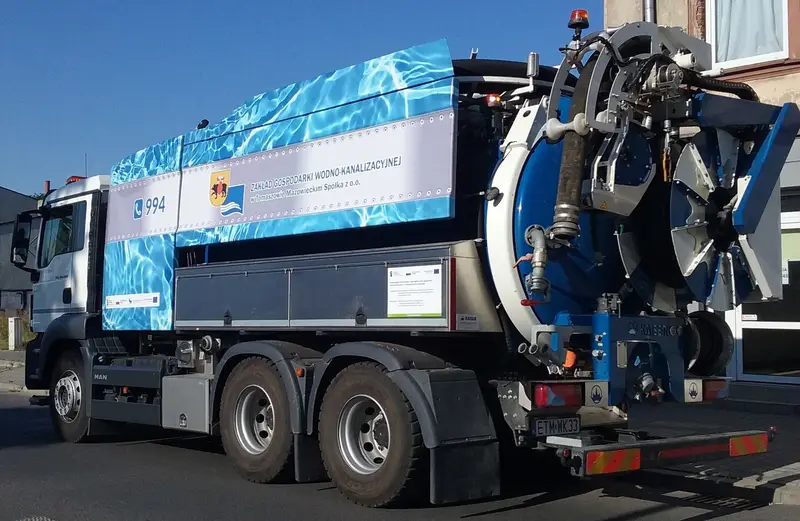
United Utilities recorded the highest revenue from this activity, at £61.6 million, followed by Yorkshire Water at £48.8 million. The comparison has limitations: both companies included waste transported by tankers, while others excluded it, and Dŵr Cymru Welsh Water, Scottish Water and Wessex Water said they handled commercial tanker loads through separate companies within their groups. Thames Water had the largest annual permitted volume of industrial wastewater, at 113 billion litres, compared with 105 billion for United Utilities and 79 billion for Severn Trent Water. Revenue from this activity has risen sharply over the past five years, with a 62% increase at Anglian Water.
An anonymous industry expert argued that companies had a financial incentive to accept more toxic material than they should, describing the permitting regime as outdated and inadequate. According to the expert, the Environment Agency does not know exactly how much of this waste enters the facilities each year. An agency employee described landfill leachate as particularly concerning because of the harmful mixture of chemicals it can contain. Both identified United Utilities' Davyhulme plant in Manchester and Wessex Water's Avonmouth plant as major recipients of tanker loads.
Checks on arrival may be limited to sampling and basic pH measurements, which do not detect most pollutants, according to the Environment Agency employee. As the employee explained, by the time a hazardous substance is identified, the load may already have entered the system. The employee argued that companies should request enough information from waste producers to establish whether they can treat it properly. The industry expert proposed creating a specialist wastewater treatment sector instead of relying on dilution and dispersal.
Amy Fairman, head of campaigns at River Action, called for polluters to be held accountable and to cover the costs themselves, as well as for the public to be informed about what the waste contains and where the pollutants ultimately end up. She urged the government to address the findings through its promised clean water bill. A spokesperson for the relevant ministry said companies should not profit from pollution and that the reforms included wastewater disposal. The Environment Agency acknowledged that the framework was created more than 30 years ago, before many current concerns about PFAS were fully understood.
Industry association Water UK responded that accepting industrial waste was a legal obligation and that Ofwat set the charges. It also said the Environment Agency set permit conditions, arguing that these did not account for the system's inability to treat certain toxic substances. The association called for bans on such substances and for manufacturers to bear the cost of removing them from the environment. United Utilities said it applied strict permitting and monitoring procedures and accepted tanker loads only at specifically licensed facilities.
NI Water said it referred applications involving “priority substances” to the Northern Ireland Environment Agency and had sampling teams to monitor compliance. Scottish Water said it assessed sewerage and treatment capacity, protection of infrastructure and staff, and compliance with environmental standards. The investigation clarifies that businesses can also discharge industrial wastewater directly into rivers and seas, but this route requires permits from environmental regulators.



Comments