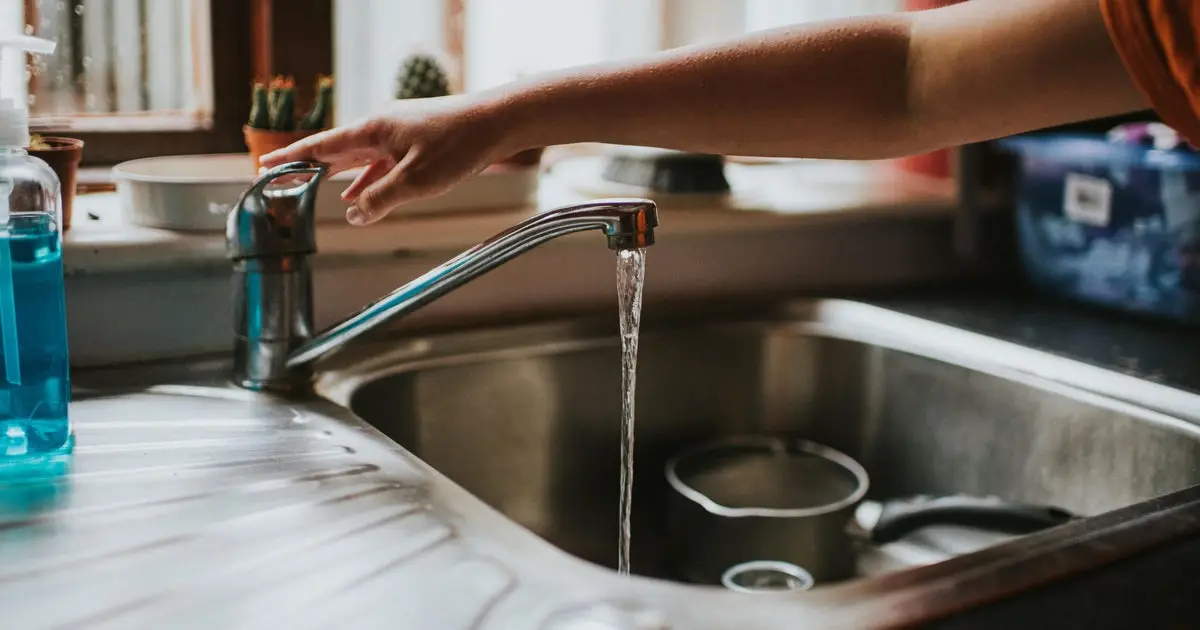
Water bills in the United States have risen by 62% over a decade, according to a new study by the nonprofit organization Food and Water Watch. The research, which examined 500 of the largest community water systems, documents how the cost of water at home is putting an increasing burden on households as infrastructure ages and climate change puts pressure on networks.
The average annual bill in the systems studied reached $531 last year. This amount covers only drinking water, excluding sewer or stormwater fees, which are handled by separate services. Food and Water Watch calculated the charges for 60,000 gallons of water, the amount a household is estimated to use in a year for drinking, showering, laundry and similar needs.
The price increases are linked to the large investments water companies are making in aging infrastructure and in adapting systems to the effects of climate change, the organization explains. At the same time, federal support for water infrastructure has declined.
According to the American Society of Civil Engineers' 2025 Infrastructure Report Card, since fiscal year 2022 Congress has approved at least $1 billion less than the planned amount for the federal fund that supports water infrastructure projects in the states. The needs, however, are enormous.
A 2023 survey by the Environmental Protection Agency (EPA) estimates that drinking water systems across the country will need $625 billion in investment over the next two years to carry out upgrades and meet health requirements.
There are large differences between areas. In Hempstead, New York, the public water system charged an average of $133 a year, the lowest amount among the systems examined. At the other end is San Jose, California, where the private company San Jose Water charged residents an average of $1,416 in 2025, an increase of 163% compared with a decade earlier.
At the state level, Idaho had the lowest bills, with its three largest systems charging an average of $286 in 2025. By contrast, West Virginia, one of the states with the highest poverty rates in the country, had the highest bills: its two largest systems, owned by American Water, charged an average of $1,383 a year.
The study also finds that costs are higher in counties where water systems are run by for-profit private companies. These companies charged an average of $823 in 2025, which was $329 more than public systems.
The picture that emerges is that water is becoming more expensive at a time when many households are already under pressure from inflation in food and other essentials. Bill increases are uneven, and costs are greater in areas under private management, raising questions about water affordability.



Comments