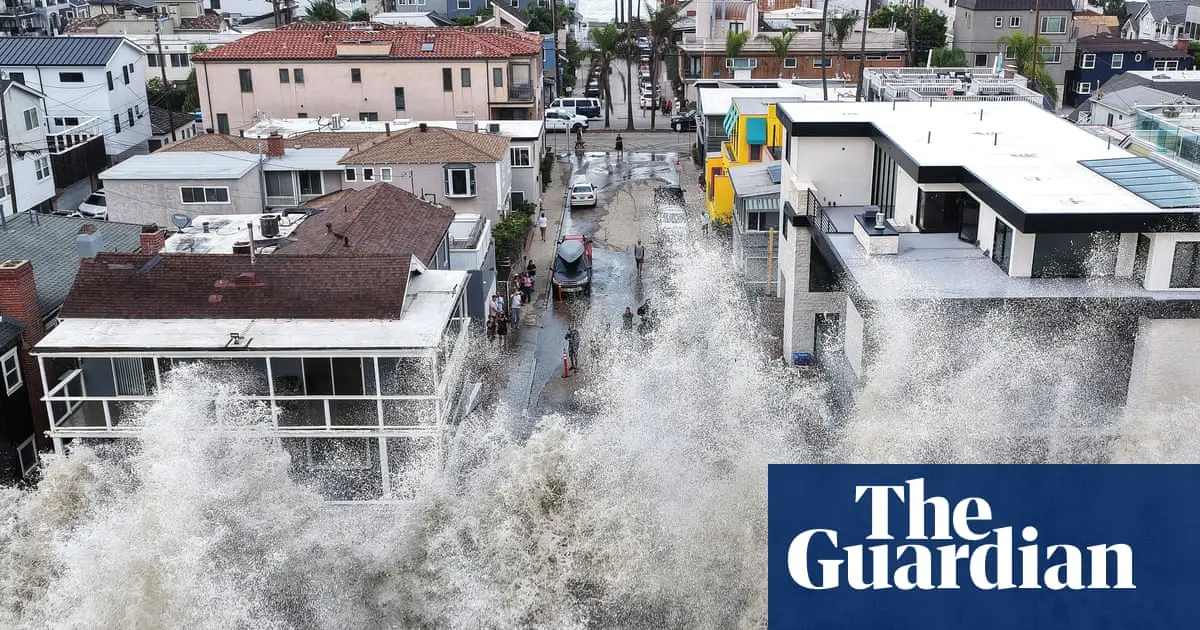
California is strengthening infrastructure and mobilizing emergency services ahead of a winter with an increased risk of flooding, landslides and powerful storms, while the threat of wildfires and high temperatures persists. El Niño continues to strengthen and, according to scientists and emergency management officials, recent coastal flooding is an early indication of the difficulties that may follow. Governor Gavin Newsom declared a state of emergency on September 21 to mobilize resources and speed up preparations.
According to the latest forecast from the US agency NOAA, models put the probability of this El Niño developing into a very strong event at more than 90%, with about a 75% chance of reaching historic strength. These forecasts describe probabilities and do not provide certainty about how the phenomenon will ultimately develop. In California, authorities are preparing for potentially simultaneous storms, landslides and destructively high tides, with different areas facing different combinations of risks.
The effects along the coast have already been felt: water covered intersections and beaches were eroded in various parts of the state. The National Weather Service issued two coastal flood warnings for the San Francisco Bay Area in September, having never issued such a warning for that month before this year. According to state climatologist Michael Anderson, El Niño will add one foot to sea levels in California, on top of the 8-to-12-inch rise attributed to climate change over the past century.
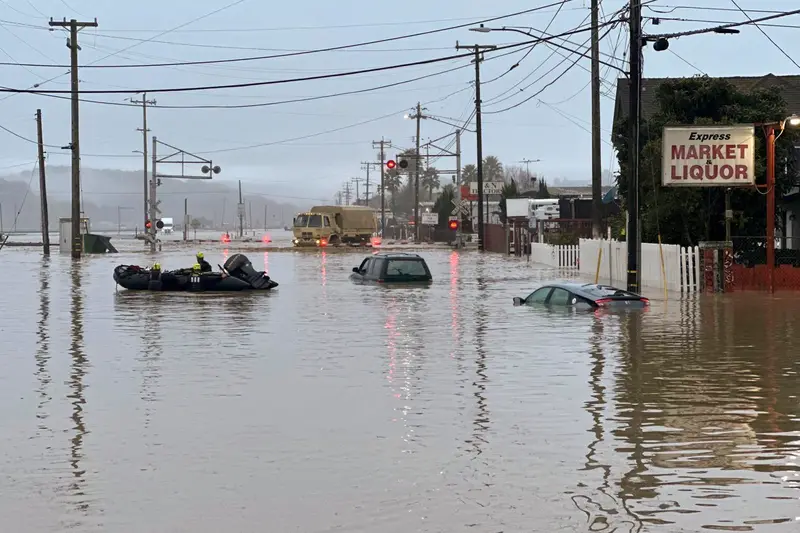
Recently burned areas are a particular concern, as heavy rain increases the risk of soil and debris being swept away. These include hillsides in Big Sur that burned in the summer and Los Angeles neighborhoods destroyed by the 2025 fires. Officials say watersheds and slopes usually need five years to recover enough to withstand powerful storms. The coming rainfall will therefore hit ground that remains vulnerable in some areas.
Local measures combine repairs to recent damage with preparations for new events. In Long Beach, large sandbags were placed along the coastal seawall, reinforcing places where powerful waves had breached it. In Orange County, about 528,000 cubic meters of sand are being moved along the shoreline, while in San Diego crews are visiting small businesses in flood-risk zones to help them prepare their buildings. Meanwhile, authorities at all levels are working to protect critical infrastructure, position response resources in advance and inform residents.
Los Angeles County's public works director, Mark Pestrella, said flood protection systems are ready and have been optimized. However, they are designed to withstand a so-called hundred-year event, meaning an event with a 1% chance of occurring in any given year. El Niño could increase that probability, the report says, highlighting the limits of protection even when existing facilities function as intended.
At the same time, fire season has not ended, and heat and fire risks are expected to persist through November. Los Angeles emergency management chief Kevin McGowan urged residents to prepare for the full range of threats. His warning came ahead of a particularly hot October weekend, when several temperature records were broken in Southern California. Winter preparations are thus taking place while agencies continue to deal with heat-related risks.
Disturbances in the Pacific have already affected other areas too. Hawaii is recovering from heavy rain and winds that flooded roads and buildings, caused landslides and toppled trees, while large waves damaged homes and beaches in Southern California. The report also says the global effects of a strong El Niño could increase food insecurity and food prices. These risks add to conditions already worsened by human-caused climate change.
Preparations are taking place with reduced federal capacity, according to experts who link this weakening to cuts by the Trump administration. Budget reductions and mass layoffs have reduced staff and resources at FEMA, which coordinates the national disaster response, and NOAA. Monica Medina, a former senior NOAA official under the Obama administration, points out that these agencies were already under pressure because of more frequent extreme weather events. She says the gaps are not yet fully visible but will become clearer as needs increase, with potential consequences for protecting human lives.
Comments