On a Saturday morning in late April, dozens of randomly selected citizens gather at the Brussels regional parliament to discuss waste management. Joining them are 15 members of parliament. It is the third of five meetings of a citizens’ assembly prompted by a petition with 1,143 signatures — “Let’s make Brussels a clean city!” — and forms part of an institution that some hope will reinvigorate democracy.
Belgium, despite its deep political dysfunction — it took more than 600 days to form a government in Brussels after the 2024 elections — is among the first countries to have made citizens’ assemblies a permanent institution. In Ostbelgien, the country’s German-speaking region, parliament has included a “citizens’ council” since 2019. In Brussels, parliament regularly hosts assemblies of 45 citizens and 15 parliamentarians who formulate recommendations on issues such as homelessness and crisis management.
The idea has historical roots: Athenians used citizens selected by lot to make decisions, and the Republic of Venice survived for more than a thousand years partly thanks to a lottery system for choosing leaders. Only in the late 18th century, after the American and French Revolutions, did elections begin to be seen as the ideal way to govern — a choice that, according to Belgian intellectual David Van Reybrouck, allowed new elites to govern among like-minded peers. Van Reybrouck, author of “Against Elections” (2013), became the best-known advocate of citizens’ assemblies after the deadlock in Belgium’s 2010–2011 negotiations, when the country went without a government for 589 days. G1000, a gathering of 1,000 randomly selected citizens that he organized, served mainly as a symbol of frustration, but also of a willingness to participate. “The right to vote is not enough,” he says, pointing out that dissatisfaction with politics has never been greater.
The movement drew on earlier experiments: in 2004, British Columbia hosted the first modern citizens’ assembly on electoral reform, and Ireland used assemblies to change its constitution — first on same-sex marriage in 2015 and then on abortion in 2018 — without a national outcry or violent demonstrations. These examples convinced many that assemblies can break political deadlocks on difficult issues.
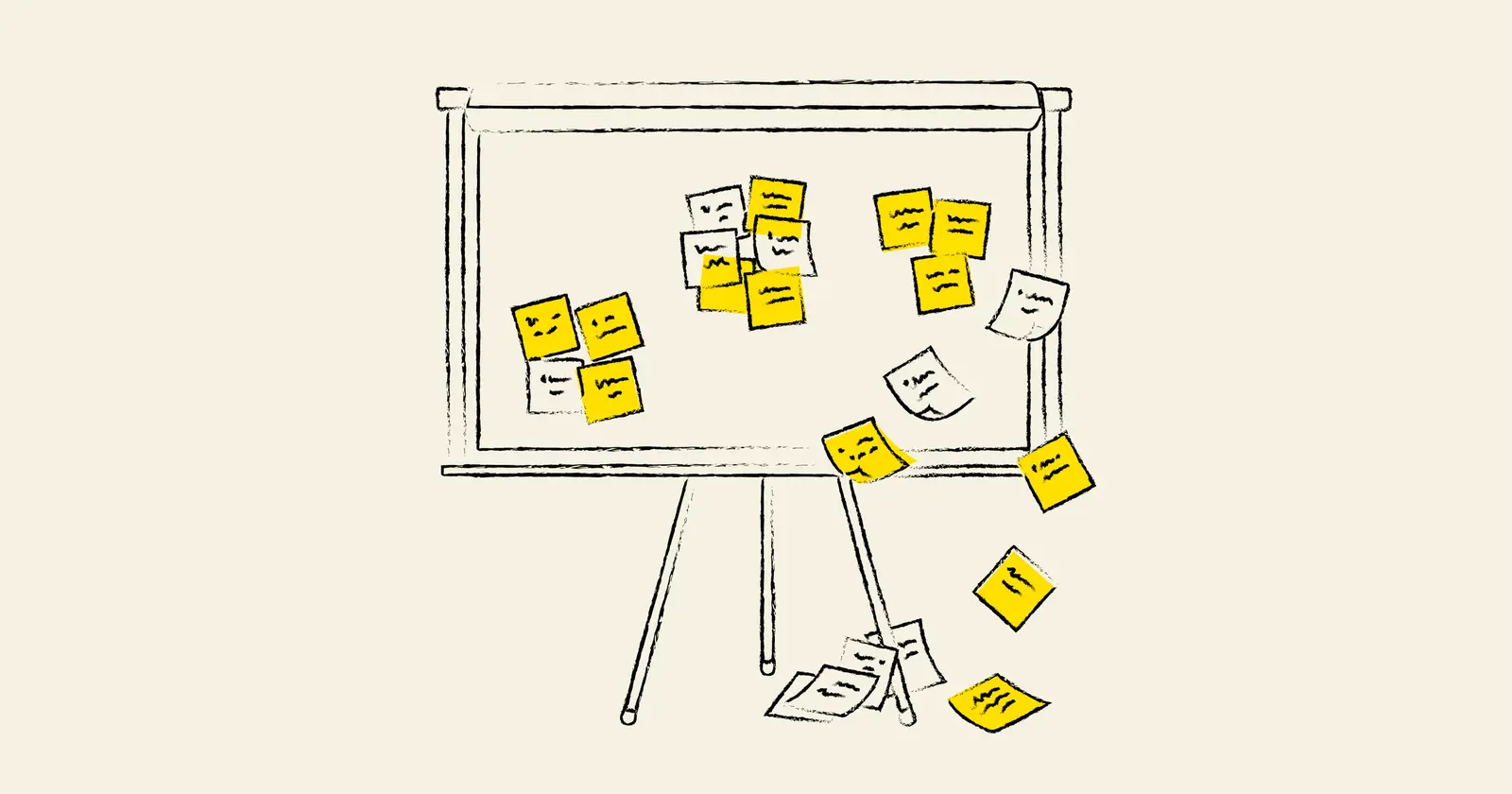
But observing the Brussels assembly also revealed the model’s weaknesses. The process was decidedly analog — ideas were written on Post-it notes and grouped on boards, and participants had to narrow their proposals down to just five. Experts often rejected ideas, reminding participants that they fell outside the regional government’s authority. “There is no magic formula, otherwise it would already be in use,” one expert said. The fatigue was palpable: “We’d be better off outside,” one participant grumbled the following morning.
The most revealing moment came during the final vote in May. Citizens voted first, but only the parliamentarians’ votes were binding. When a parliamentarian introduced a last-minute amendment that undermined a proposal to increase the number of street cleaners, citizens protested strongly.
The amendment passed with a majority of parliamentarians supporting it, despite the citizens’ opposition. “You’re treating us like idiots,” one woman told the parliamentarians, to applause. Another participant stopped voting halfway through the process: “Clearly, it made no difference.”
France’s experience offers a cautionary example, but also encouraging signs. The national citizens’ assembly on climate convened after the Yellow Vest protests in 2019 produced recommendations that were subsequently altered by lobbyists and politicians. Many participants felt “betrayed” and published a book titled “The Great Disappointment.” However, 73% of participants said they still believed citizens’ assemblies could “improve democratic life,” and more than a dozen former participants ran for office or moved into climate-related careers.
Marjan Ehsassi, executive director of FIDE North America, argues that assembly advocates need to discuss more honestly what is going wrong. “I don’t think we have enough honest conversations about what isn’t working,” she says. She believes success is measured not only by the policies adopted, but also by whether participants feel more engaged and whether a sense of community is strengthened. But what emerged in Brussels is that these outcomes are not guaranteed, especially when citizens believe their contribution does not lead to change.
Despite her disappointment, the same woman who had spoken out in parliament said she would happily take part in another assembly: “Of course. I like to have my say.”
The Brussels experiment shows that citizens’ assemblies reveal both the power and the limits of democratic participation. As academics, the media and the public follow these processes more closely, the question remains: can these experiments truly bridge the gap between citizens and power, or do they simply make it more visible?



Comments