
The Future First New York pilot program run by GiveDirectly and Coinbase gave $12,000 to 160 young adults aged 18 to 30 in Harlem and the South Bronx, including an $8,000 lump sum — one of the largest single cash payments in a U.S. program to date. The money was delivered in USDC, a stablecoin pegged 1:1 to the dollar, through the Coinbase platform and the Base network.
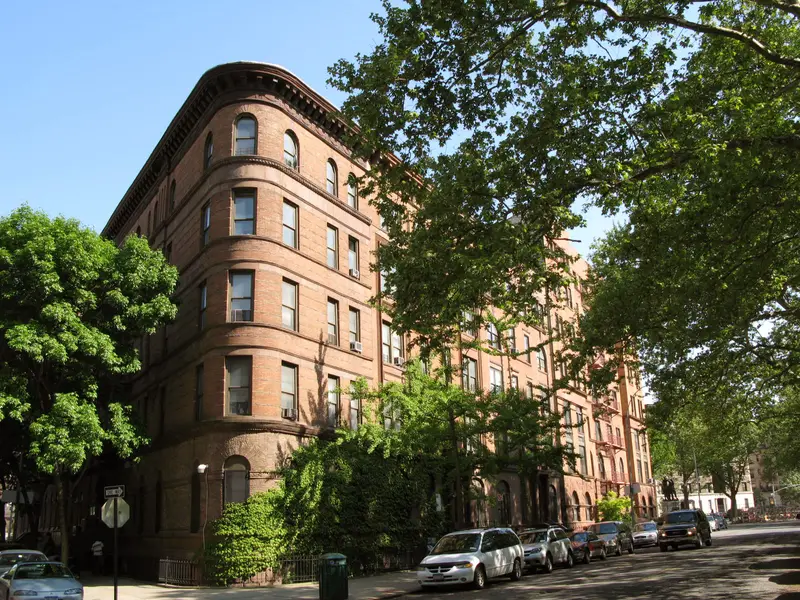
The area, around New York's 15th congressional district, is consistently the poorest in the country: nearly a third of residents live below the poverty line, more than double the state and national averages, while gentrification is pushing rents up. Inflation in the New York metropolitan area reached 4.1% over the summer, above the national average of 3.5%.
According to the report, the organizers wanted to test two questions: whether $12,000 helps young adults build financial stability, and whether blockchain can deliver aid quickly and securely. Participants enrolled through youth mentoring organizations they already trusted, avoiding the extensive identity verification process an open call would require, while partners helped build safeguards.
On delivery, 100% of payments were completed successfully — totaling more than $2 million — and fees were below 1% of transfers thanks to the Base layer-2 network. Of the recipients, 89% said they felt secure receiving money this way. Many were skeptical at first: “I wasn't involved in cryptocurrency before I was selected, but now I know how to use Coinbase and I have its debit card,” one participant said in a focus group.
The evaluation, using surveys before and after the program and focus groups, is small in scale, and the organizers view it as indicative rather than definitive. The cash improved financial well-being, increased savings and reduced difficulties paying rent. Participants covered immediate needs — overdue rent, bills, food, mobile phones — and invested in the future: small businesses, such as a fragrance line and a restaurant with a social mission, as well as certifications in beauty, dermatology and business administration. Of the participants, 39% used some of the money to help their families.
One finding was surprising: fewer recipients felt confident about their goals and their future at the end of the pilot. Researchers note that this may be due to factors unrelated to the money, such as rising housing costs or a worsening job market. It is also possible that the cash made people more aware of their limited scope to change their circumstances, even when their finances improved in numerical terms. The survey took place a few weeks after the final payment, a particular moment when participants were considering how they would get by without the installments.
In the focus groups, one participant described “an overwhelming sense of calm” even after being laid off, which allowed him to focus on building rather than simply surviving. Another said financial stability “is something you can't really control, especially living in New York, because it's expensive here… anything can happen.”
Participants asked for the money to remain unconditional, but with optional access to financial guidance, education on taxes and credit, and information about security and long-term cryptocurrency investments. They were also clear about the scale: $12,000 over six months was a good start, but lasting independence in an expensive city like New York probably requires $24,000 or more over 12 to 24 months, in their estimation.
The pilot program showed that cash can help young adults build financial stability by meeting immediate needs and investing in their future. The next question, as GiveDirectly and Coinbase frame it, is whether and how their long-term trajectory can change — whether combining the money with optional guidance, or providing a larger transfer over a longer period, can make the benefits permanent. Policymakers are already experimenting with “baby bonds” and federal savings accounts for children, and these indicative findings could guide further research.



Comments