Leslie Gomez Rivera avoided her high school cafeteria in Brooklyn for three reasons: she did not like the food, the space was chaotic and there was a stigma attached to school lunch. She preferred the library, where she could talk with friends — even if that meant going without lunch altogether on some days.
But when she learned about Youth Food Advocates (YFA), an initiative that trains New York City students to research issues around school food and advocate for changes, Rivera, then 16, realized she could do something to improve the situation. With YFA's help, she developed a questionnaire and distributed it at Midwood High School, wanting to find out what her fellow students wanted on the menu, why they avoided the cafeteria and what would bring them back.
About 100 of the school's roughly 4,000 students responded. Their answers showed that the problem was not simply “bad food”: they highlighted popular items such as popcorn chicken, sauces, fruit and salads, as well as concerns about quality, limited options and a desire for more foods from their families' cultures. At the time, New York City had already made lunch free for all public school students, following years of campaigning that also involved YFA students — but free food did not automatically mean food they wanted to eat, or a cafeteria where they wanted to spend their break.
Rivera presented her findings to the cafeteria manager and the school principal. The manager was surprised that a student had shown up with organized feedback, but she was receptive. “At the end of the day, you're the ones eating this,” she told her. “I'd love to hear what you think.” During that conversation, the manager mentioned that the number of students coming to the cafeteria had plummeted after the pandemic. Rivera discussed this with the student leadership, which began announcing that the redesigned cafeteria was open again and promoting the menu. The space returned to full use — something Community Food Advocates (CFA), the organization that runs YFA, credits to Rivera.
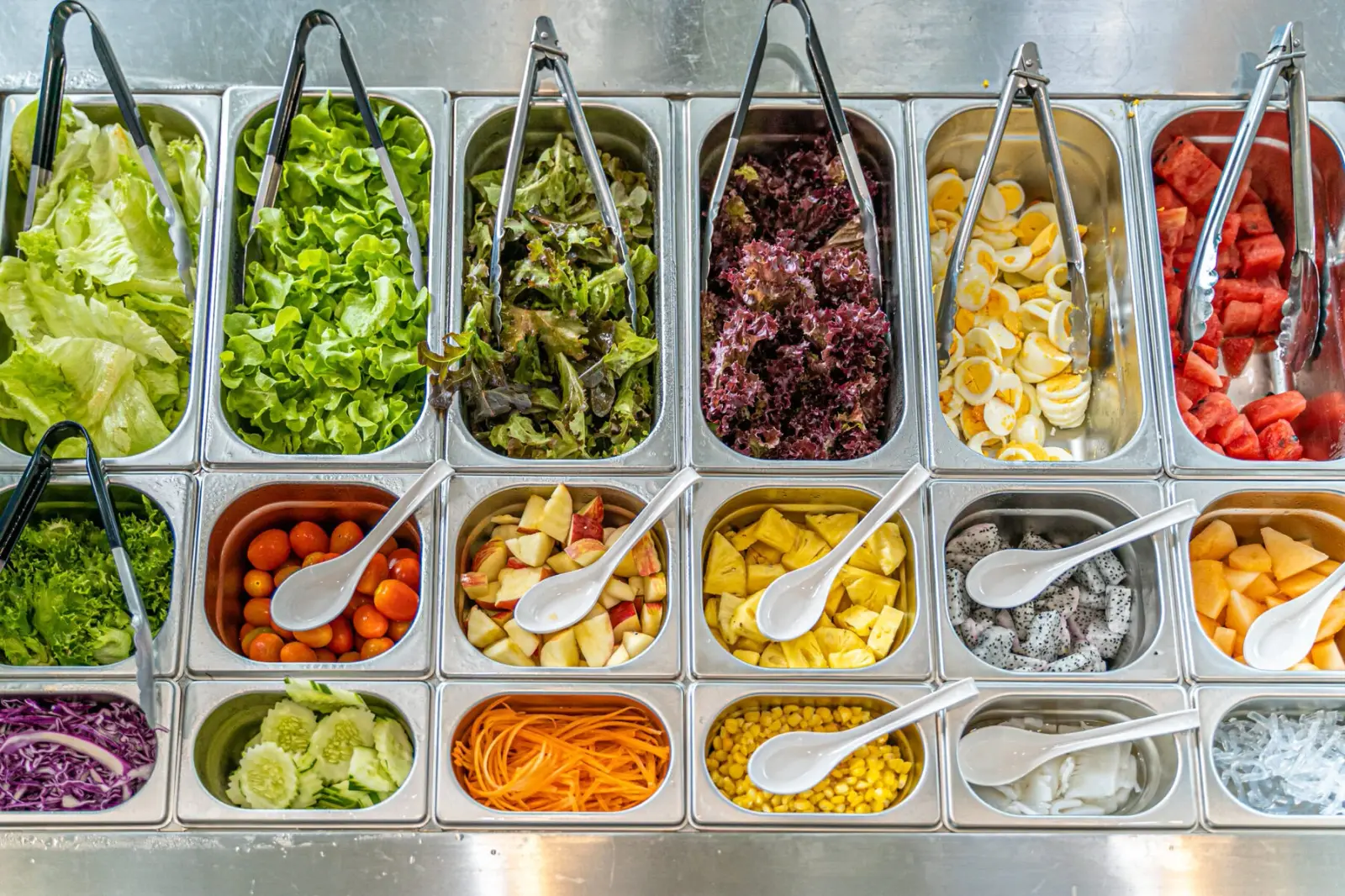
“That was one of the turning points when I realized that if you want it to happen, you can do it yourself,” Rivera says. YFA students also helped develop a guide for schools redesigning their cafeterias, with recommendations such as deli-style stations that display the food better, offer more choices and shorten lines by replacing the traditional single-line system. Another focus was on newer, more comfortable seating that makes the space more welcoming and social.
By December 2025, more than 200 cafeterias had been renovated. CFA says lunch participation increased by 35% at redesigned high schools, based on an analysis of city data. Pamela Koch, director of the Laurie M. Tisch Center for Food, Education & Policy at Teachers College, Columbia University, says students are “in the best position” to provide feedback because “they eat the food every day.”
But the information also needs to reach the adults who can take action. Wendy Gosliner, a researcher at the University of California's Nutrition Policy Institute, describes student participation as “a bridge to food services.” She explains that cafeteria staff work within budgets, federal rules and other constraints, so the aim is “not to demonize food services, but to work with them.” Part of this work, Koch says, is figuring out whether a problem can be solved by cafeteria staff, city officials or at the federal level.
This kind of student advocacy can also produce something less visible than a revised menu. Koch, who worked on the Lunch 4 Learning campaign for universal free school lunch in all New York City public schools, has watched young people testify at City Hall and describes it as “incredibly moving.” “They have a voice in shaping policies that will affect not only their own lives, but also the lives of all other students now and in the future,” she says.
Iyeshima Harris-Ouedraogo remembers how empowering an experience like this can be. As a teenager in the Lunch 4 Learning campaign, she testified at City Hall. After one hearing, her group met then-mayor Bill de Blasio, who told the students he supported universal meals. “I thought it was amazing,” she says. The meeting made government seem more accessible.
Universal free school meals across the city followed in 2017. Years later, Harris-Ouedraogo — now executive director of Green Guerillas, a community gardening organization — says the relationships she built through student advocacy still shape her work: she sometimes works with public officials she first met while organizing as a young person — a familiarity that can last for years and across campaigns.
Rivera also later worked at Green Guerillas, teaching civic engagement to community gardeners, and has testified at a city budget hearing. After she left Midwood, her younger siblings attended the same school and used the upgraded cafeteria — they found lunch more enjoyable. Now 22, Rivera has a simple message for high school students: “We usually think no one will listen to us. But just because you're young doesn't automatically mean you don't have ideas or that they aren't valid.”


Comments