Wildlife populations monitored worldwide declined by an average of 73% between 1970 and 2022, according to the new “Living Planet Report 2026” by WWF and the Zoological Society of London. The Living Planet Index is based on nearly 35,803 population trends and 5,790 vertebrate species, including amphibians, birds, fish, mammals and reptiles. The researchers clarify that this does not mean there are 73% fewer wild animals overall, but that the relative abundance of the species being monitored declined on average; the annual decline was around 2.5%.
The report ranks habitat loss and degradation as the most frequently reported threat to wildlife populations, followed by overexploitation, climate change, pollution, invasive species and disease. These threats are fuelled by broader systemic failures in food, energy and financial systems, the report says.
The largest declines are recorded in Latin America and the Caribbean, Africa and Asia-Pacific. In Europe and North America, the impacts on nature had already occurred before the baseline year of 1970, which explains why the downward trend in these regions is smaller.
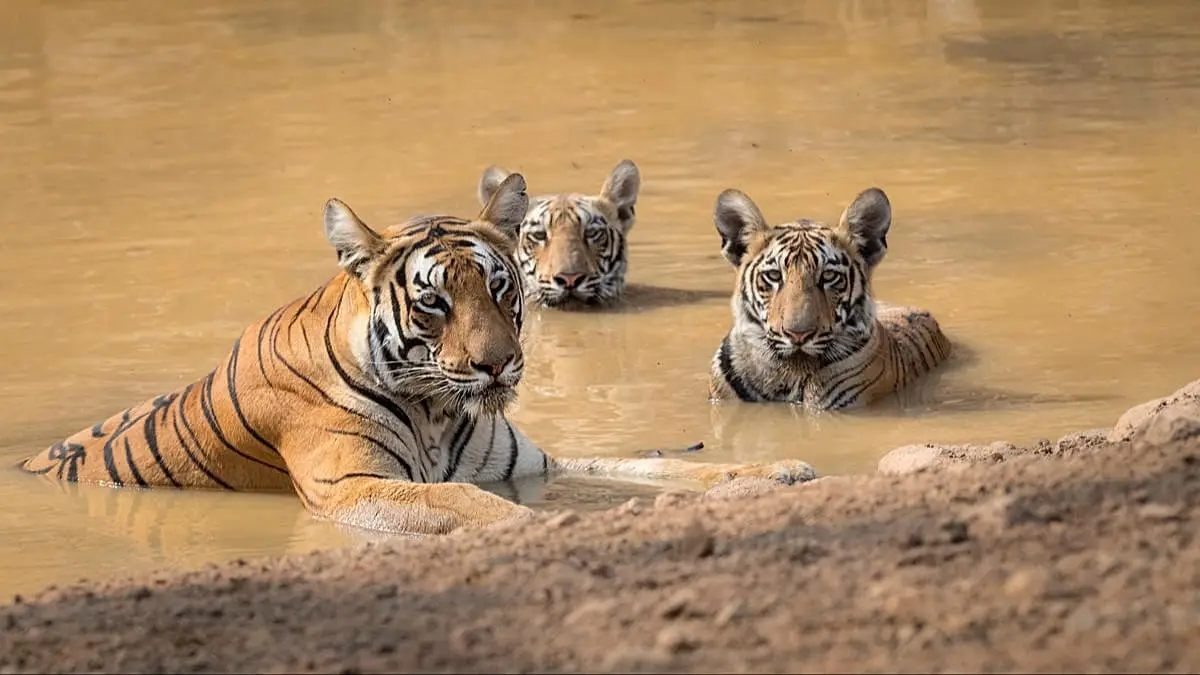
Despite the bleak figures, the report stresses that conservation works. Tigers are a clear example: in 2010, around 3,200 wild tigers remained and the species seemed to be heading towards extinction, but last year the population reached around 5,700, an increase of 70%. Atlantic bluefin tuna populations had nearly collapsed after decades of overfishing, but have now recovered enough that the species is no longer considered threatened. In South Africa, elephant populations are stable or growing in many areas where local communities manage the land they share with them. And last year, the green sea turtle became the first sea turtle to be reclassified from “Endangered” to “Least Concern”, following decades of conservation efforts.
“Biodiversity continues to decline at an alarming rate, but amid these steep declines there are reasons for hope,” says Kirsten Schuijt, director general of WWF International. She attributes the recoveries to years of “sustained collective conservation” and notes that, for these successes to continue and expand, the industries and systems causing the loss of nature must be transformed. As she says, progress has already begun, though not everywhere and not yet at the scale needed, but enough to prove that change is possible.
The report identifies three systems driving biodiversity loss.
First, energy: burning coal, oil and natural gas for homes, transport and industry produces around three-quarters of the greenhouse gas emissions that cause climate change, which has now become a driver of biodiversity loss in every ecosystem.
Second, food: agriculture is the biggest cause of habitat loss and degradation and a major driver of biodiversity decline.
Third, the financial system: decisions about where capital goes determine which activities grow. In 2023, around $7.3 trillion was channelled into activities that harm nature, compared with just $220 billion for efforts to protect or restore it.
Experts argue that transforming these systems, even if it seems impossible, can trigger positive tipping points, where change accelerates once a threshold is crossed.
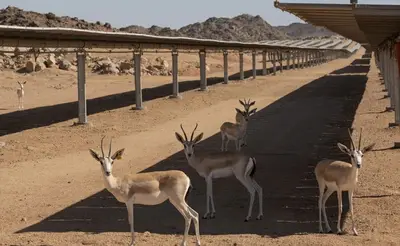
The transition to clean energy is a clear example: decades ago, solar power was used in pocket calculators and satellites, while today it is the cheapest source of new electricity generation in most countries. Last year, solar power generated 13.1% of the EU’s electricity, overtaking coal, and solar and wind together surpassed fossil fuels for the first time in 2025.
Every phase of the transition has prompted resistance from industries and political interests whose dominance is threatened, the report notes. This resistance has intensified in parts of the world, but the authors see it as part of the transformation and a sign that change has become disruptive enough to matter.
The main message is that, as long as the funding ratio remains unchanged, the underlying drivers of biodiversity loss will continue to receive funding; however, conservation successes show that nature can recover when given the chance.



Comments