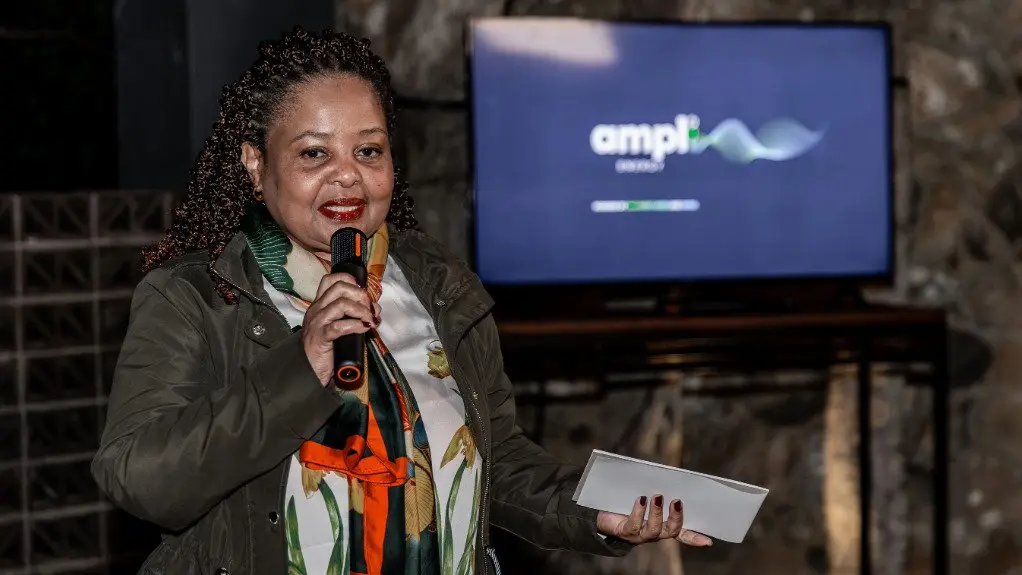
Kruger National Park in South Africa is set to meet about 25% of its electricity needs from renewable sources through a partnership between South African National Parks (SANParks), Discovery Green and Sasol. The agreement was announced on 7 October in Skukuza, Mpumalanga, as the park marks a hundred years since its designation. According to the participants, the aim is to reduce emissions associated with its electricity supply and strengthen the long-term sustainability of its operations.
The partnership is based on Ampli Energy, Discovery Green and Sasol's joint service for supplying renewable electricity through the grid. The model, known as "wheeling", allows renewable energy generated and fed into the grid at one location to be matched with customers' consumption elsewhere. This enables the park to source energy from facilities outside its boundaries without immediately having to develop all the required infrastructure on its own grounds.
SANParks chief executive Hapiloe Sello linked the agreement to the organisation's energy needs and financial difficulties. SANParks manages 21 national parks covering a total of about four million hectares, and Kruger accounts for a significant share of its electricity consumption. She said the secured amount of renewable energy corresponds to more than 25% of the park's annual consumption. In her assessment, this supply will strengthen Kruger's energy resilience and show how a conservation organisation can contribute to reducing emissions.
Sello explained that SANParks had spent years seeking ways to begin moving its operations to cleaner energy, but cost had been a major obstacle. The agreement, she said, offers a way to begin this process without immediately paying the full capital cost of building renewable energy facilities inside the park. This financial feature is particularly significant for an organisation that combines managing tourist destinations with an extensive mission to protect natural and cultural heritage.
Barry Swartzberg, co-founder of Discovery, the parent company of Discovery Green, described the limitations of relying exclusively on owned facilities. He said that despite Discovery's significant investment in its own solar panels, they met only about 3% of its total electricity demand. According to him, this experience highlighted the need to also source energy from solar or wind farms developed elsewhere in the country. Matching generation with demand also allows organisations with different electricity generation and consumption patterns to work together.
Discovery Green chief executive Andre Nepgen said the agreement supports SANParks' mission to protect, expand and sustainably manage South Africa's natural and cultural assets for current and future generations. He linked the integration of renewables into Kruger's operations to efforts to combine visitor services with responsible environmental management. The partnership's significance is therefore presented as part of the park's everyday operations, extending beyond the supply of electricity itself.
For Sasol, Sarushen Pillay, executive vice-president for business development, strategy and technology, placed the partnership in the context of the country's wider energy problems. He said the first meeting with the Discovery Green team took place when scheduled power cuts were at their peak. This was followed by efforts to find ways to collaborate and the development, through Ampli Energy, of a mechanism connecting renewable generation with organisations seeking to reduce emissions from their electricity consumption.
SANParks sees the initiative as a pilot project that could be expanded if it proves successful. Its aim is to increase the amount of renewable energy supplied to Kruger and then apply the same approach to other national parks. The centenary of Kruger, which was declared a national park in 1926, also gives the agreement symbolic significance: according to Sello, it offers an opportunity to connect the next century of nature conservation with a more sustainable operating model.

Comments