The Veritasium channel announces the launch of a new channel called InGenius. As the video explains, there have been ideas that did not quite fit the main channel, but that does not mean they should not have become videos or that they have nothing interesting to say. The new venture aims to tell these stories with the same rigor as Veritasium, but this time about social science and how our complex, constantly changing world works. The host is Latif Nasser.
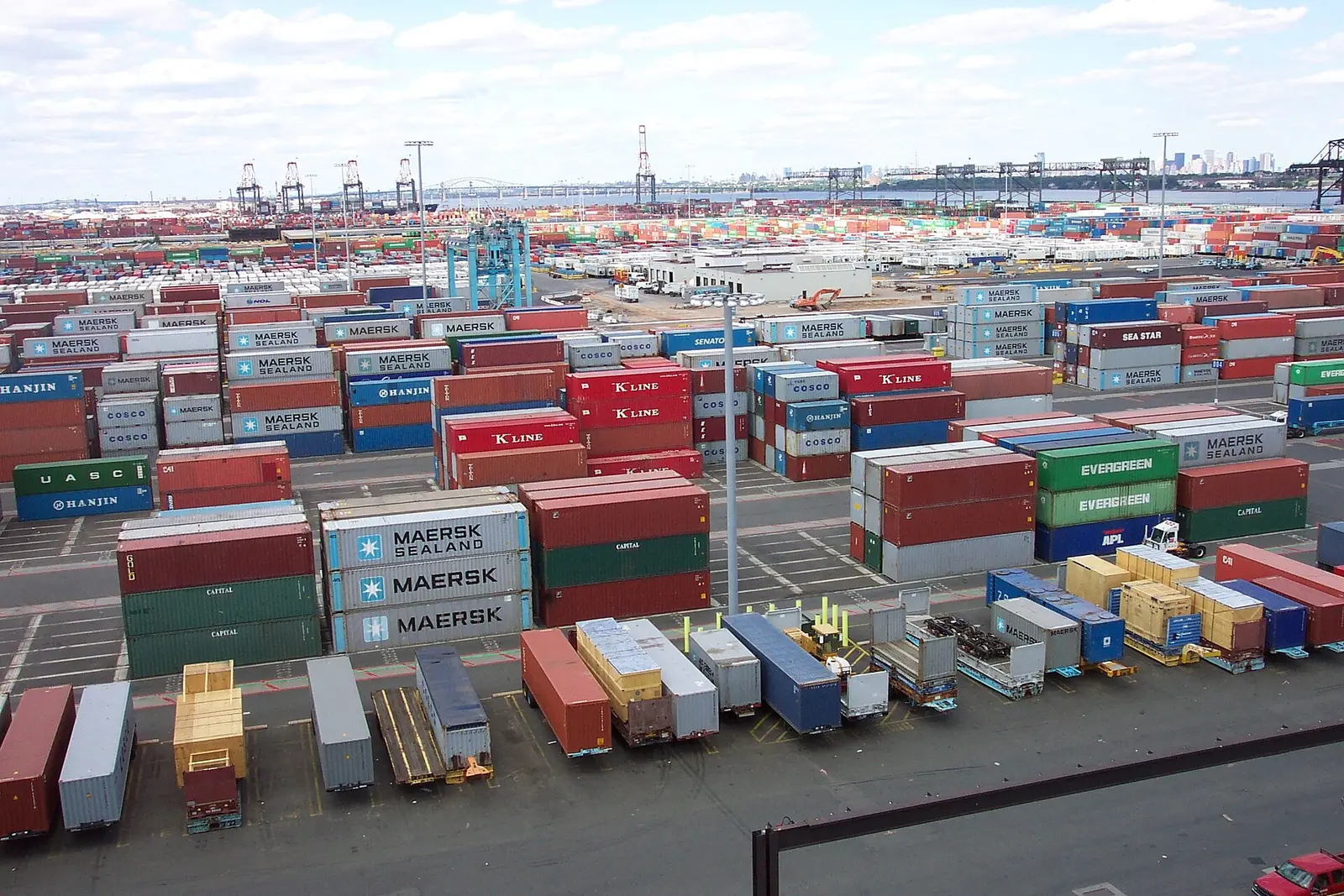
The first video is about the shipping container. The story opens with the claim that a $40 piece of metal “redesigned the modern world” and started a revolution that transformed China from one of the world's poorest countries into a global superpower controlling 30% of global manufacturing. According to the account, the story inspired former spy Yuan Geng to create an island of capitalism in his county, using an invention that changed the face of communist China, spreading its influence worldwide and upending the entire global economy.
But the story begins with a frustrated American truck driver from North Carolina, rather than in China. In 1937, 24-year-old Malcolm McLean drives his truck full of cotton bales from North Carolina to Hoboken, New Jersey. At the port, he waits for his truck to be unloaded, and waits, and waits. The process is painfully slow, taking almost an entire day, and that is just for his truck.
Then he thinks: what if he could take the entire rear section of the truck and put it directly onto the ship? The whole process would be over in minutes instead of hours. The problem is that truck drivers cannot control how ships are loaded. So, as McLean builds a highly successful trucking empire over the next twenty years, he can only watch the loading and unloading problem get worse.
The log of a cargo ship from 1954, the SS Warrior, shows the scale of the problem. The ship carried 194,582 separate items, all of which had to be loaded and unloaded by hand by teams of dockworkers. The process took so long that the cost of cargo sitting idle in port was twice the cost of the sea voyage itself.
The cargo was also exposed to another problem. The docks of New York and New Jersey in the 1950s were dominated by the Genovese and Gambino Mafia families. Corruption, extortion and theft were endemic. An estimated $13 million-plus worth of cargo was stolen from these ports alone over three years, equivalent to more than $180 million in today's dollars.
The result was that the process was so expensive that, in most cases, international sales simply were not worth the trouble. Most consumer goods stayed local: they were produced locally and sold locally. In 1955, McLean decides to act. He is convinced that his old idea of detachable truck trailers is the solution.
He does something drastic: he sells his twenty-year-old trucking empire and bets everything on a shipping company, even though he has absolutely no experience in the field. But to make his idea a reality, he needs someone who can build the container of his dreams. He hears about 35-year-old engineer Keith Tantlinger from Spokane, Washington.
Tantlinger has already built a transportable metal box and experimented with stacking it. His reasoning is similar to McLean's: instead of wasting valuable space on the ship with the truck or its wheels, it would be better to move just the cargo inside the box, from truck to ship in one seamless motion.
McLean brings Tantlinger to his headquarters in Alabama and immediately puts him to work on containers that will fit a converted World War II oil tanker he has just bought. The ship is renamed SS Ideal X: “Ideal” for the ideal form of transport and “X” for experimentation.
The video compares it to the SpaceX of the 1950s and says that, in many ways, Malcolm McLean is the Elon Musk of his time. In this way, InGenius presents the container as more than just a technical invention: it was a bold experiment that changed global supply chains.
The excerpt provided stops at this point; the first video continues on the InGenius channel, where viewers can watch the rest of the story. Even in this preview, the account brings together engineering, organized crime, labor, entrepreneurship and geopolitical transformation in a single story about how a change in one part of the world can affect the way we all live.



Comments