Viktor Frankl lost his mother, father and brother in the Holocaust and barely survived himself. Eleven months later, in lectures subsequently published as “Yes to Life: In Spite of Everything,” he explored what makes life not merely bearable, but worth living. At the same time, he was completing the manuscript of his classic work “Man’s Search for Meaning.”
Frankl explains that meaning comes not only from our actions, when we respond responsibly to life’s questions. We can also meet the demands of existence as people who love: through devotion to the beautiful, the great and the good.
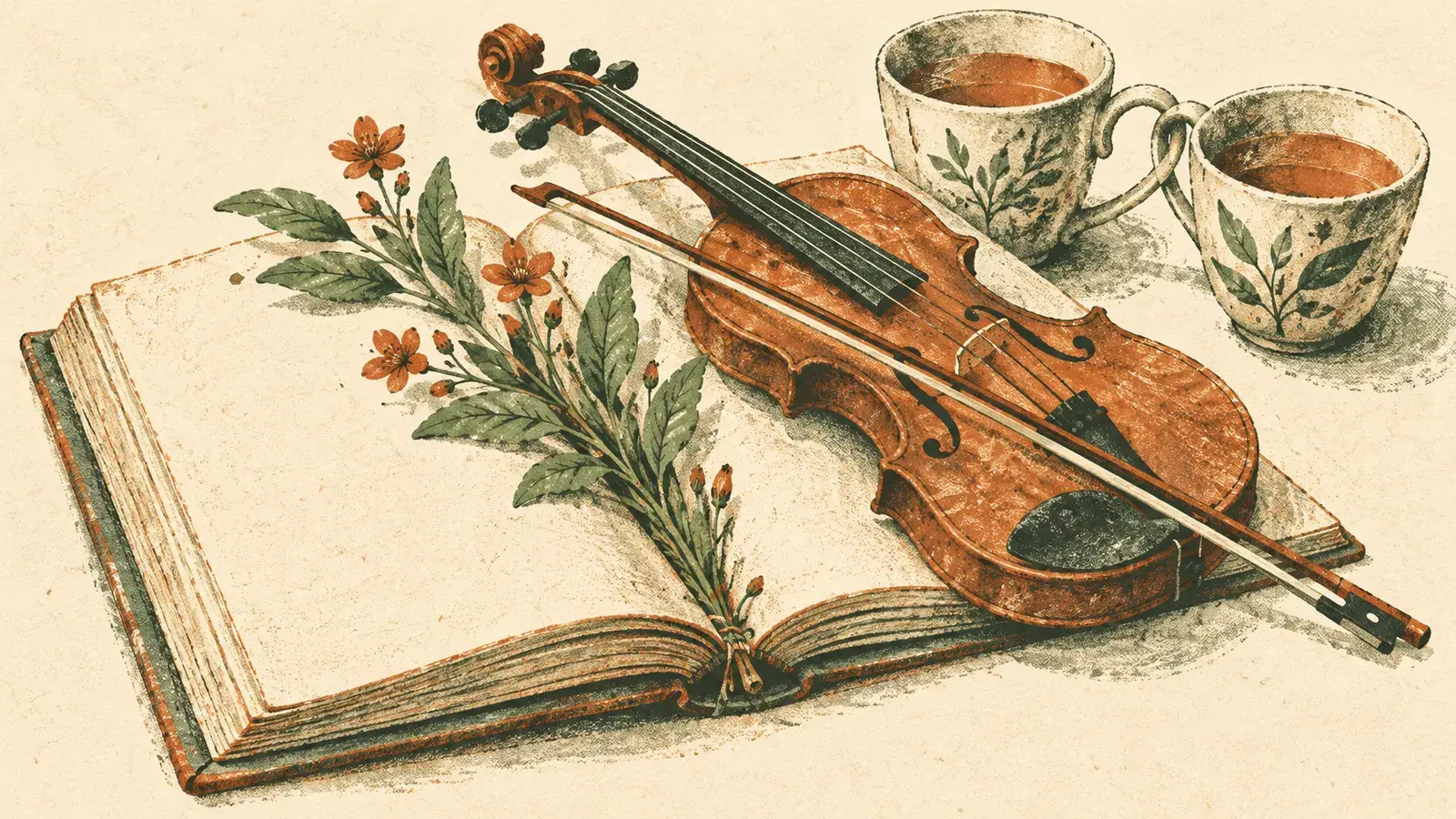
To make this clear, he proposes a thought experiment: imagine sitting at a concert, listening to your favorite bars of a symphony, so moved that you feel a shiver. If someone asked you at that moment whether your life had meaning, the only answer would be something like: “It would have been worth living for this moment alone.” The same experience, he adds, is available to those who experience nature and those who are in another person’s presence. Don’t we all know the feeling that comes over us in the presence of a particular person? A feeling that roughly translates as: “The fact that this person exists in the world, that alone makes the world, and life within it, meaningful.”
From there, Frankl turns to how we face the limits of our possibilities: how we behave when our choices are restricted, how we accept suffering within those limitations. Even then, he says, we remain capable of realizing human values. The way we handle difficulties shows who we truly are.
The Marginalian connects these thoughts with earlier voices: Mary Shelley, who saw nature as a lifeline in a world wounded by a deadly pandemic, and Tennessee Williams, who wrote that we live in a perpetually burning building and what we must save is love. Frankl’s answer to the question of what makes life worthwhile thus lies in neither optimism nor pessimism, but in the deepest source of meaning: the way we love and suffer. “Yes to Life” is a short but exceptionally rich book, a reminder that even one moment of beauty or love can justify an entire life.
Comments