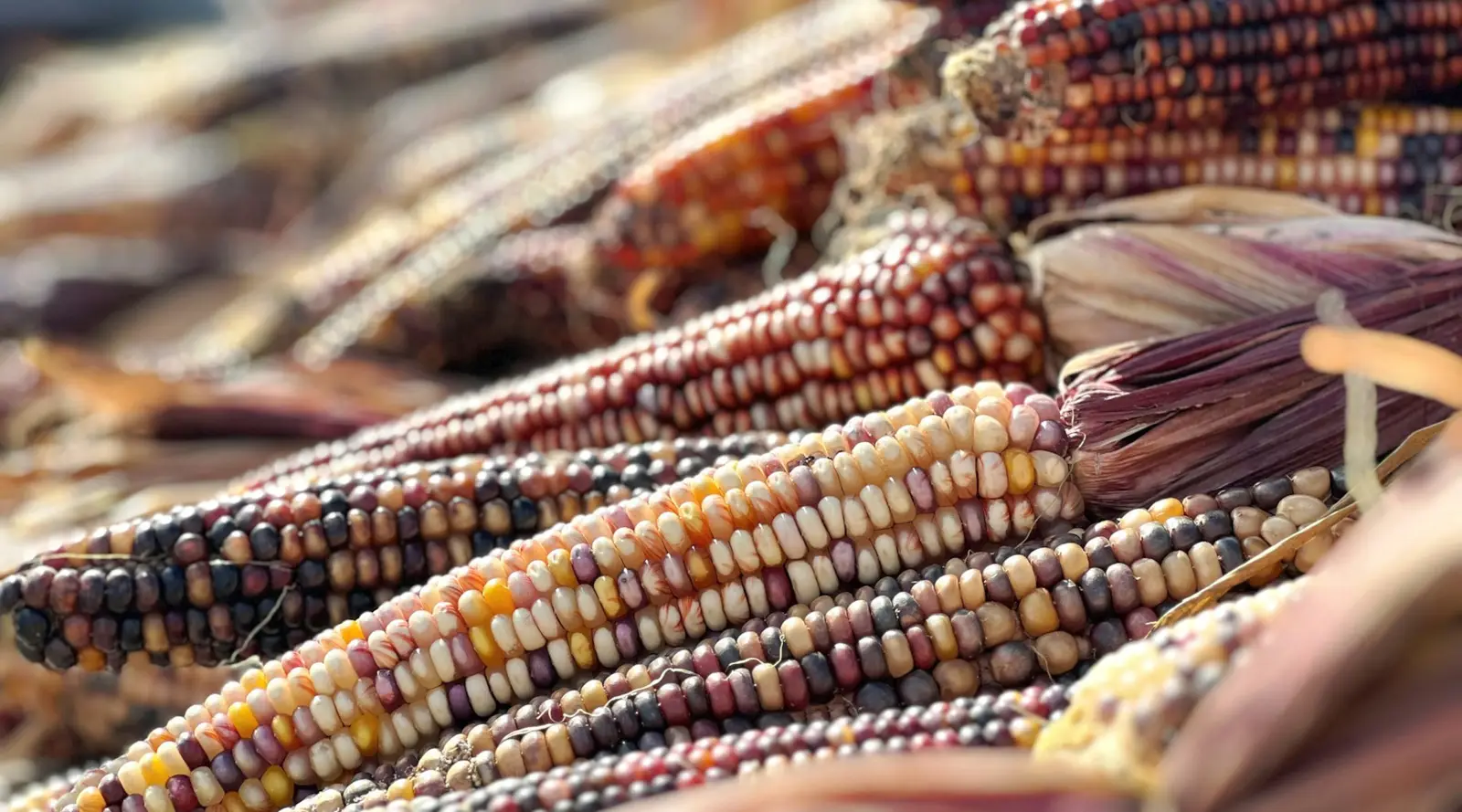
The US Department of Agriculture (USDA) announced the launch of the Seed Sovereignty Initiative, a $180 million investment aimed at strengthening the country's agricultural security by protecting and fully using the plant genetic resources that support American agriculture. The initiative will direct resources to the Agricultural Research Service's (ARS) National Plant Germplasm System (NPGS), which holds more than 600,000 germplasm accessions representing over 16,000 plant species. With this funding, the USDA will sequence collections of major crops to “unlock” the resources' genetic potential and identify critical gaps in existing collections.
Agriculture Secretary Brooke Rollins said that “for far too long, the future of our crops and seeds has not been a priority,” adding that the United States “cannot depend on foreign adversaries for next year's crop.” According to the USDA, foreign competitors are actively acquiring and sequencing plant genetic resources from around the world, while the United States has yet to fully use the genetic information in its own collections, which have not yet been fully sequenced. The Seed Sovereignty Initiative aims to close this knowledge gap and reduce the risk of future dependence.
Deputy Secretary Stephen Vaden described America's agricultural resources as a “strategic national asset,” stressing the need to catalog domestic resources, identify vulnerabilities and ensure that the United States will never have to rely on foreign competitors for critical agricultural resources.
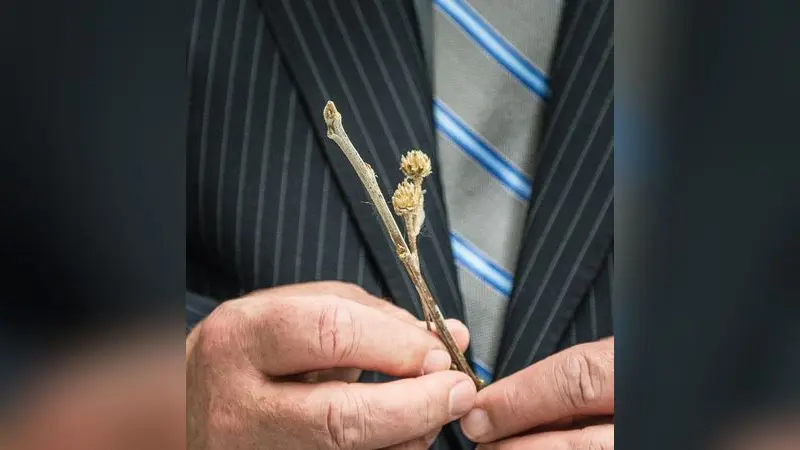
Over two years, the USDA will characterize and sequence numerous NPGS collections, using advanced technologies, including artificial intelligence, to identify valuable traits. This work is expected to enable the USDA and American researchers to respond faster to emerging pests and diseases and support the development of new crop varieties for the benefit of farmers and consumers.
USDA Chief Scientist Dr. Scott Hutchins noted that the NPGS “contains enormous untapped potential for American agriculture” and that modern sequencing will allow it to be used for the benefit of American farmers.
In addition, the USDA announced an expansion of its existing memorandum of cooperation with the US Department of Justice to strengthen competition in agricultural input markets, with a particular focus on seeds. The expanded cooperation aims to bring greater transparency, stronger competition and more choices for American farmers in the seed market.
This investment aims to strengthen American agriculture at a time when the genetic diversity of crops is internationally recognized as a critical resource for adapting to climate change, addressing new diseases and ensuring food security.



Comments