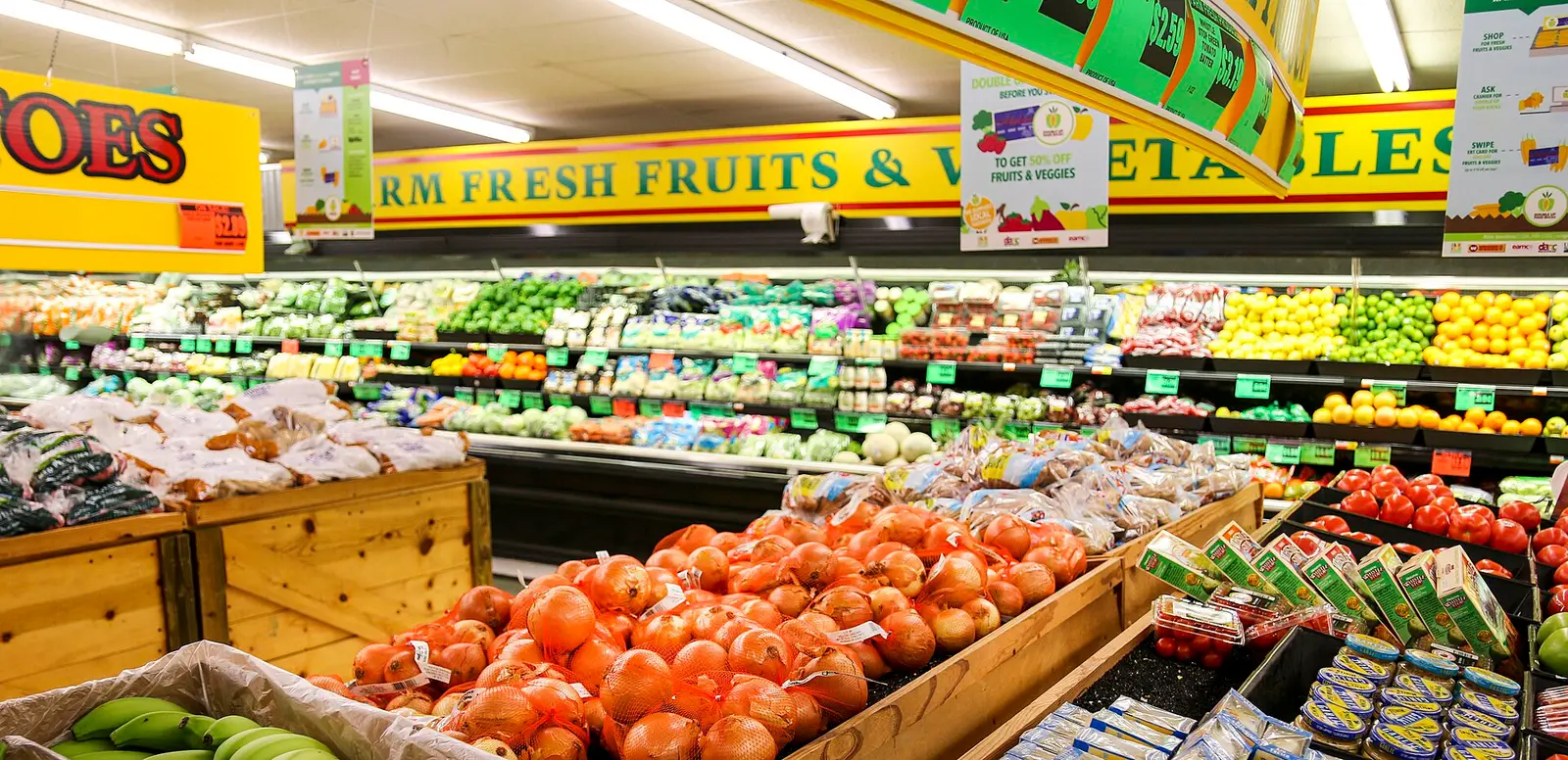
Seattle's city council approved the Fair and Transparent Pricing policy, which bans large grocery retailers from setting different prices for different customers using personal data. The rules cover both online and physical stores and require prices to be clearly displayed and available to all shoppers. According to the announcement from the mayor's office, this is the first measure of its kind approved by a city in the United States. Its aim is to protect consumers from personalized charges based on tracking their data.
The ban covers the use of information such as employment status, race, gender, internet browsing history, social media activity and conversations with artificial intelligence systems. According to the announcement, such information can feed algorithms that estimate how much a particular customer is willing to pay. The new policy places restrictions on its use in determining the price offered to that customer. The city government presents the intervention as protection for both privacy and equal treatment when buying essential goods.
Traditional coupons and transparent discounts for specific groups, such as seniors and veterans, remain protected. The measure therefore allows these forms of offers while restricting different charges resulting from the use of personal information. The distinction matters to consumers, as the policy combines the requirement for clear prices with the preservation of established ways to save money. The announcement stresses that the rules aim to ensure open and consistent pricing practices.
The initiative was supported by Mayor Katie B. Wilson and Councilmember Alexis Mercedes Rinck, with councilmembers Dionne Foster and Rob Saka as co-sponsors. The policy was developed after months of collaboration with labor organizations, industry representatives and community groups. Wilson linked the need for intervention to the rising cost of food and residents' demands that their data not be used to decide how much they pay. Rinck also pointed to cuts to the SNAP food assistance program as an additional strain on available household budgets.
As evidence of the need for rules, the announcement cites research and news reporting in the United States, including cases involving shoppers in Seattle. According to the city government, these show that algorithmic pricing can lead to significantly different charges for the same products. Vinhcent Le, vice president of AI policy at TechEquity Action, said that customers at the same Safeway store in Seattle saw different prices for the same box of crackers. The provided text does not give detailed evidence of this case or quantify how widespread the practice is.
Labor and consumer organizations welcomed the decision, emphasizing different aspects of it. UFCW 3000 presented the approval as the result of collaboration between workers and local communities, while MLK Labor argued that companies should not use what they know about a customer to estimate how much they can charge them. Grace Gedye, a policy analyst at Consumer Reports, highlighted the role of data brokers that collect information on online searches, income and movements. These statements explain the support for the measure without constituting an assessment of its results.
The announcement places the decision within broader US efforts to curb discriminatory and misleading pricing practices. It says that states such as New Jersey have adopted similar rules, presenting Seattle as a pioneer in consumer protection at the municipal level. The core of the intervention is a specific restriction on the commercial use of personal data when buying groceries. Although the city government expects benefits for transparency and affordability, the text does not yet provide measurements of the measure's effect on prices or details on implementation timing and compliance monitoring.




Comments