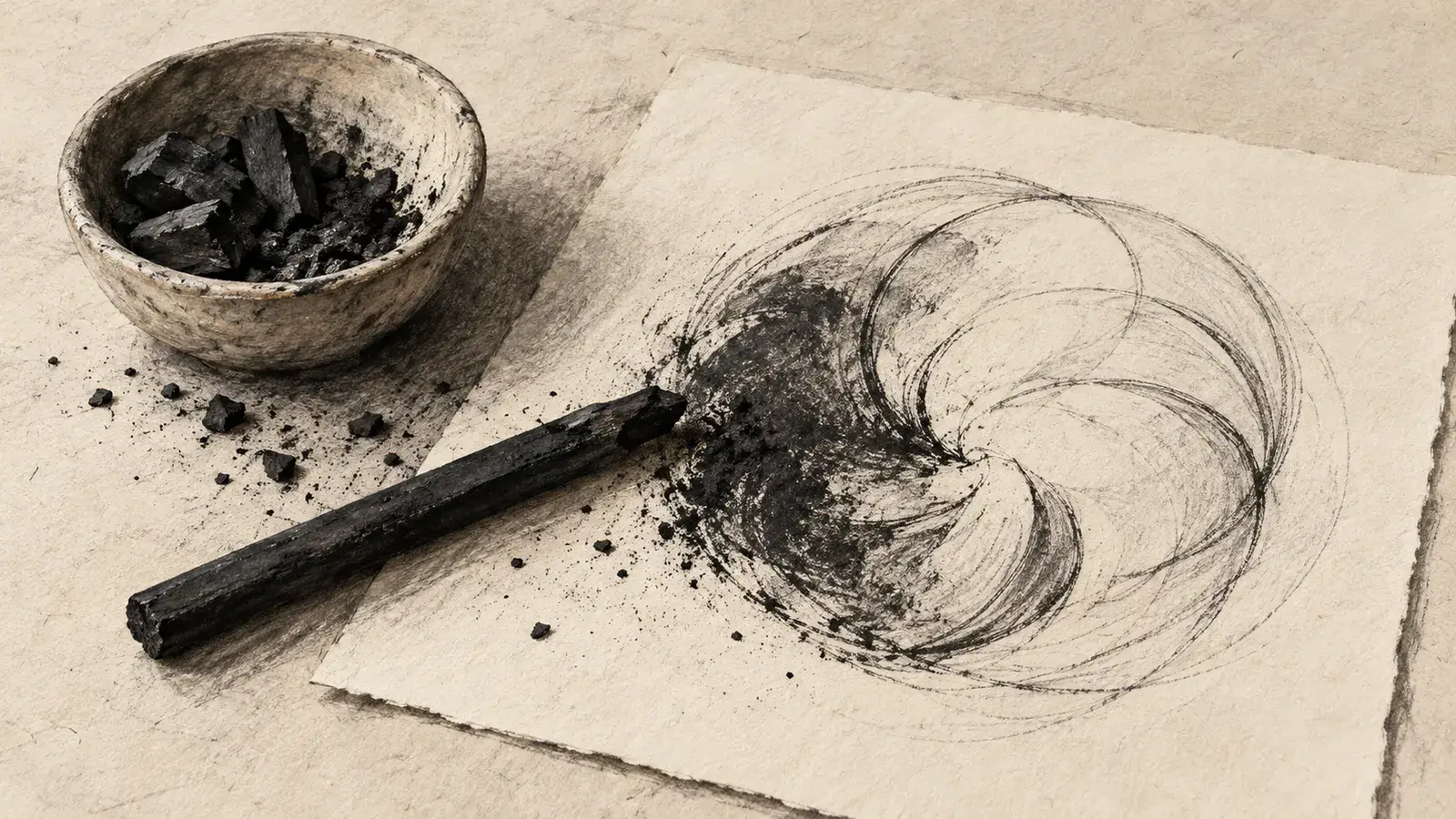
The article begins with an experiment: when artificial intelligence was asked to write a poem about a solar eclipse “in the style of Walt Whitman,” it returned a series of platitudes in rhyming couplets. The error in form — Whitman did not rhyme — could have been corrected with a line of code. The truly interesting question was different: why the result sounded hollow when Whitman could distill countless emotions into a single image.
When the author asked an elderly poet friend why artificial intelligence sounds empty, her friend replied: “Because artificial intelligence has not suffered.” On the one hand, the phrase echoes a dangerous myth: the archetype of the tortured genius we inherited from the Romantics, who, in a century of bloody revolutions, epidemics and strict moral codes, needed to believe that their poverty and early deaths were a fair price for their creative explosion.
On the other hand, however, there is a reality: art is the music we make from the bewildered cry of being alive — sometimes a cry of elation, but often a cry of devastation at the clash between our desires and the will of the world. Each creator's art is the way they cope with what they experience: their longings, disappointments, triumphs, the wars within them and around them. These painful contortions of the psyche — called neurosis at the dawn of psychotherapy — reveal us to ourselves, and from these revelations comes whatever can touch other lives.
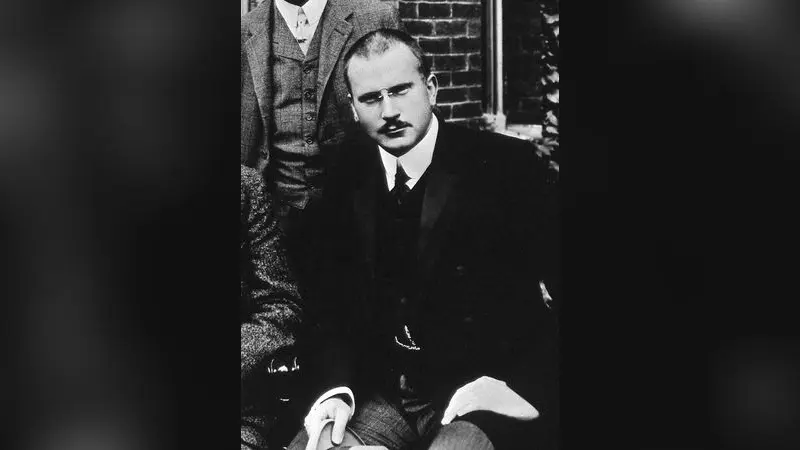
The text stresses that our strength and freedom lie in learning neither to deny pain nor to romanticize it, but to harness its catalytic power like a current passing through us to awaken us to life. No one, it notes, challenged the myth of the tortured genius more incisively than Carl Jung while still acknowledging the reality and fruitfulness of suffering.
In 1943, a Kierkegaard scholar asked Jung for his opinion on the relationship between “psychological problems” and creative genius. Recognizing Kierkegaard's ability to let his anxiety fuel rather than hinder his creativity, Jung calls him a “whole” person and writes: “True creative genius does not allow itself to be destroyed by analysis, but is freed from the obstacles and distortions of a neurosis. Neurosis does not produce art. It is anti-creative and hostile to life. It is failure and ineptitude. But modern people confuse morbidity with the birth of creativity — part of the general madness of our age.”
To support his position, Jung uses Nietzsche as an example: the question of what an artist would have created had they not been neurotic is unanswerable, yet, he says, one can imagine a healthy Nietzsche with creative power but without hypertension — something like Goethe. He would have written largely the same things, but in a less shrill, less piercing, more restrained, more responsible, more rational and more respectful way.
Jung weighs what makes suffering fruitful or degenerative. As he writes, “Neurosis is a justified doubt about ourselves and constantly poses the ultimate question of trust in humanity and in God. Doubt is creative when it is answered through action, and so is neurosis when it absolves itself by having been a phase — a crisis that is pathological only when it becomes chronic. Neurosis is a prolonged crisis that has degenerated into a habit, the daily catastrophe ready for use.”
The advice Jung would have given Kierkegaard on how to face the pain that fueled his philosophical writings is summed up in the words: “It is not what you say that matters, but what it says within you. You must address your answers to it. God is right beside you and is the voice within you. You must come to terms with that voice.” For Jung, in other words, God is the inner voice with which we must engage in dialogue.
In his 1943 letter, Jung describes the confusion of morbidity with creativity as part of the “general madness” of his time. The distinction he makes is between a crisis that becomes a phase and is overcome through action, and a crisis that becomes a chronic habit.



Comments