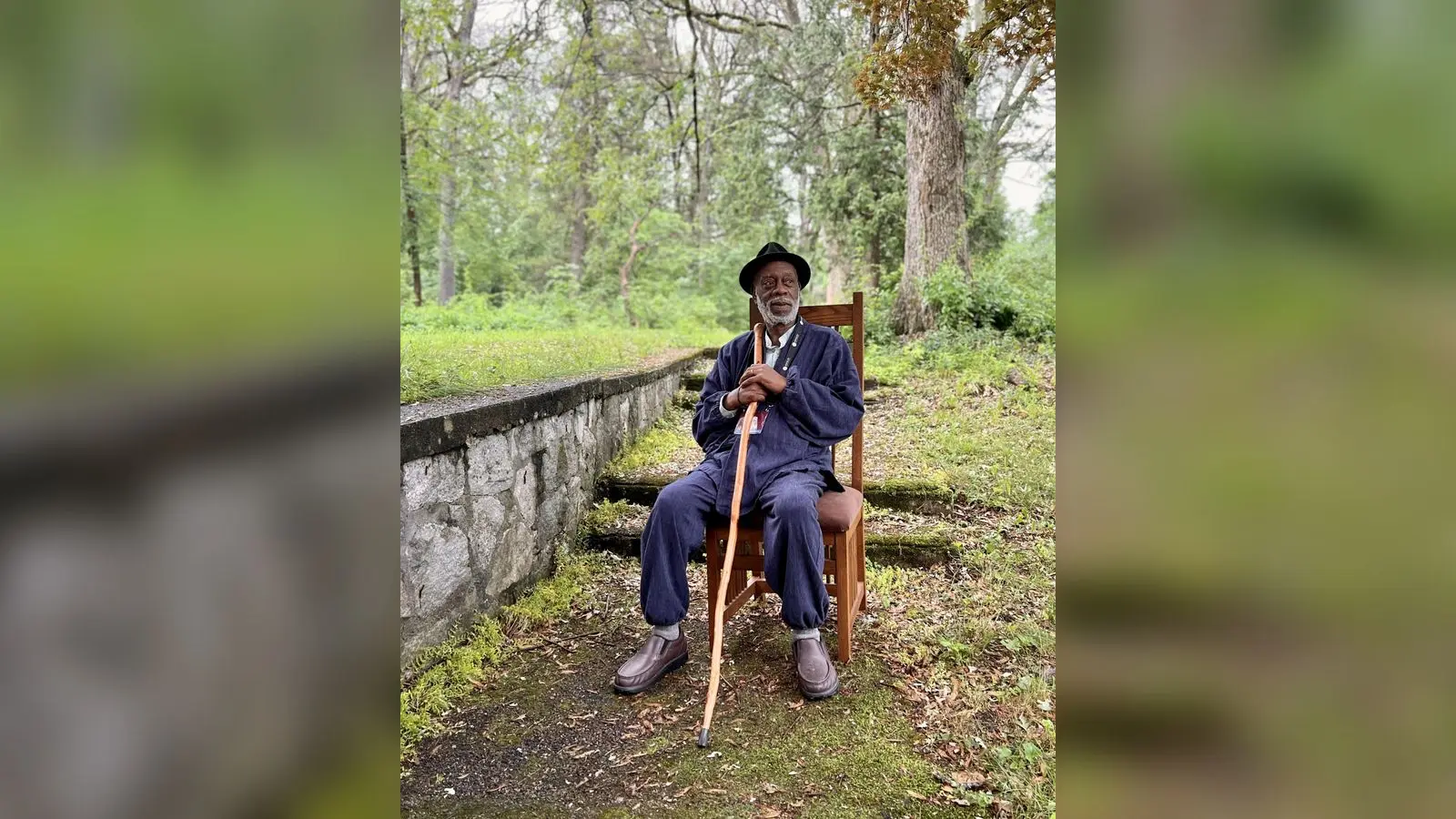
A community of support can also exist within us, through the voices and memories of people who have influenced us. This is the “inner sangha” Ward describes: a circle of people in the mind and heart that we can turn to for support in our spiritual practice. The aim, he explains, is to recognize who belongs to this circle and which qualities they help us cultivate.
His teaching starts from the idea that we already carry within us the society and influences of those who came before us. He refers to ancestors connected with our homeland, family, spiritual tradition and ecological background, as well as countless others we do not know personally. In his account, this inheritance exists alongside what has been passed on to us through family life, the places we have been and our experiences.
Among this wealth of influences, Ward suggests identifying a core inner community. Just as the external sangha offers companionship and support, the inner sangha can include people whose presence in our memory helps us practice compassion and wisdom. This choice is linked to an intention to live without causing harm.
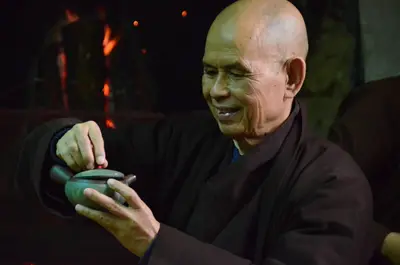
He gives specific examples from his own life: his inner sangha includes his grandmother and mother, as well as his father, who has a smaller presence than the other two. It also includes one of his first teachers in Christianity and the teacher he calls Thầy. The circle he describes combines family ties and spiritual influences.
Contact with these people takes the form of recalling what they have said and what he remembers. Ward connects this process with what he calls, in the context of work on psychological resilience, a “positive memory capsule.” Attention turns to voices, memories and expressions that, he says, offer support along the path of practice.
As a simple exercise, he suggests five minutes of meditation in which you can imagine being with a teacher, friend or mentor. This imagined meeting can include dialogue, conversation or shared silence; he describes it as an experience of contact with something positive, healing and transformative. The excerpt comes from a short recorded teaching he gave for the Plum Village App and was republished with permission in Tricycle.


Comments