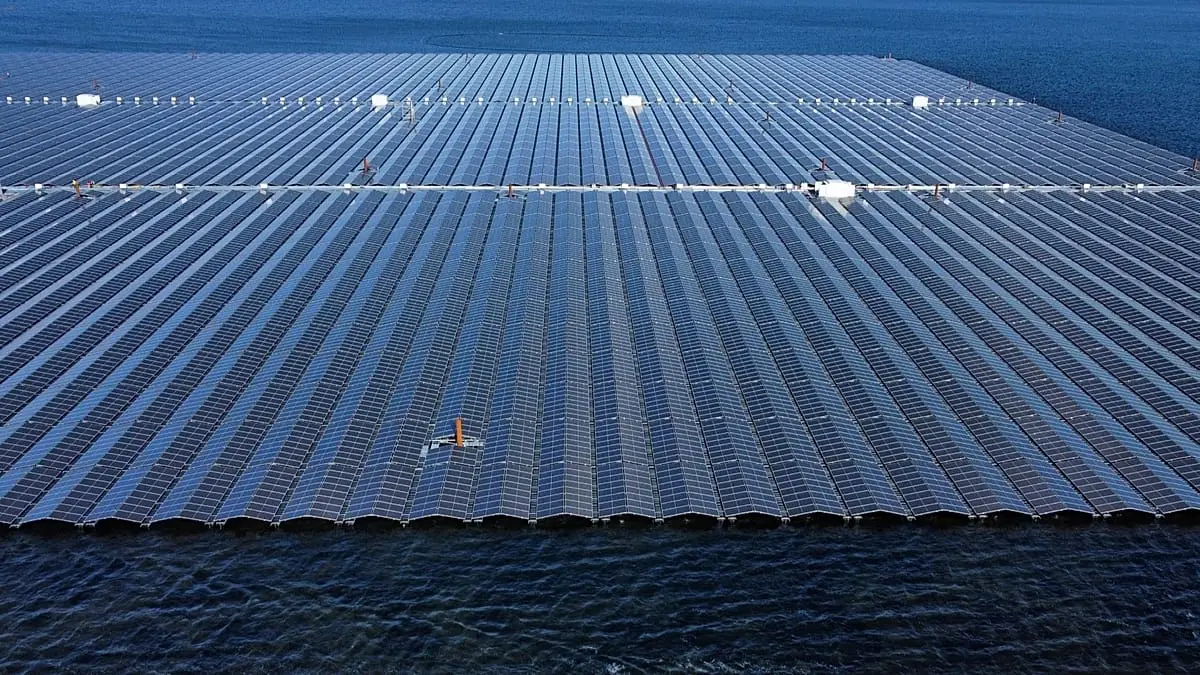
European natural gas prices remain very high seven months after the start of the war in Iran, mainly because of the de facto blockade of the Strait of Hormuz. This is a vital shipping route through which about one-fifth of global liquefied natural gas supplies usually pass. The supply chain disruption has pushed the EU into another energy price crisis.
The Dutch TTF benchmark contract was trading at around €31.96 per megawatt-hour on February 27, the day before the war broke out. By September 30, it had reached €72.35 per megawatt-hour, an increase of 126.5%.
However, new analysis by SolarPower Europe shows that using sunlight to generate electricity has saved Europe €37.4 billion by reducing demand for natural gas imports. According to SolarPower Europe CEO Walburga Hemetsberger, every megawatt-hour generated by solar energy reduces dependence on imported fossil fuels and makes Europe safer. She also points out that in June, solar energy became the EU's largest single source of electricity, accounting for 25% of the bloc's electricity generation. This, she says, demonstrates the return on Europe's investment in abundant, domestic renewable energy sources.
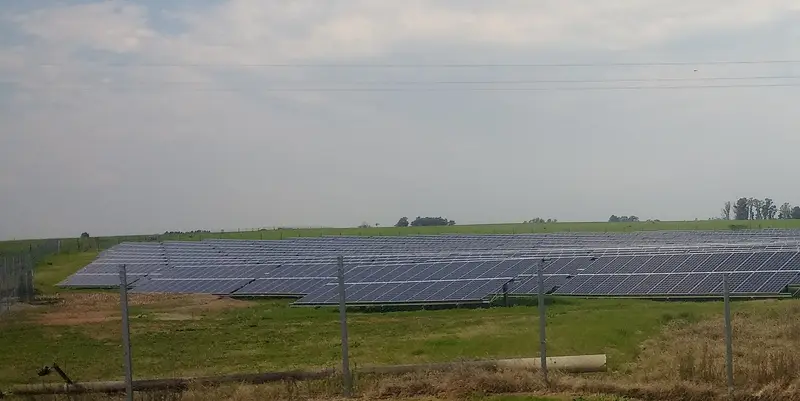
Hemetsberger adds that electrification, greater renewable energy generation and fossil-free flexibility solutions, such as battery storage, can shield Europe from future fossil fuel price shocks. She describes this as the path to long-term energy security.
Several European countries had already demonstrated the benefits of shifting to green technology before the war in Iran. Since 2019, Spain has doubled its wind and solar capacity, adding more than 40 GW to its energy mix. For comparison, a 1 GW power plant could supply about 876,000 households for a year if they consume an average of 10,000 kilowatt-hours of electricity annually.
According to energy think tank Ember, the expansion of wind and solar in Spain has reduced the influence of expensive fossil fuel generators on electricity prices by 75% since 2019. This reduction in the hours when prices were tied to the cost of natural gas was faster than in other gas-dependent countries, such as Italy and Germany. In European electricity markets, the most expensive generator called on to meet demand—usually one using fossil fuels—sets the hourly wholesale price. As generation from cheaper technologies such as wind and solar increases, fossil fuels set the price less often.
In the United Kingdom, wind generation set a new record on March 26, reaching 23,880 megawatts, enough to supply 23 million homes. Tara Singh of RenewableUK said wind provided more than half of Britain's electricity during this record period. She added that earlier that day, low-cost wind and solar displaced expensive natural gas from the energy system, with gas generation falling to its lowest level in nearly two years and providing just 2.3% of electricity.
Despite the solar energy boom, the EU is still struggling to reduce its dependence on natural gas. Recent Eurostat data showed that in the second quarter of 2026, more than half (54.1%) of EU electricity generation came from renewable sources. This is a slight decrease from the same quarter of the previous year, when the figure was 54.3%. Total EU electricity generation rose by 3.2% year on year, but over the same period, natural gas generation increased by 3.9%, while renewable generation grew by only 2.8%.
Jonathan Bruegel, a power sector analyst at the Institute for Energy Economics and Financial Analysis, says this decline highlights the need for a diverse mix of hydropower, wind and solar energy. He adds that natural gas still accounted for 13.3% even with renewables above 50%, because weak hydropower and wind generation brings gas back into the system. This underlines the need for more solar energy, storage and flexibility.
The message from the data is twofold: solar energy has already proved to be a powerful tool for reducing exposure to gas prices, but it is not enough on its own. The energy transition requires a combination of sources, storage and smart demand management to protect households and economies from future crises.

Comments