A community environmental group from the Hunter Valley won its case in Australia's High Court, which ruled that approval for the expansion of MACH Energy's Mount Pleasant coalmine in Muswellbrook was invalid. By a vote of three to two, the court dismissed the company's appeal and found a failure to consider the emissions that would result from burning the coal overseas. It was the first time the country's High Court had been asked to consider a climate-based case. Supporters of the challenge believe the ruling creates a binding precedent for fossil fuel projects in New South Wales.
The ruling centred on the Independent Planning Commission, the authority that had approved the expansion. The majority of judges found that the commission should have considered imposing conditions aimed at minimising, to the greatest extent possible, emissions from coal that would be sold and burned in other countries. These are known as scope 3 emissions, which in this case arise from the use of the product outside the mine itself. The failure to consider such conditions formed the basis for overturning the approval.
The planned expansion would have doubled Mount Pleasant's annual production to 21 million tonnes of coal, with operations continuing until 2048. Around 98% of the project's projected emissions fall under scope 3. This figure shows how decisive the burning of coal after export is to the project's climate assessment. The court ruling concerns the authority's obligation to consider ways of limiting these emissions when approving the expansion.
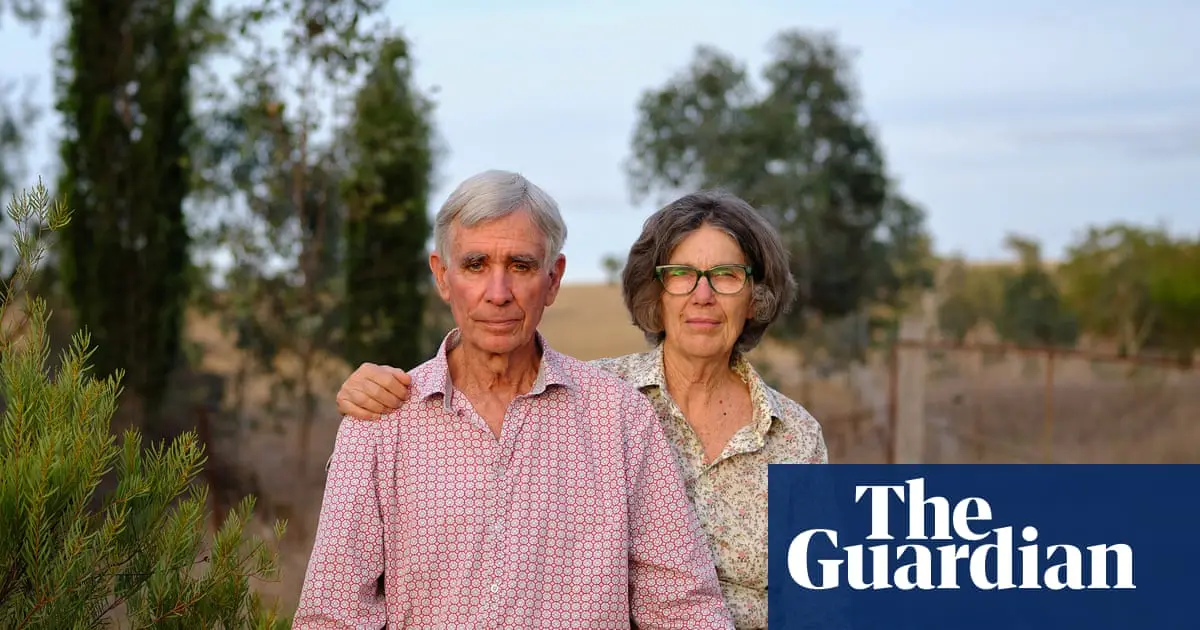
The original case was brought by the Denman Aberdeen Muswellbrook Scone Healthy Environment Group, known as Dams Heg. Its president is retired science teacher Wendy Wales, who, along with her partner Tony Lonergan and the group, has been seeking a favourable court ruling for more than four years. The Land and Environment Court initially ruled in favour of MACH Energy, but the New South Wales Court of Appeal overturned the approval in 2025. The company then appealed to the High Court, which confirmed that the approval was invalid on different legal grounds from those used by the Court of Appeal.
Wales argued that Australia cannot mine coal, export it and disown responsibility for the climate consequences of burning it. She linked greenhouse gas emissions to droughts, bushfires and floods, saying that large fossil fuel projects make the problem worse. For her, the ruling recognises the experiences of many Australians who have already suffered disasters caused by extreme weather. She also called on lawmakers to turn their attention to tackling climate change.
Elaine Johnson, director of Johnson Legal, which represented Dams Heg, said the ruling confirms the responsibility of Australian governments to take emissions from coal exports into account. As she explained, approval authorities must consider how emissions from burning coal overseas can be limited when assessing mine expansions. She described the ruling as particularly significant, noting that Australia is the world's second-largest coal exporter. Her assessment connects the outcome of this particular case with the broader practice of environmental approvals.
Sue Higginson, a Greens MP in New South Wales and the party's climate change spokesperson, pointed to possible consequences for another major project in the region. She argued that the Hunter Valley Operations expansion, the largest in the state's history, could face serious legal difficulties, even though it was approved only the previous week. According to Higginson, 98% of that project's emissions are also scope 3 emissions, which its environmental impact statement did not account for. Her prediction of a possible challenge to the approval is a political and legal assessment, rather than a court ruling on that particular project.
MACH Energy said it was disappointed with the outcome, but stated that it accepts the ruling and will study its implications for future assessments and environmental approvals. According to a spokesperson, the company will continue to pursue all available options to keep Mount Pleasant operating over the long term, while thousands of residents who depend on the mine for jobs and income face prolonged uncertainty. The spokesperson added that a separate modification, approved by the state government in August, will extend its operations by six years. Tania Constable, chief executive of the Minerals Council of Australia, described the ruling as a blow to meeting international demand for coal and commented that mines may now need to consider how to reduce their overseas customers' emissions.



Comments