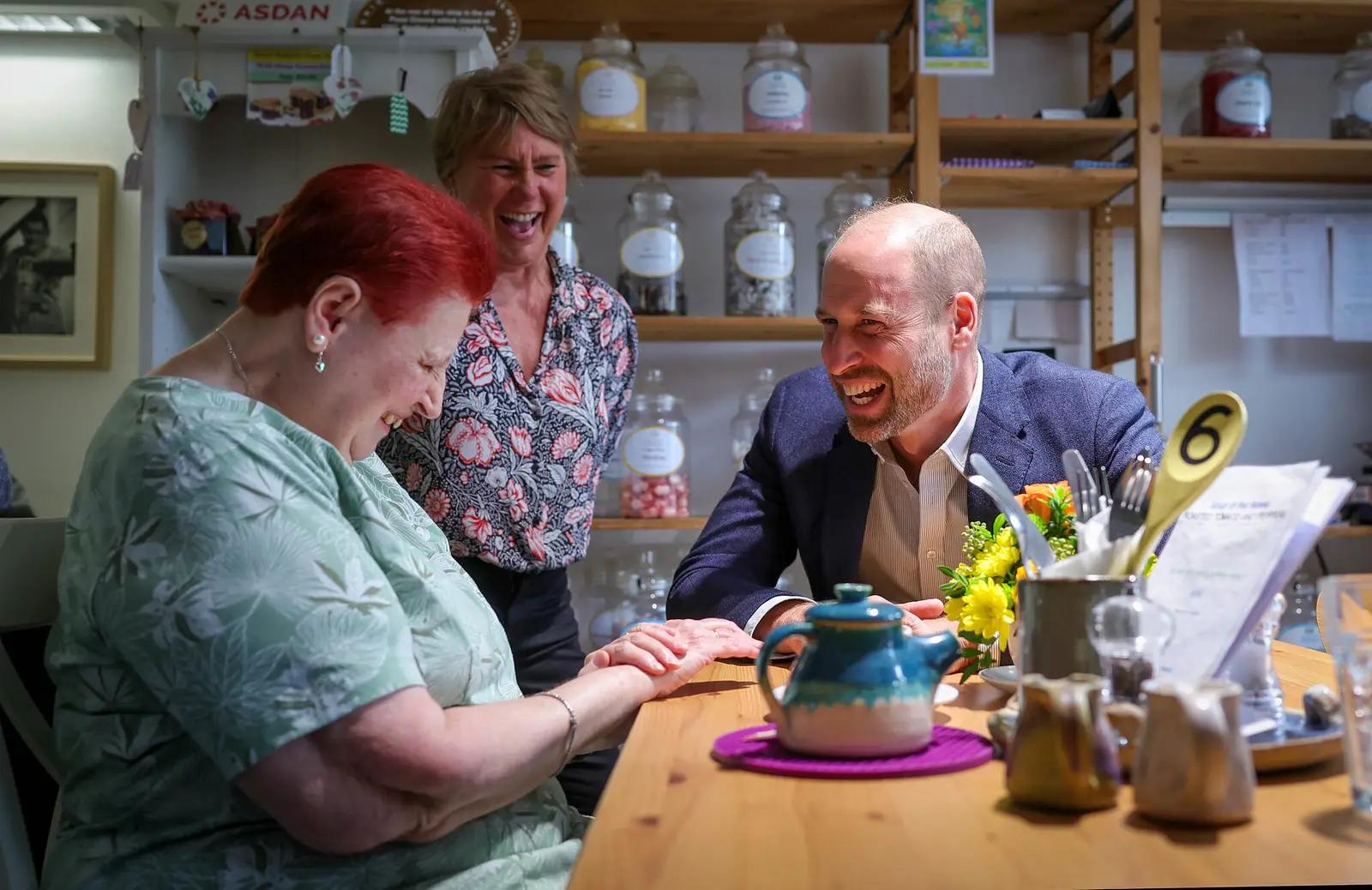
William, the Prince of Wales, and actor Ross Kemp visited Ilminster in Somerset to launch the free online Ready Together toolkit. The programme is run by the National Emergencies Trust, of which William is patron and Kemp an ambassador, and aims to help communities across the United Kingdom prepare for floods, wildfires and other emergencies.
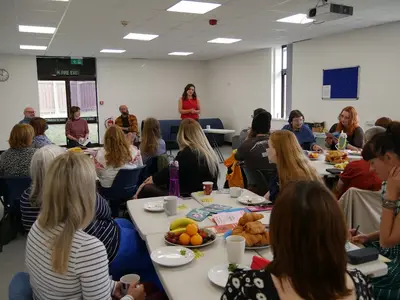
At the Sweet Surprise café on Ilminster's high street, William spoke with 74-year-old Tina Groves, who has impaired vision. Groves described how, nine years ago, she heard the sound of water while watching diving on television and thought it was coming from the set — until she realised her kitchen was flooding. “That gives new meaning to surround sound,” the prince remarked, prompting laughter, adding that people do not think about how a flood might affect someone who struggles to see. Groves's neighbours helped her get out of her home safely and, when the water receded, helped her restore it.
“It was very frightening,” she says. Her story sums up the spirit of the initiative: in a crisis, the people who live next door are often the first to respond and stay until the end.
Ilminster has experienced severe weather in recent years: floods, such as the one at Groves's home, and, more recently, wildfires. Residents describe the town as a very close-knit community. “We've had bad floods here, but when someone is in trouble, the community rallies round,” said Cheryl Mellers, who was waiting outside the café. “I've never seen anything like it.”
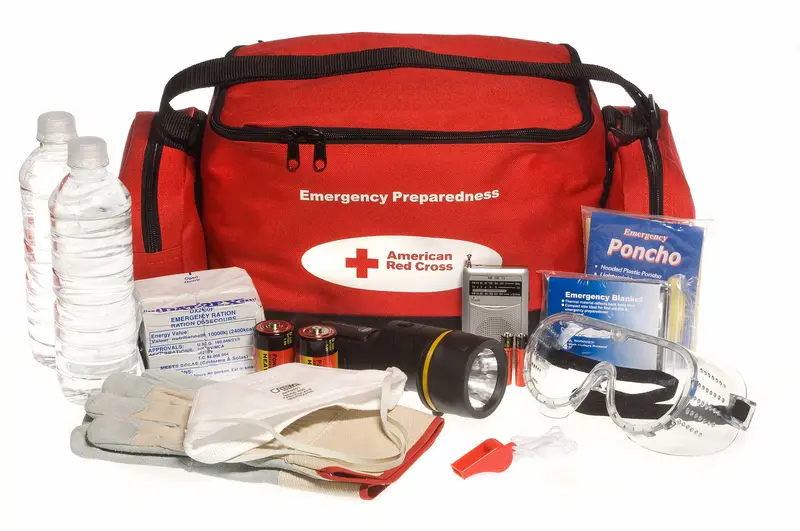
Mhairi Sharp, chief executive of the National Emergencies Trust, explains that Ready Together has two parts: an evidence-based guide showing how to build resilience and preparedness in a community, and a campaign calling for action. Developed with researchers at Nottingham Trent University, the tool allows groups — from residents' associations to sports clubs — to work through eight areas of preparedness, including communication, supplies and support for vulnerable residents. Groups can record the skills and resources they already have, identify what they will need in a crisis and create their own emergency plan. The website offers practical guidance, downloadable materials and a way to share the plan with others. Suggestions include non-perishable food and cash for essentials — although Sharp admits that the message about cash is “sensitive” during a cost-of-living crisis.
Ready Together is about more than extreme weather. Cyberattacks could disrupt banking or essential services, while prolonged power cuts could leave communities without heating or reliable communications. According to the Climate Change Committee, adapting to the effects of climate change is essential, as the United Kingdom remains unprepared for the consequences of global warming. Reducing emissions is crucial, but communities also have a role to play.
There is strong evidence that better preparation saves lives: according to Our World in Data, the global death rate from disasters has fallen by more than 90% over the past century, even as the world's population quadrupled. Better early warning systems, infrastructure and emergency response have contributed to this decline.
Ross Kemp says his experiences in disaster zones led him to keep a cupboard of emergency supplies at home: tinned food, batteries and candles. “One day your house will go dark,” he says. “Maybe a fuse will blow. You'll need a torch, candles, something to light them with. It's about being prepared.”
However, he believes the real strength lies in communities' ability to help one another. “We have excellent emergency services in this country, but communities are usually the first to step in and the last to leave,” he explains, recalling how he saw people come together while filming documentaries during Covid. “We're really good at this during a crisis. But how much better would we be if we were prepared?”
The launch in Ilminster shows how a free, practical initiative can strengthen social cohesion and resilience against growing risks. Ready Together does not replace public services, but builds on the knowledge and ties already present in every neighbourhood — and calls on people to take the first step before the next crisis strikes.

Comments