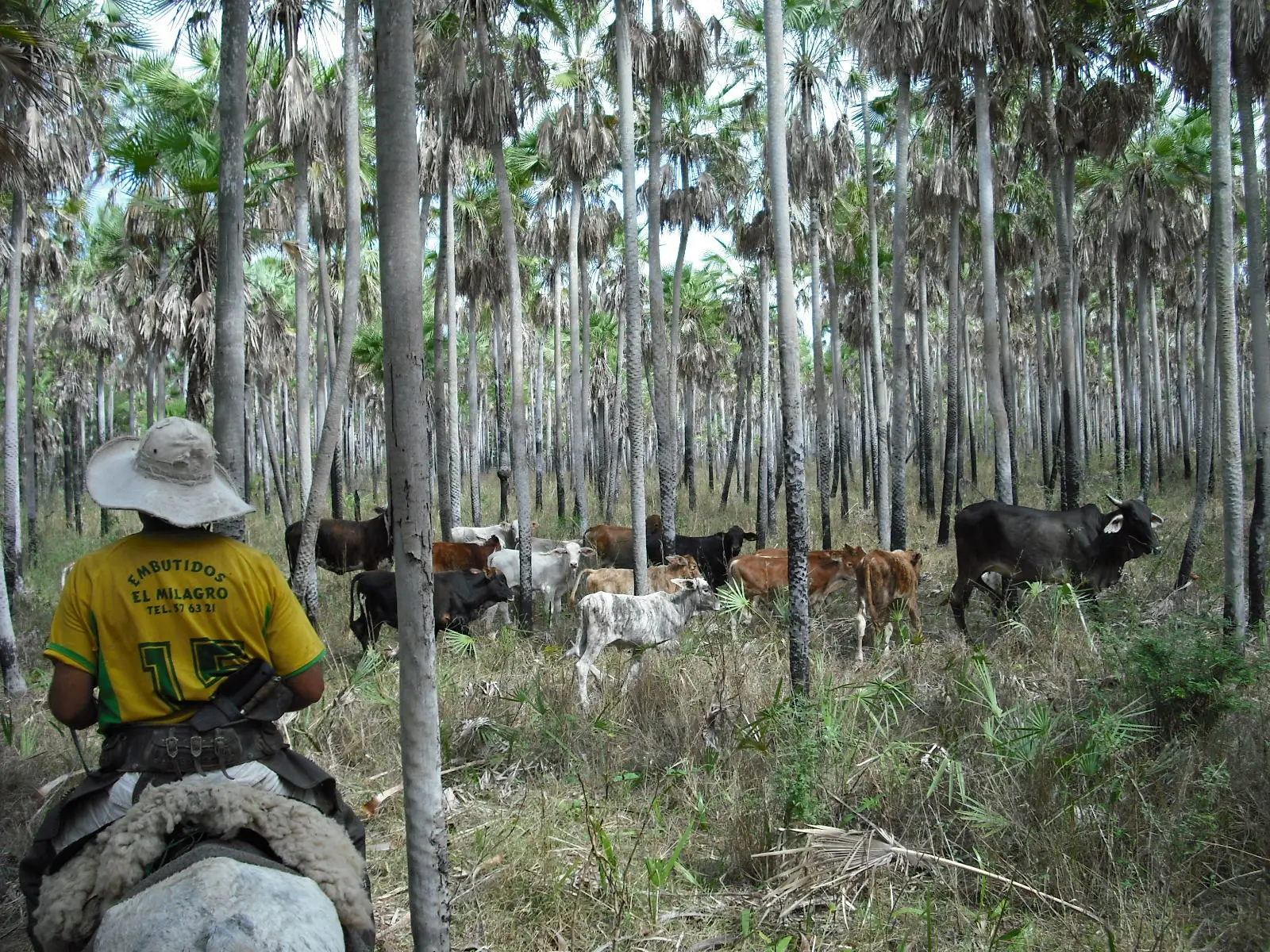
Paraguay submitted updated information on the Chaco Biosphere Reserve to UNESCO, meeting the deadline at the end of September 2026. The request concerned management plans and the designation of zones within the protected area, where the expansion of crop farming and livestock production threatens forests and the survival of Indigenous communities. However, the contents of the information submitted have not been made public.
Missing the deadline would not have resulted in any automatic consequence, according to Mongabay. UNESCO officials nevertheless said they are monitoring the area to ensure that it does not lose its biosphere reserve designation. In communication with the outlet in September, a representative of the organization explained that the aim is to provide technical support to states to complete or improve their documentation, with the goal of effectively functioning reserves.
The reserve covers around 7.5 million hectares of the Gran Chaco, one of the world's largest tropical dry forests. Over the past two decades, millions of hectares of this ecosystem have been cleared, mainly for crop farming and cattle ranching. Much of the area is ancestral land of the Indigenous Ayoreo people.
The Ayoreo-Totobiegosode continue to live in voluntary isolation and are particularly vulnerable to diseases that may arrive from the outside world as agricultural and livestock operations expand. According to the report, they are the last Indigenous group without contact with the outside world in South America outside the Amazon rainforest. The presence of communities in voluntary isolation was one of the reasons for expanding the reserve.
The area was declared a biosphere reserve in 2001 and expanded in 2011. In 2005, it joined UNESCO's Man and the Biosphere (MAB) program, which connects biodiversity conservation with sustainable development and improving the relationship between people and the environment. Private ownership is permitted within the reserve, but land clearing is subject to strict rules.
Enforcement of these rules is at the center of the criticism. Miguel Ángel Alarcón, general coordinator of Iniciativa Amotocodie, a nonprofit organization that supports the Ayoreo in defending their forests, told Mongabay in May that protection has essentially remained at the level of designation. In his assessment, stronger regulation or meaningful oversight of human activities has not followed.
In 2023, MAB asked Paraguay to develop a management plan and define the reserve's buffer and transition zones more clearly. It also asked for all stakeholders to be taken into account, with particular emphasis on Indigenous communities' participation in the governance and management of the territory. The requirement therefore concerned both protection rules and the participation of the people living in the area.
Paraguay did not respond to Mongabay's request for details of the submission, while MAB also declined to share them. The program said they may become available in 2027, following its internal review and decision-making process. According to a UNESCO representative, the reserve's future status will depend on progress in effective management, stakeholder participation and alignment with MAB criteria.
Comments