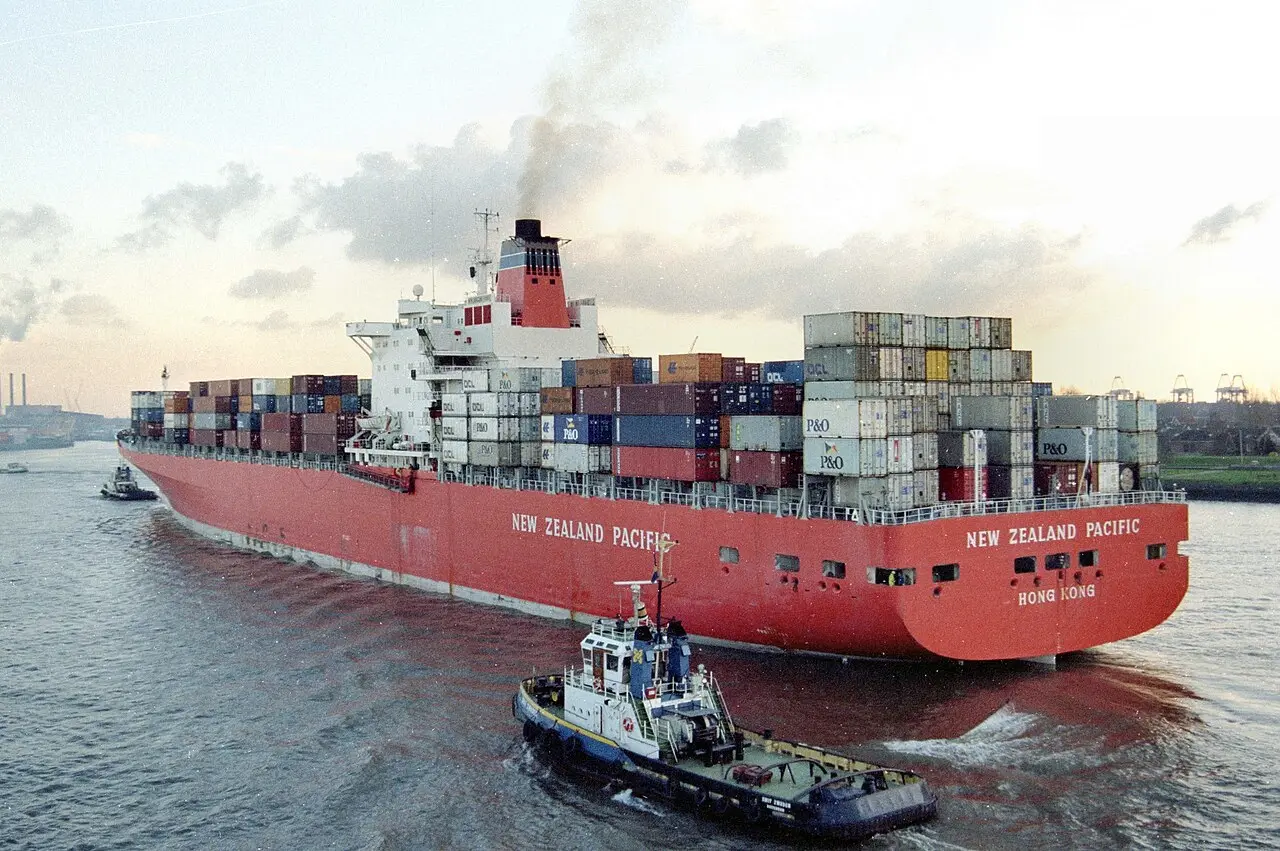
A Dutch NGO has filed the first climate complaint under European Union trade rules, arguing that New Zealand breached the environmental provisions of its free trade agreement with the bloc by weakening its climate regulations. The case will test whether binding climate provisions in EU trade agreements can be enforced to hold governments accountable for their climate obligations.
The EU–New Zealand free trade agreement, which entered into force in 2024, was the first in the world to include legally binding climate provisions and potential sanctions for breaching them, as the EU seeks to use its trade partnerships to promote greater environmental protection. Under the agreement, both parties committed not to weaken their environmental laws to promote trade or investment and to “refrain from any action or omission that materially defeats the object and purpose of the Paris Agreement”.
Climate campaigners at Dutch NGO Both ENDS argue that New Zealand's government breached these terms by reopening its waters to offshore oil and gas exploration, publishing a climate plan that requires barely any emissions reductions and passing a law preventing companies from being sued over climate damage. “Here we have a so-called gold standard for free trade agreements with sustainability provisions, but we have a trading partner doing exactly the opposite,” said Marius Troost, senior policy adviser at Both ENDS.
The Dutch environmental group filed the complaint through the European Commission's Single Entry Point, a mechanism that allows civil society to seek enforcement of the bloc's trade commitments. The EU–New Zealand agreement allows favourable trade arrangements between the two parties to be suspended in response to serious breaches of its climate provisions. Troost described this tool as “unique” for enforcing the obligations of both parties.
A spokesperson for New Zealand's Ministry of Foreign Affairs and Trade denied any breach of the agreement and said the government had not received formal notification of the complaint. The country, the spokesperson said, “takes its commitments under the NZ–EU Free Trade Agreement seriously, including the provisions on the environment and climate”.
A European Commission spokesperson said it would begin a preliminary assessment of the complaint and work with Both ENDS, adding that “sustainability is a central pillar of the EU–New Zealand relationship”.
New Zealand's right-wing coalition government said it would not take instructions from foreign bodies about its policies. Trade Minister Todd McClay told local media that “it is not for foreign countries, organisations or lobby groups to tell New Zealand how to fulfil its obligations”.
Eliza Prestidge-Oldfield, a senior legal researcher at New Zealand's Environmental Law Initiative, which supports the complaint, countered that this was not about “Europe telling anyone what to do”, but about highlighting the terms under which it is willing to import goods from New Zealand.
If New Zealand refuses to adjust its policies in line with the agreement, the complaint will be assessed by an independent panel, which can require the country to make changes. If those changes are not implemented, the panel could decide that New Zealand should lose its preferential access to the EU market. However, a negotiated resolution is more likely, as no previous labour complaint to the EU has ever reached the panel stage.
Experts said the case could set a precedent for how trade agreements can be used to hold governments accountable for climate action. The EU has introduced similar “trade and sustainable development” clauses in its trade agreements with Canada, Japan and South Korea, while its 2024 agreement with Mercosur also includes climate provisions. In addition, last year's advisory opinion on climate change from the International Court of Justice established stronger climate obligations for developed countries such as New Zealand, which could strengthen claims of breaches. “This is a test case that will attract significant attention—as it concerns not only climate change, but the way free trade and environmental sustainability have become intertwined,” said Alexander Gillespie, a law professor at the University of Waikato in New Zealand.
The outcome of the case will show whether climate commitments in trade agreements carry real weight or remain statements of good intentions.



Comments