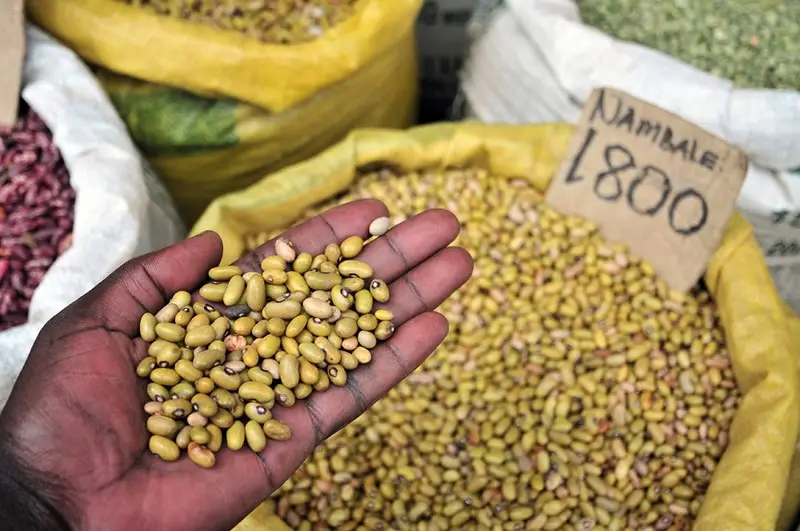
In Africa, high-quality seeds can produce improved crops with more nutrients, pest resistance and drought tolerance. But such seeds for maize, vegetables and cereals may be completely indistinguishable from counterfeit, or “fake,” seeds. This creates enormous scope for seed quality fraud, risking farmers’ access to climate-resilient varieties and putting their harvests and incomes in jeopardy.
A team of researchers analyzed efforts by 50 African countries to combat counterfeit seeds. They found wide variation in penalties for selling them across different governments and concluded that there is a significant gap between government policy commitments and their implementation, mainly because of limited capacity.
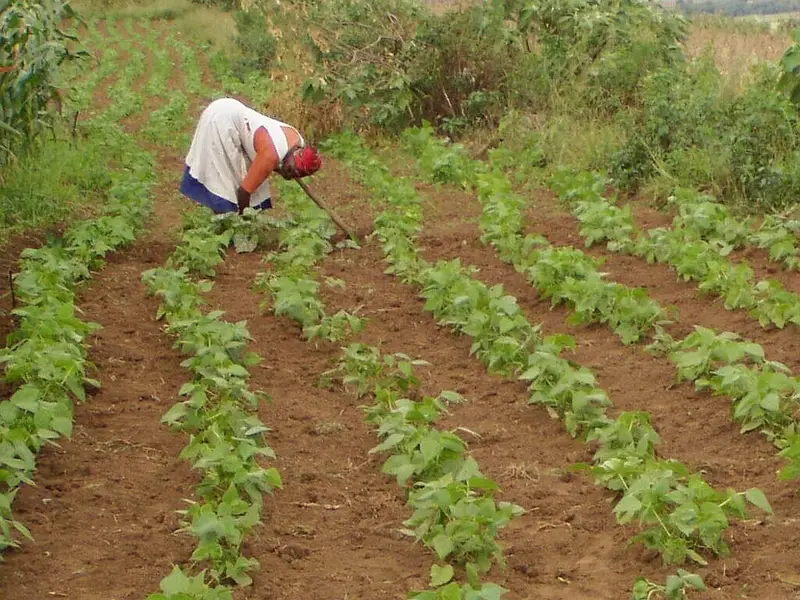
Study leader Ed Mabaya, a professor of global development at Cornell University in the United States, explained to Mongabay: “For most smallholder farmers in Africa, planting takes place once a season, often timed to the first rains. A farmer who buys counterfeit seed usually discovers it only after planting, when the seed fails to germinate or the crop grows poorly. By then, it is usually too late to replant, so the loss is not a slightly smaller harvest but potentially the entire season’s food and income.” This can lead to food insecurity both for the individual farmer and for local markets more broadly.
Mabaya said that counterfeiters can dye or repackage ordinary grain and sell it as branded, certified seed. “The problem arises because certified seed looks exactly like ordinary grain but sells for a much higher price, in some cases several times more for hybrid maize. This price difference creates a strong incentive for fraud,” he said.
Counterfeit seeds can also erode trust in the benefits of high-quality seeds; a farmer who has been burned once may stop buying improved seeds, slowing the adoption of climate-adapted varieties. Farmers may thus lose out on drought tolerance, disease resistance and better nutrition through crops such as maize enriched with vitamin A and iron-rich beans.
Mabaya stressed that combating counterfeit seeds requires a multilayered approach, including regular monitoring, inspections and market sampling by regulators. Seed companies must also report suspicious products. He recommended that governments develop public awareness programs to teach farmers how to identify certified seeds, where to buy them and how to report seeds that may be counterfeit. He also said governments need clear, up-to-date and enforced penalties so that counterfeiting carries a real cost.
Travis Lybbert, an agricultural economist at the University of California, Davis, in the United States, who works on seed quality issues in Africa but was not involved in the study, agreed that seed quality in general is a major problem across much of Africa. “Counterfeit seeds are part of that problem — in some countries they are a large part of the problem, but not in all. The study seems to capture that reality quite well,” he said in an email to Mongabay.
The research highlights how seed fraud is both an economic and a climate issue: if farmers lose trust in improved seeds, it also delays the spread of varieties that could help communities better withstand drought and disease in a warming climate.



Comments