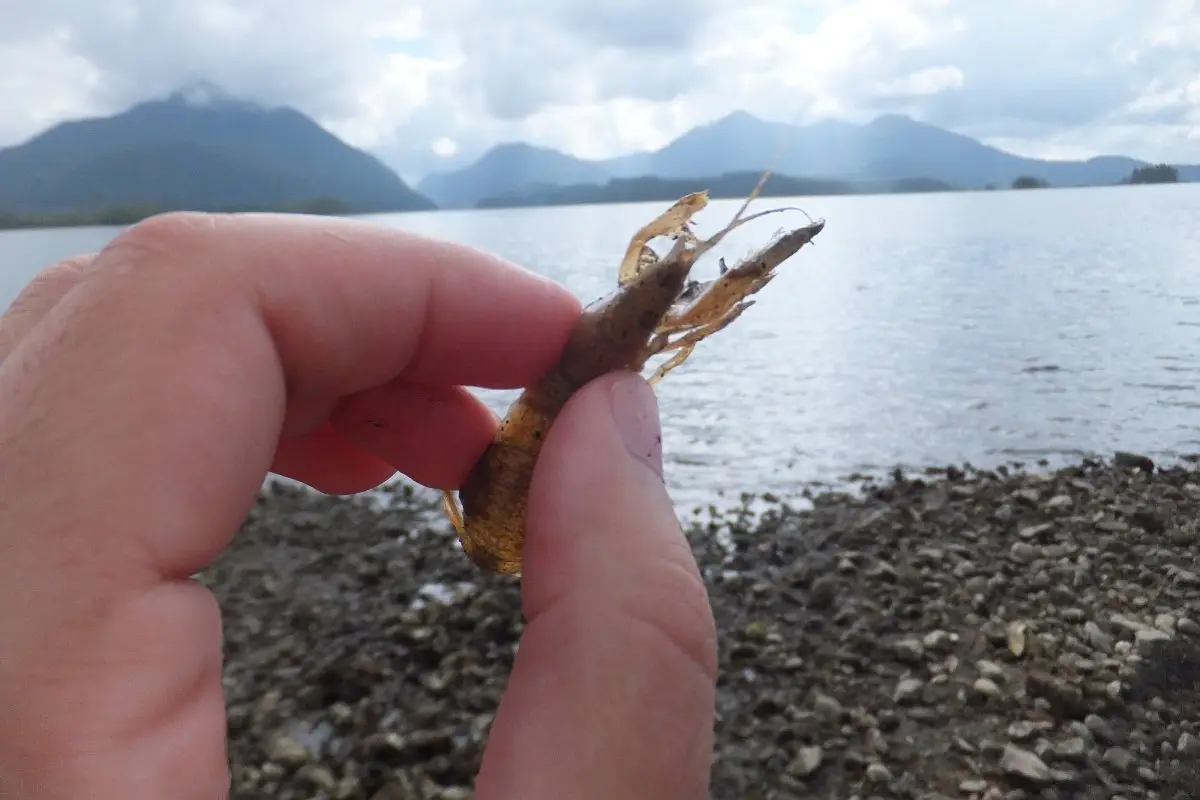
In Willapa Bay, Washington state, Jennifer Ruesink, a professor at the University of Washington, takes sediment samples from the intertidal zone and measures the density of ghost shrimp. In one square meter, she found 342 shrimp, although just 25 per square meter are enough to make the ground unsuitable for oyster farming. Willapa Bay is the most productive oyster-growing bay in the US, accounting for 10% to 20% of all American oysters. Ghost shrimp, a species native to the West Coast, dig burrows in the sediment and create quicksand that smothers oysters. Some estimate that they have made a quarter of the fishing grounds unsuitable for farming.
Over the past century, the state, the industry and scientists have tried many methods of managing the population: habanero extract, fire and electrocution. As Eric Wilson of Bay Center Farms says, “At last count, there had been about 96 different attempts at control, and none worked.”
Only pesticides proved reliable. Carbaryl was approved in 1963 and reduced shrimp populations by up to 95%. Growers sprayed it on the tidal flats every year. Wilson remembers from his childhood: “We piled the shrimp into heaps, and the gulls ate so many they couldn’t even fly.”
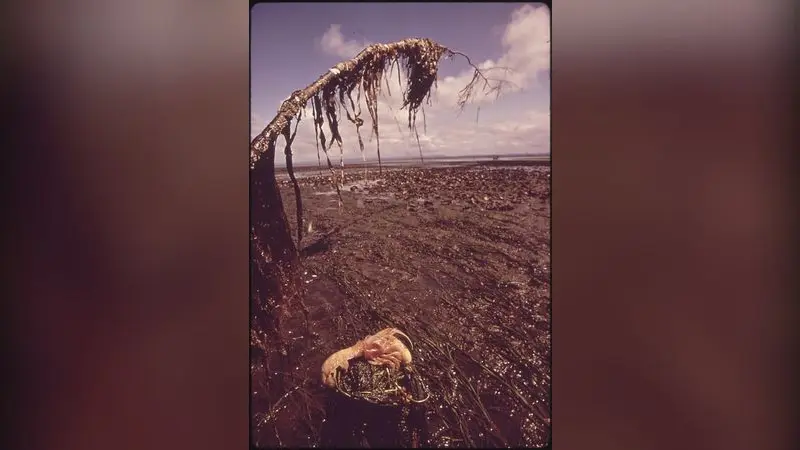
But carbaryl proved toxic to other marine species, such as salmon and trout, and killed species such as Dungeness crabs. Environmental groups filed a lawsuit, and its use was phased out by 2013.
After the ban, an estimated 607 hectares of tidal land, or $50 million in production capacity, were lost over a decade. Ken Wiegardt, a fifth-generation grower, says “several” family farms were forced to sell after their land became “useless”. “In 2010, our production capacity was 235,000 bushels of market-ready oysters; today it’s 70,000,” Wiegardt says.
For ecologists, ghost shrimp are “ecosystem engineers”. By eating organic matter as they burrow, they increase oxygen in the sediment, move material from deep below to the surface and contribute to carbon and nitrogen cycles. They are also a vital part of the food chain, feeding salmon, Dungeness crabs, sturgeon and gray whales. A study by Ruesink ten years ago found that there were 10 to 20 times as many shrimp as the sturgeon needed.
Despite their ecological services, growers consider their effects devastating. “Once the shrimp move in, it becomes a monoculture,” Wiegardt says. “There are no clams, no worms, no seagrass.” Studies have found that species diversity is greater in oyster beds than in shrimp beds.
Ruesink has developed a promising solution: vibrocompaction. Together with her husband, Alan Trimble, a former researcher at the University of Washington, she hypothesized that vibrating the mud at a depth of about 30 centimeters while compressing it from above would create a hard, impenetrable layer. “The moment of inspiration was realizing that these shrimp, which spend their whole lives digging, can be trapped down there,” Ruesink says. In trials, the shrimp became trapped beneath the hard layer of mud and died within a few days, producing results comparable to those of carbaryl.
Ruesink received a $300,000 grant from the US Department of Agriculture in September to continue the research at multiple sites through 2028. She will study whether the method harms clams, which are also farmed in the bay. However, she estimates that a machine capable of treating 40 to 80 hectares a year would cost about $2 million.
Meanwhile, some growers are exploring alternatives. One possible strategy is to track shrimp movements and place oysters along their retreating edge, but whether this is viable remains unknown; researchers have documented that the boundaries of shrimp beds retreat by 9 to 30 meters a year. Others are turning to floating cages, such as the FlipFarm system from New Zealand, which grows oysters for the half-shell market. But the transition requires significant investment: a basic installation costs about $30,000.
Wilson is sticking with growing oysters on the ground. “We’re in an industry where we have an 89.6% oyster mortality rate, and on top of that we have shrimp and now green crabs,” he says. “It’s been so difficult here for so long, but I think we have to accept it as normal. That’s farming, right?”
Comments