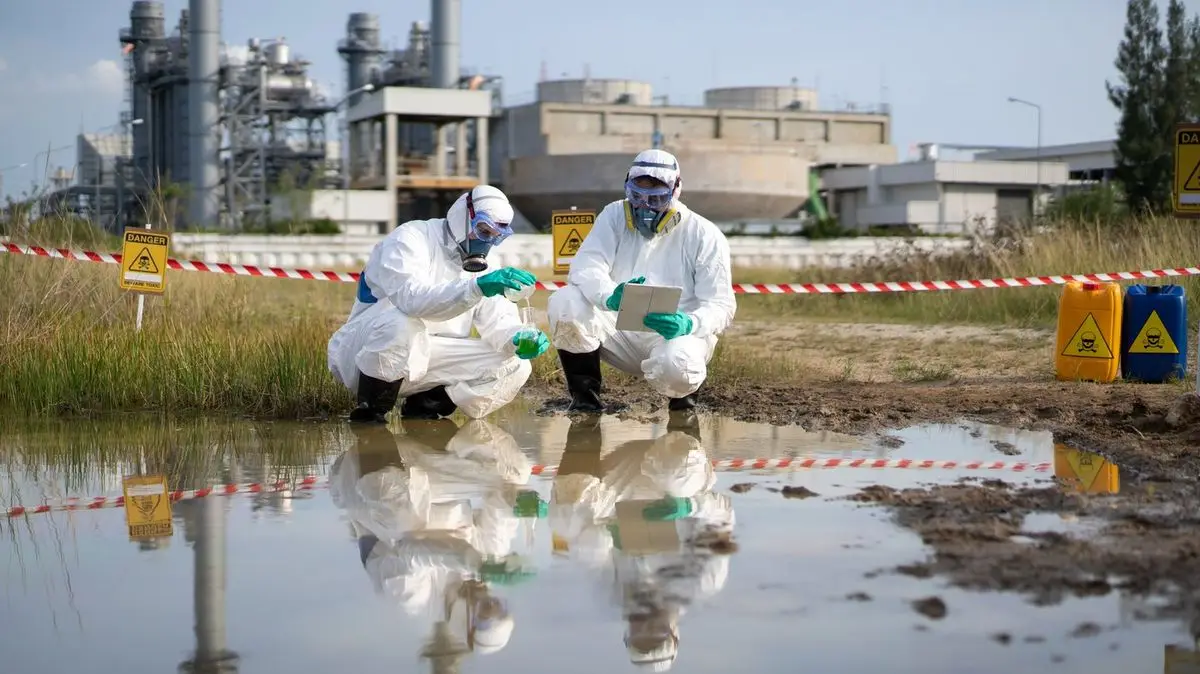
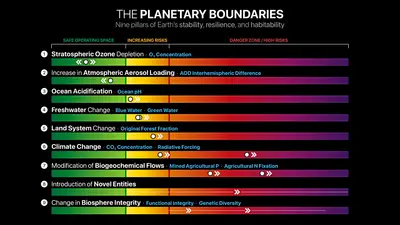
Seven of the nine planetary boundaries have now been breached, according to the Planetary Health Check 2026 report, compiled by a team of 60 scientists. The researchers warn that human activity has pushed Earth beyond the conditions considered safe for a stable and healthy planet. The pressure affects many of the environmental systems on which societies rely.
The boundaries that have been breached concern climate change, novel entities, biogeochemical flows, biosphere integrity, freshwater change, land-system change and ocean acidification. Only two remain within the safe zone: stratospheric ozone depletion and atmospheric aerosol loading. These refer, respectively, to the state of the ozone layer and the amount of airborne particles in the atmosphere.
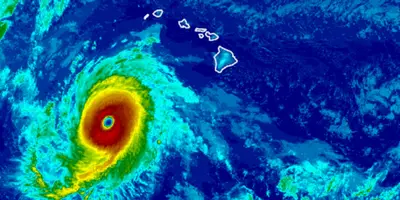
The authors say the consequences of breaching these boundaries are becoming increasingly apparent. According to the report, findings published over the past year show that climate change is progressing faster than previously expected. Scientists link it to unprecedented heatwaves on land and at sea, as well as devastating extreme weather events.
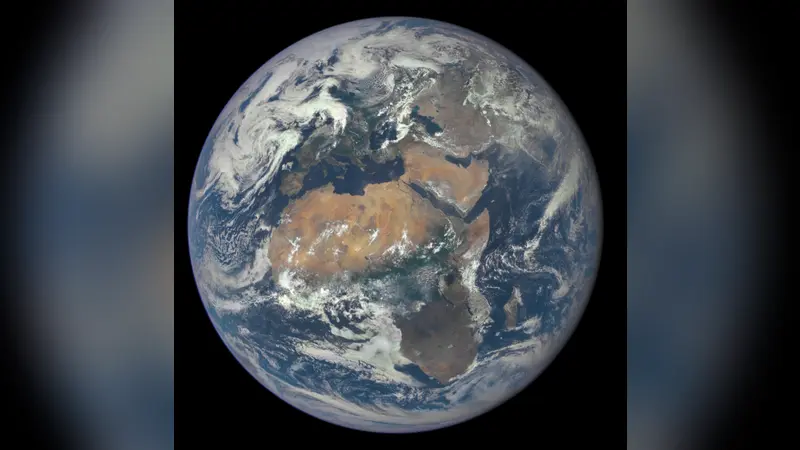
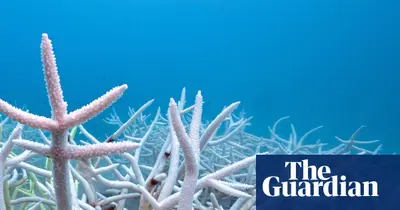
In the oceans, tropical coral reefs have suffered the most severe mass bleaching event on record, the report says. Meanwhile, the researchers now consider a shutdown of the Atlantic's main overturning circulation a real risk even under low to moderate emissions scenarios. They estimate that large ice masses in Antarctica may already have begun sliding toward the ocean.
According to the scientific team, the simultaneous breach of seven boundaries means that the environmental systems people depend on are being increasingly disrupted. The authors warn that, with so many factors outside the safe zone, the likelihood of severe and irreversible damage to key planetary functions has increased. They link this destabilization to greater risks for populations around the world.
Lead author Professor Carlos Nobre refers specifically to the Amazon. As he explains, if the forest crosses its critical tipping point, up to 70% could turn from tropical forest into dry tropical savanna. The estimate is presented as a possible consequence of crossing that point, with effects extending far beyond the region itself.
According to Nobre, such a change would have serious consequences for climate stability, food and water security, and human health worldwide, including through an increased risk of epidemics. Despite the warnings, the scientists stress that a window of time remains to reverse course. The report's editor, Niklas Kitzmann, told Live Science that both emissions and the degradation of nature must begin declining within the next few years.
Comments