The world's seas absorbed a record 23 zettajoules of heat in 2025, according to the 10th Copernicus Ocean State Report. That amount is nearly 40 times all the energy humanity used that year, leaving the waters warmer, higher and less hospitable.
The report records that sea levels have risen by about 3.8 millimetres a year since 1999, accelerating to 4.2 millimetres a year between 2012 and 2025. The global ocean has also become 17% more acidic over the past 40 years. The seas have absorbed about a third of the carbon dioxide humanity has emitted and about 90% of the extra heat greenhouse gases have trapped in the Earth system.
“The ocean is transforming before our eyes,” said Pierre Bahurel, director general of Mercator Ocean International, which published the report. “Warming, rising sea levels and ecosystem degradation are interconnected signs of a major, long-term change,” he added.
In Europe, which is warming at twice the global average rate, scientists found that the Mediterranean and Black Sea have suffered record marine heatwaves, with high temperatures persisting deep below the surface and extreme heat episodes lasting more than a month. A clear acceleration in sea level rise was recorded in the western Mediterranean, while the entire sea warmed by 0.32 degrees Celsius per decade, fuelling marine heatwaves, especially in recent years.
One zettajoule equals one billion trillion joules; one joule is the energy a one-watt device needs for one second.
The report comes as western Europe experiences an unusually hot September after a summer of devastating fires, with temperatures of 40 degrees in parts of Spain and Portugal. Warm coastal waters worsen heatwaves on land, adding heat during nights that would otherwise cool down.
Ángel Borja, a marine ecologist at the AZTI research institute in the Basque Country who was not involved in the report, said the effects have already been visible for years and will certainly increase. “But it seems to be a problem society tends to downplay,” he noted. “For example, the combined problems of rising sea levels and extreme events are eroding Mediterranean coasts — yet some people insist on rebuilding in places that will undoubtedly disappear.”
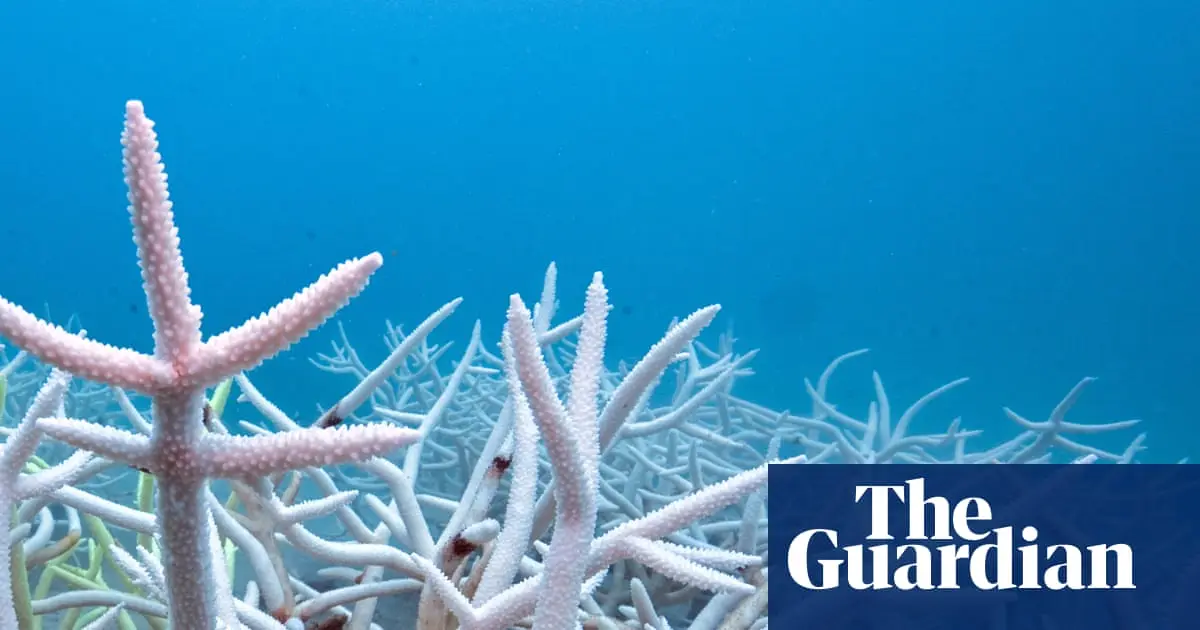
The report documents widespread damage to marine life. Between January 2023 and September 2025, 84% of the world's coral reefs experienced heat stress severe enough to cause bleaching. Over the past 30 years, nearly 5% of the ocean has seen a persistent change in the growth patterns of phytoplankton, the microscopic organisms that support food chains and regulate carbon flows. In Antarctica, four emperor penguin colonies recorded total breeding failure in 2022, during a period of historically low sea ice.
Meanwhile, separate Copernicus research found that this year's deadly mix of extreme heat and dirty air exposed more than a third of humanity to dangerous levels of ground-level ozone. The phenomenon, known as the “ozone–climate penalty”, results from chemical changes when certain pollutants are exposed to heat and sunlight. In the first eight months of 2026, just 5% of the global population was exposed to “good” ozone levels within World Health Organization limits.
Florian Pappenberger, director general of the European Centre for Medium-Range Weather Forecasts, which conducted the analysis, said the findings show that “air pollution knows no borders”. “Wildfire smoke, ozone and dust can travel thousands of kilometres, affecting communities far from their source,” he stressed. “As the international community prepares for COP31, these findings are a timely reminder that climate change, air quality and public health are deeply interconnected challenges that require coordinated global action.”



Comments