Addressing the original cause of a species' decline emerges as a key factor shared by successful recoveries in Canada, according to a study published in the scientific journal FACETS. The researchers found that funding and the organization of conservation efforts, on their own, did not clearly distinguish species that were improving from those that were declining. The results also show how limited progress remains: in one of the two analyses, only eight of 422 species achieved both a reduction in extinction risk and population growth.
Canada has the world's longest coastline, about 25% of the planet's boreal and temperate forests and wetlands, and at least 80,000 wild species. About one-fifth of these species face some risk of extinction. The country has pledged to halt and reverse nature loss by 2030 and achieve its full recovery by 2050, while the federal Species at Risk Act was enacted in 2002. These commitments coexist with the exploitation of fossil fuels, timber and minerals, with crude oil being the country's leading export.
To examine progress, the researchers used a previously unpublished database from the scientific committee COSEWIC, which assesses species' extinction risk in Canada. The first analysis drew on assessments of 1,174 species from 1978 to 2022 and focused on 36 of the species assessed earlier. The team examined their trajectories in relation to funding, recovery teams, the time taken to prepare plans and efforts to address the original threat. Of these, eight were now in a lower risk category, 14 remained in the same category and 11 had moved to a higher one.
The only factor that clearly distinguished the groups was whether the original cause of decline had been stopped. The cause had been largely or fully addressed for seven of the eight species that were improving, while for those that were declining it had been addressed only partly or not at all. By contrast, funding, recovery team size and the time taken to prepare the plan showed no statistically significant relationship with the outcome. The four best-funded species received more money than all the others combined, but only one, the wood bison, showed improvement.
The second analysis examined 422 species with at least two assessments between 2000 and 2019, applying a stricter definition of success: a lower risk of extinction together with an increase in population abundance. Only eight species, about 2%, met both conditions, while 55, about 13%, showed deterioration. According to the researchers, the difference from the first analysis's 22% improvement rate shows that a change in risk category does not always mean population growth. For a more detailed comparison, each successful case was matched with a similar species that had fared poorly.
In the 16 cases compared, overexploitation, such as hunting, was the most common cause of decline, followed by habitat loss. In successful recoveries, the original threat was usually addressed through strong regulations, followed by reintroductions, disease monitoring, invasive species control or captive breeding. One notable example is the end of wood bison hunting in 1893, when about 250 animals remained; by 1914, their numbers had doubled. Successful cases had more legal protections and practical interventions on average, 5.4 compared with 4.0, but their suitability also appears to be crucial.
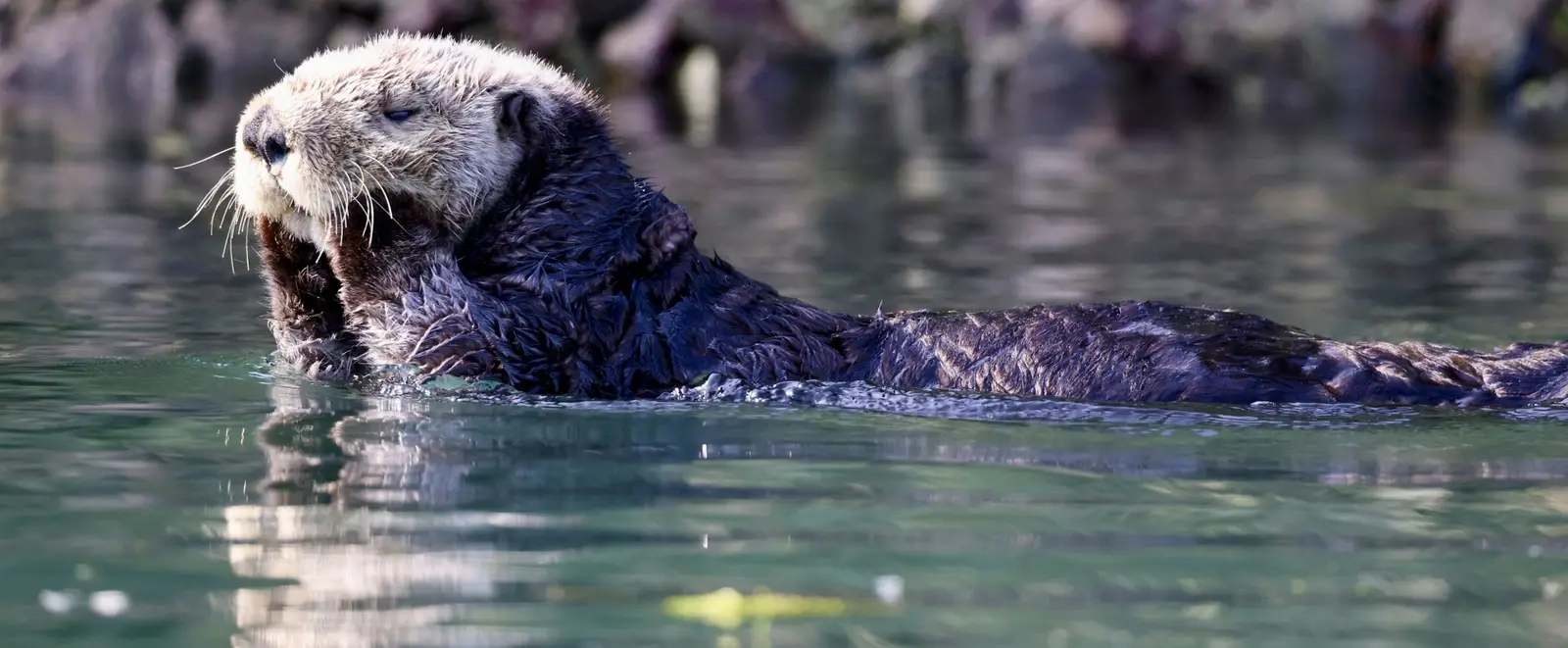
Habitat conditions explain why similar interventions can produce different results. Reintroductions into protected habitats helped sea otters and wood bison, while similar efforts for black-footed ferrets failed because there were not enough of their main prey, the black-tailed prairie dog. The authors propose coordination across levels of government, sectors and countries. They cite the simultaneous bans on the agricultural insecticide DDT in Canada and the United States in 1972, which helped peregrine falcons recover and paved the way for breeding and release programs.
Their proposals include reducing greenhouse gas emissions and maintaining connections between populations, including through mining bans in calving areas and movement corridors across the ice. They also call for monitoring actual population changes, noting that the proposed Nature Accountability Act of 2024 did not specify how outcomes would be measured. They also stress the need to plan the expansion of human settlements carefully and respect Indigenous communities' rights. Many First Nations, Métis and Inuit communities already lead recovery efforts, but sea otter and wood bison reintroductions largely took place without the consent or involvement of Indigenous rights holders.
The researchers clarify that the findings record patterns and do not establish causal relationships. The availability and consistency of information, the difficulty of comparing different taxonomic groups and the small sample of detailed cases limit the conclusions. Nevertheless, the successes show that recovery is possible through targeted, sustained efforts when threats are addressed and habitats are protected and improved.


Comments