
We live longing to be given the next step and the route to the horizon, soothing our anxiety with the illusion of a destination somewhere beyond the view of our present lives. But, as the essay notes, the harder reality is that death is the only horizon, with countless paths leading there — none repeated, all uncertain along the way and certain only in their arrival. That is why there are infinite kinds of beautiful lives; and why every life, even the most fulfilled, trembles with doubt and confusion.
Uncertainty, the text says, is the price of beauty, and integrity is the only compass in the terrain of uncertainty that makes up every life. The best we can do is walk step by step, each time choosing the next step that intuitively feels right, until one day, stopping to catch our breath, we turn around and see a path. If we have been lucky enough and willing enough to face uncertainty, it is our own unique path, one our anxious younger self never planned and no one else has walked.
In the recovery community, this approach is distilled into the phrase “do the next right thing.” The idea, as the article explains, appeared two years before Alcoholics Anonymous was founded, in a clear and generous letter written by the Swiss psychiatrist Carl Jung to an unnamed correspondent. On December 15, 1933, Jung replied to a woman who was seeking guidance, quite simply, on how to live.
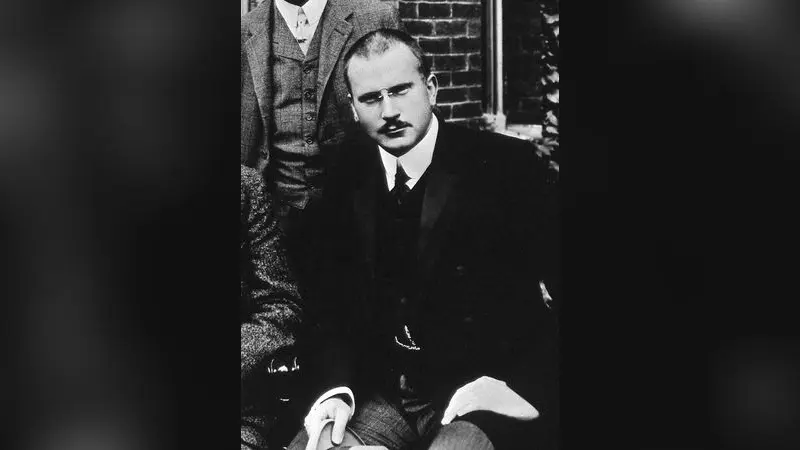
Jung wrote to her that her questions could not be answered because she wanted to know how one should live. “One lives as one can,” he pointed out. There is no single, fixed path prescribed for an individual or suited to them. If that is what someone wants, he added ironically, they would do better to join the Catholic Church, where they are told what is what. But if they want to follow their individual path, that is a path they make themselves: it is never predetermined, they do not know it in advance, and it simply comes into being as they put one foot in front of the other.
Jung’s central advice is that if we always do the next thing that needs to be done, we will walk with the greatest safety and confidence along the path defined by our unconscious. There is then no use reflecting on how we ought to live; we know that we cannot know, and simply go quietly about the next and most necessary thing. As long as we think we still do not know what that is, Jung observed, we still have far too much money to spend on useless reflection. But if we do the next and most necessary thing with conviction, we are always doing something meaningful and destined by fate.
Two months later, in another gesture of generosity, Jung explored the same idea further in a reply to a man who had approached him in deep anxiety and distress, feeling that he had lived his life wrongly. “No one can put right in a few words a life that has gone wrong,” he wrote. “But there is no pit you cannot climb out of, provided you make the right effort in the right place.” When someone is in such a mess, he added, they no longer have the right to worry about the foolishness of their psychology; they must do the next thing with diligence and dedication and earn the goodwill of others.
In every little thing done this way, Jung wrote, we find ourselves. Everyone needs to do it the hard way, always through the next, smallest and most difficult things. This advice echoes Nietzsche’s earlier exhortation that no one can build you the bridge over which you, and you alone, must cross the river of life.
The essay closes by pointing to companion pieces on how to live and how to die, Darwin’s reflections on what makes life worth living, and Jung’s thoughts on life and death and his collaboration with the physicist Wolfgang Pauli, which gave rise to the concept of synchronicity. The central message remains practical: in the face of uncertainty, the next right thing is often all we need to do.


Comments