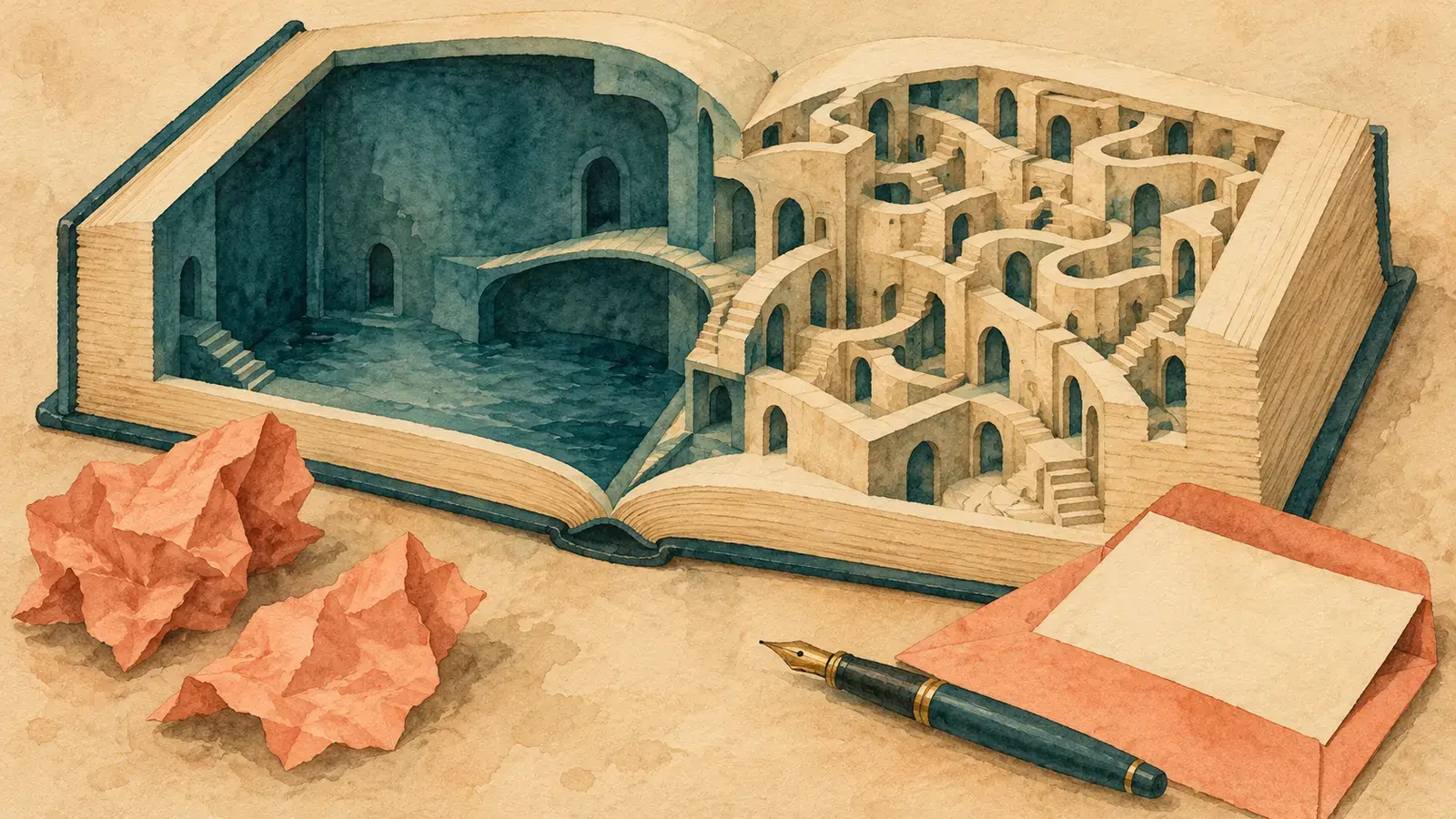
“Stop! I can’t think this fast! Or rather, I can’t grow this fast!” the young Susan Sontag wrote about the pleasure of rereading.
This phrase fits perfectly with the case of James Joyce’s Ulysses, a 735-page novel serialized from 1918 to 1920 and published in full by Sylvia Beach on February 2, 1922, Joyce’s fortieth birthday. The narrative stretches a single day—June 16, 1904, in Dublin—across hundreds of pages of stream of consciousness. That is why it is one of those books that few begin, even fewer finish, and hardly anyone rereads. Marilyn Monroe did all three.
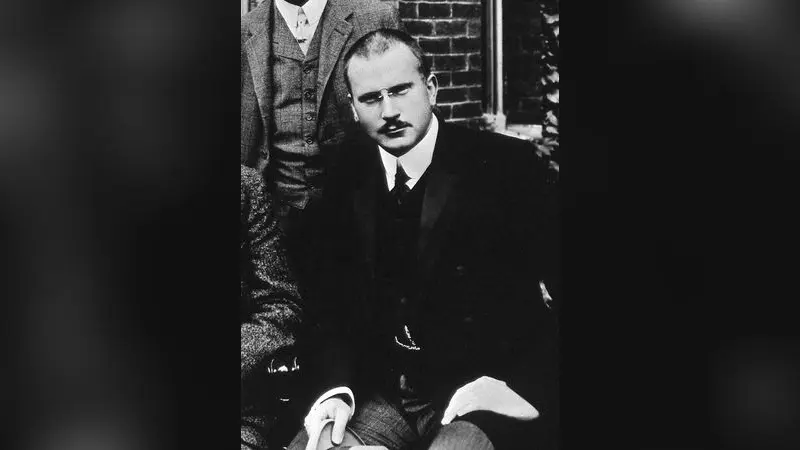
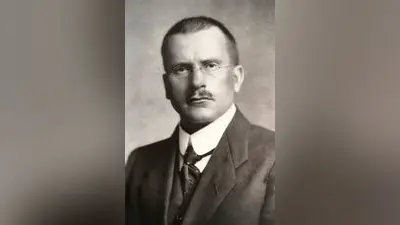
Ten years later, in September 1932, Swiss psychiatrist Carl Jung, the founder of analytical psychology, published a scathing review in the German journal Europäische Revue. Jung does not deny Joyce’s genius, but the experience of reading infuriated him. He writes that the book flows relentlessly like a river of time encompassing seven hundred and thirty-five days, all contained in a single, meaningless, ordinary day in the life of Everyman. He adds that there is not a single “sacred island” where the weary reader can rest.
Jung describes the work as an “utterly brilliant and devilish monstrosity” in terms of technique, but stresses that a “hopeless emptiness” dominates it. The flow begins and ends in the void and, as he says, “consists of nothing but nothingness.” In the final forty pages, its speed increases so much that it sweeps away even the punctuation, which for Jung expresses this emptiness in the harshest possible way.
This reaction seems natural for a thinker who believed that “a person cannot endure a life without meaning.” His irritation culminates in a personal story: an uncle told him that the devil tortures souls in hell “by making them wait.” This came to mind when he first read Ulysses, because every sentence creates an expectation that goes unfulfilled. In the end, he writes, the reader no longer expects anything, yet a hidden expectation battling despairing resignation draws them from page to page. He himself reached page 135 with despair in his heart and fell asleep twice along the way.
Yet what gives Jung’s indignation humanity, integrity, and a strange sweetness is the letter he sent Joyce on September 27, 1932, almost immediately after the review was published. He writes that Ulysses presented the world with such an unsettling psychological problem that he was repeatedly called upon as a supposed authority on psychological matters. He admits that the book caused him enormous difficulty and that he had been “stewing” it in his mind for about three years before he managed to find his way into it.
In the same letter, however, Jung reveals the other side: he writes that he is deeply grateful to Joyce and his “gigantic work,” because he learned so much from it. He is unsure whether he enjoyed it, because it required “a great deal of grinding of nerves and gray matter,” but describes the final forty pages of uninterrupted flow as “a string of real psychological peaches.” He adds humorously that “the devil’s grandmother probably knows that much about the actual psychology of a woman; I certainly don’t.”
Jung closes the letter by introducing his essay as an “amusing attempt by a complete stranger who got lost in the labyrinth” of the book and managed to find his way out by sheer luck. He notes that Joyce can see from the article what Ulysses did to a supposedly balanced psychologist.
Joyce, for his part, seems to have appreciated the honesty of the gesture and Jung’s ability to criticize while also acknowledging the art that transforms him by unsettling him. Two years later, the relationship also took on a practical dimension: Joyce sent his daughter Lucia to Jung for treatment, and he was the first to correctly identify her symptoms as schizophrenia and ensure that she received appropriate psychiatric care. Thus, the story of the review and the letter shows that even the most intense intellectual irritation can coexist with genuine respect, and that great art often changes us precisely because it first unsettles us.
Comments