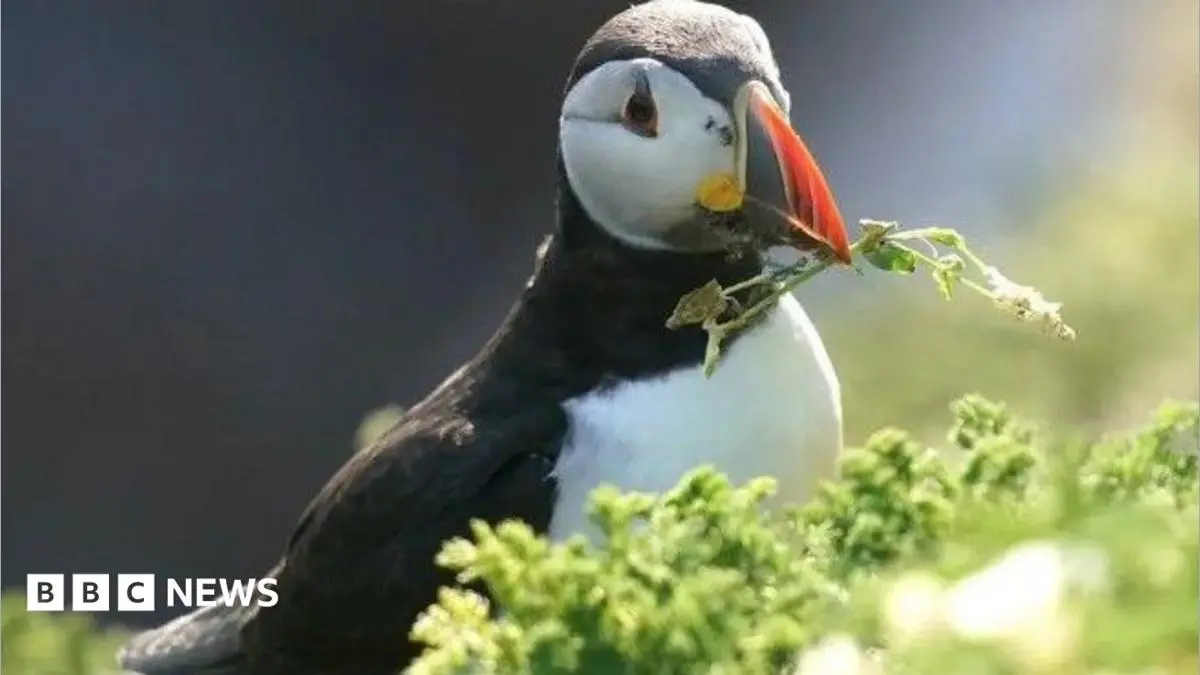
Lundy island in the Bristol Channel, known for its puffins and rugged landscape, is on the brink of evacuation as water supplies have fallen to their lowest recorded level. The 28 permanent residents have been battling since the summer to keep the taps from running dry on an island that, until recently, was considered self-sufficient in water. Lundy, owned by the National Trust and managed by the Landmark Trust, relies on rainwater and boreholes in the granite.
But according to chief executive Derek Green, there has been no significant rainfall since April, and the island has received just 20% of the typical 1.5 meters of rainfall expected by this time of year. Reservoir levels fell to 13% at their lowest, forcing emergency water deliveries from the mainland. Since August, the passenger ship MS Oldenberg has been carrying water from north Devon: the first delivery was around 67,000 liters at a cost of about 7,000 pounds, while 4,000 liters have since been delivered three times a week. Residents use between 9,000 and 11,000 liters a day.
Getting the water from the harbor to residents is no easy task: the island has just one unpaved granite road and a few vehicles, while a landslide in June closed part of the road to the village at the top of the island, around 120 meters above sea level. “We have to unload the tanks from the ship and take them to a point halfway up the hill. We then pump water through a fire hose past the vulnerable stretch of road,” Green explains.
The island has now reached the point of drawing water from ponds used by wildlife and sending it to a treatment plant. “Bringing water from the ponds is something we have never done before,” Green says. “It really is our last resort. If we weren't doing this, we would be facing the reality of closing Lundy... it would be devastating for us.”
Water restrictions are strict: bathtub plugs have been removed so visitors are not tempted to take a bath, the island pub's toilets have been closed, and visitors are directed to toilets behind the buildings that are not connected to the main system. “People are showering with buckets to collect the water and then using it to flush the toilets,” says island manager Matt Scandlbury.
Using pond water has helped reservoir levels recover somewhat, to 23.7%, but Green stresses that residents are simply “praying for rain”. BBC meteorologist David Braine says some rain is forecast, but it will take weeks to replenish groundwater and reservoirs. Green, who has worked on Lundy since 2004, says water shortages have become more frequent and that the island also considered closing in September 2025, when levels reached 33%.
Assistant warden Tara McEvoy-Wilding describes the vegetation as “brown, sad and dry” and says: “This year feels like the first year when people are really noticing climate change.”
The island, which is home to puffins, seals and abundant wildlife, as well as a working farm with animals that need water every day, faces the possibility of being evacuated for the first time in its history. “We are in real danger right now if it doesn't rain very, very soon,” Green says.
Comments