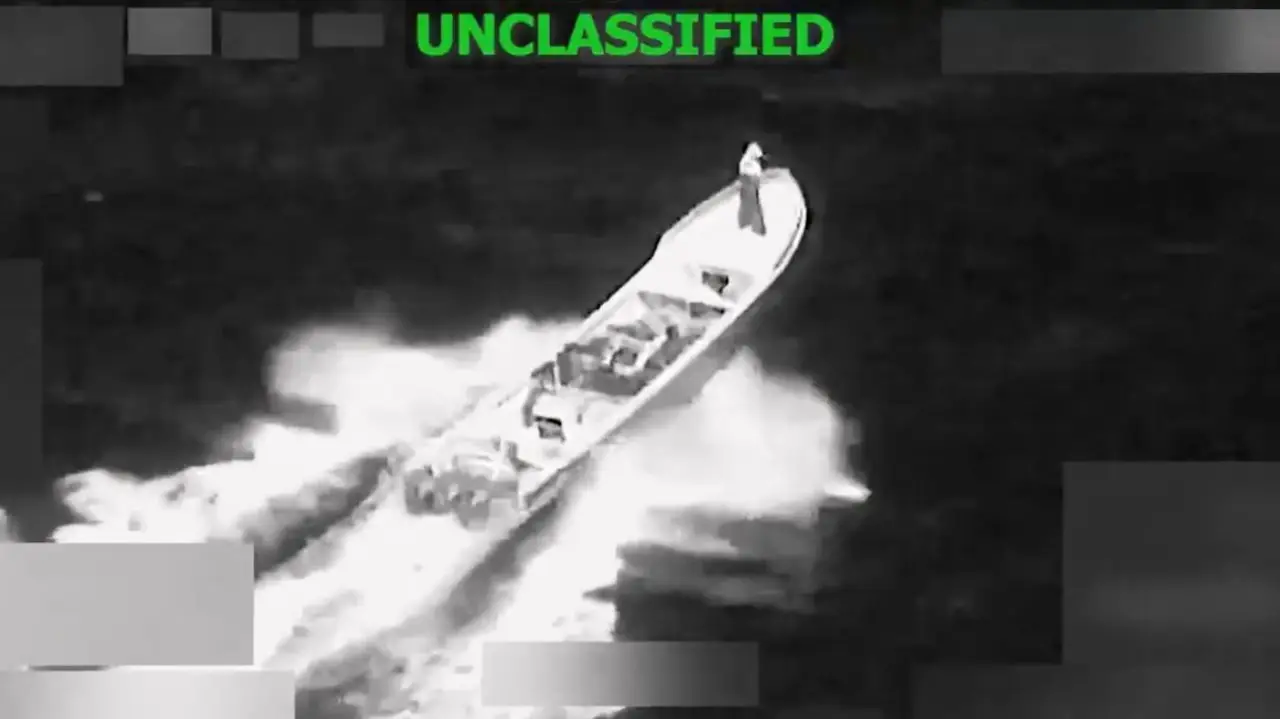
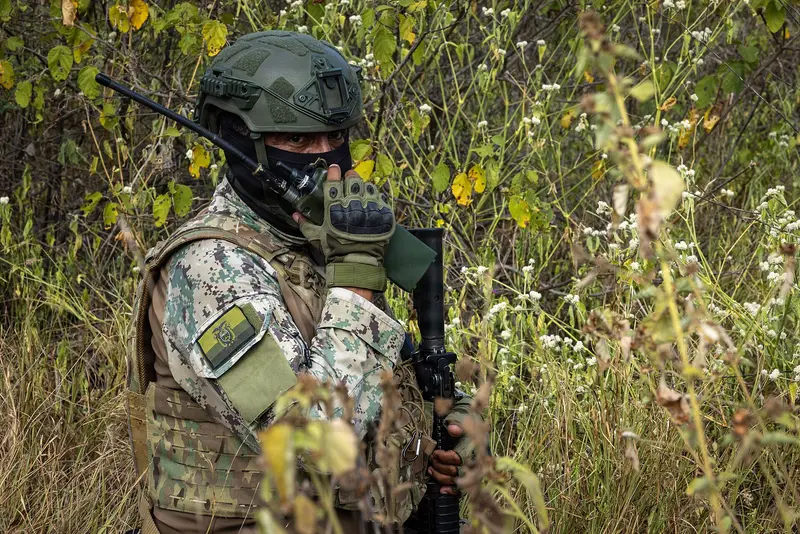
The Pentagon is expanding the US military’s campaign against drug cartels on multiple fronts in South America, with US special forces now also taking part in ground operations on Ecuadorian soil. Two weeks ago, around 50 US military personnel and law enforcement officers took part in raids by Ecuadorian police against suspected drug traffickers.
The commander of US Southern Command (Southcom), General Francis Donovan, described the “Offensive Campaign Plan,” which focuses on five key areas: dismantling illicit networks, disrupting their logistics, preventing them from regrouping, strengthening partners’ sovereignty and building a strong coalition. The aim, he said, is to exert “comprehensive systemic friction” against networks now described as “hemispheric threat networks” rather than individual terrorist organizations.
The US has designated 20 Latin American cartels and criminal groups as foreign terrorist organizations and has launched kinetic operations across the continent since last autumn. The Trump administration has also deepened defense cooperation with countries in the region, creating the Americas Counter-Cartel Coalition (ACCC) with 19 members. Guatemala and Honduras have already sent letters requesting joint operations.
US forces have carried out at least 71 strikes and killed 239 people whom the US describes as “narco-terrorists” since September 2, 2025.
These attacks have drawn strong criticism: experts in the law of war describe them as summary executions, while Benjamin Gedan, director of the Latin America program at the Stimson Center, argues that the strategy rests mainly on “mislabeling drug gangs as terrorists and blowing things up.” Gedan points out that, in the past, the US tackled organized crime in the region by strengthening criminal justice institutions — courts, prosecutors and police. The current approach, he says, “produces content for social media, but will do little to disrupt the drug barons responsible for the chaos in Latin American communities and the region’s epic struggle with public corruption.”
Despite the criticism, former acting DEA chief Derek Maltz defends the aggressive tactics, arguing that synthetic drugs have “destroyed” American communities and families on a scale never before seen in US history. “You have to be aggressive against terrorists because they are destroying our future,” he said, predicting that operations would soon also take place inside Colombia.
The campaign appears to have reduced the flow of cocaine to the US: traffic by boats carrying cocaine bound for the US has fallen by 30% to 60% in the Eastern Caribbean, the Western Caribbean and both Eastern Pacific corridors, according to the senior Pentagon official. The Pentagon has also moved some MQ-9 Reaper drones from Africa to Ecuador and Colombia, according to a New York Times report.
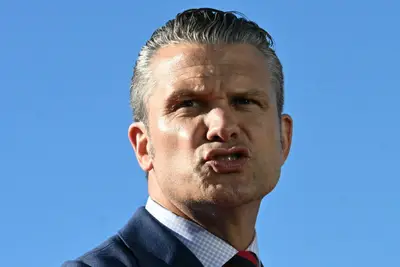
Defense Secretary Pete Hegseth said over the weekend that some US troops could be moved from Europe to the Western Hemisphere, reiterating that the US military is “at war” with drug cartels and describing them as “the ISIS and Al-Qaeda of our hemisphere.” Efforts are underway to direct additional resources to Southcom, including personnel, equipment and funding.
Adam Isacson, director of Defense Oversight at the Washington Office on Latin America, warns that ground operations are likely and could take place along the Ecuador–Colombia border. He also points to the risk of escalation: “If they start stirring up hornets’ nests with the armed groups operating in the border region with Venezuela, those groups could become enraged on the Venezuelan side.”
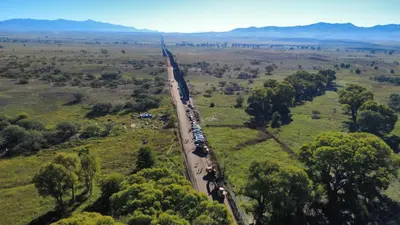
The Pentagon is also considering the Guatemala–Mexico and US–Mexico borders as possible areas for future military operations.
Comments