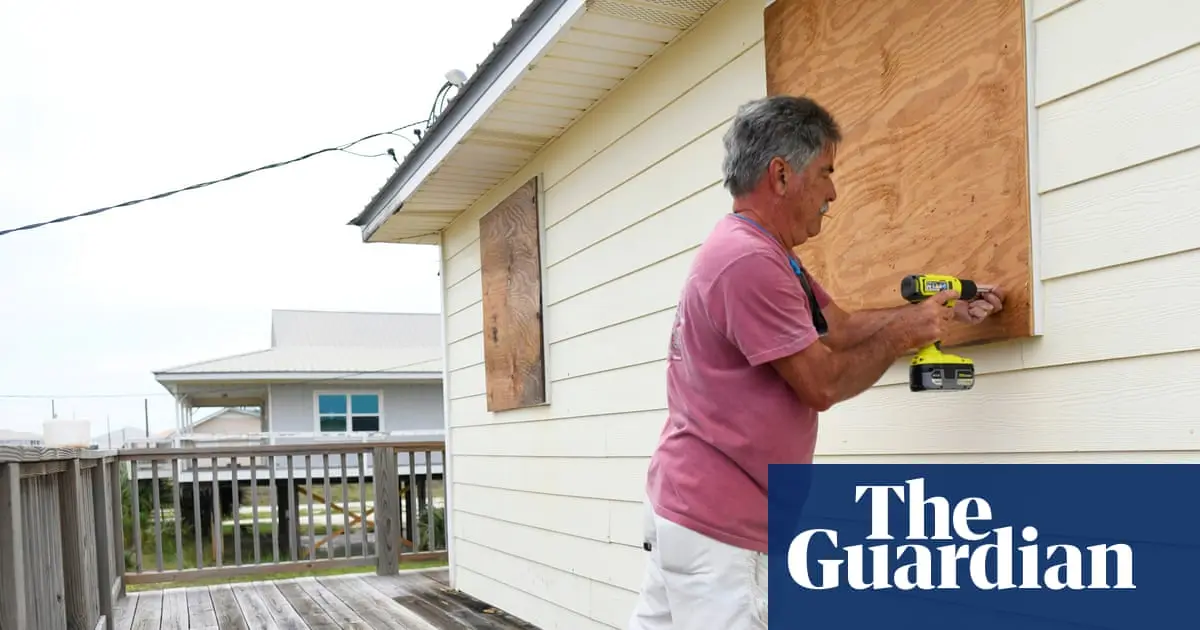
Isaias has become the first hurricane of the 2026 Atlantic season and is heading towards the northern US Gulf Coast. According to the US National Oceanic and Atmospheric Administration (NOAA), it is expected to strengthen into a category 2 hurricane as it approaches the coast on Friday. Its winds are blowing at 80 miles per hour, and the minimum atmospheric pressure in the system is 975 millibars.
Landfall is expected on Friday evening, local time. Forecasts indicate 75 to 150 millimetres of rainfall along the Gulf Coast, with some locations potentially receiving 250 millimetres. These amounts bring the risk of flash flooding and, in some places, river flooding.
NOAA also reports an increasing likelihood of life-threatening storm surge in parts of the northern Gulf Coast. Destructive hurricane-force winds are expected in areas of northwestern Florida, southern Alabama and Mississippi. A hurricane warning has been issued, and residents are being urged to prepare for prolonged power outages and follow any evacuation orders.
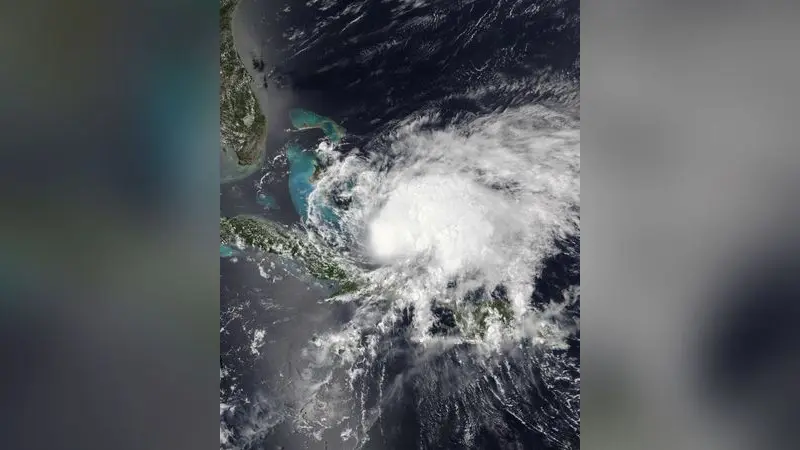
This year's Atlantic hurricane season has been particularly quiet because of strong El Niño conditions. The first hurricane had not arrived this late since 8 October 1905. The historical comparison does, however, require caution: 1905 predates satellite monitoring, which began in the 1960s and allowed more hurricanes that did not make landfall to be detected.
In Zimbabwe, a severe hailstorm caused extensive damage to homes and critical infrastructure in the southeastern province of Masvingo. A state of disaster was declared in the area on Tuesday. According to preliminary estimates, 8,500 homes lost their roofs, while another 15,300 people reported broken windows.
The damage to homes leaves many people exposed to the elements as the rainy season begins. The country's electricity infrastructure also suffered serious problems. The disruptions affected drainage and sewage systems, raising public health concerns.
In Australia, a rare tornado struck the town of Ulladulla, about 230 kilometres south of Sydney, on 3 October. It damaged properties and brought down trees. Tornadoes are relatively rare in Australia, where about 50 are recorded each year.


Comments