On October 6, 2026, the US Food and Drug Administration (FDA) completed its investigation into the outbreak of the Cyclospora parasite that spread across the country over the summer, finding stronger evidence that it originated in iceberg lettuce produced at specific Taylor Farms facilities.
On Friday, the FDA reported that it had identified several farms and a processing facility in Mexico that produced the recalled Taylor Farms lettuce. The agency cannot say with certainty what caused the contamination, but it found positive Cyclospora samples in a tank containing wastewater discharged from the processing facility and in a drainage ditch at an iceberg lettuce farm.
Federal agencies had previously said that many cases were likely linked to a Taylor Farms facility in Mexico, based on interviews and traceback data. The new finding is the strongest evidence linking the outbreak to that facility.
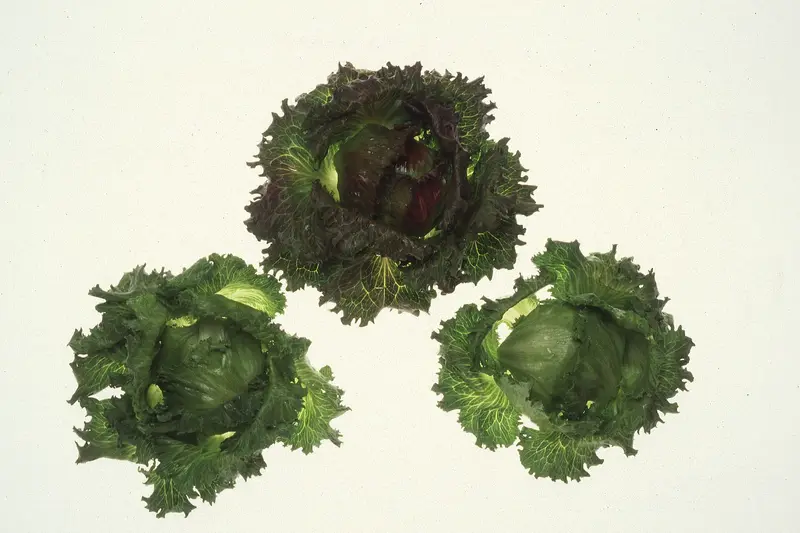
The US Centers for Disease Control and Prevention (CDC) had declared the outbreak over on September 11, following a summer with a record number of cases. A total of 19,883 Cyclospora cases were confirmed nationwide, a sharp increase over previous years, while two people died.
Nearly 13,000 illnesses were linked to the recalled iceberg lettuce alone. In an online statement, Taylor Farms said that the grower where the positive sample was found was no longer part of its supplier program.
Following the severe outbreak, many consumers became more wary of the safety of the food system, while major lettuce producers and restaurant chains serving salads recorded losses over the summer. In response, the FDA announced that it would increase surveillance and outreach to limit future Cyclospora outbreaks.
The plan includes ten actions before and during the 2027 growing season, including a report examining potential factors behind the contamination of the recalled lettuce and recommendations for prevention. The FDA will also work with Mexico to strengthen growers' education and training in food safety.
Brian Ronholm, director of food policy at Consumer Reports, said the plan seemed like an admission that the response and investigation had not gone as smoothly as they could have. He described the outbreak as a “milestone” for government and industry and expressed hope that it would serve as a wake-up call to invest more resources and staff in food safety.
Public health groups pointed out that the traceability rule delayed by the Trump administration could have sped up the investigation and removed contaminated food from shelves sooner. The FDA's plan includes more outreach in the US and abroad on food safety requirements, including the traceability rule. Ronholm stressed that the rule must be implemented without further delay.
Bill Marler, a food safety lawyer representing hundreds of people who fell ill, wrote that the federal government should fund a routine test for the parasite in water before the next growing season, enforce the traceability rule and strengthen inspections.


Comments