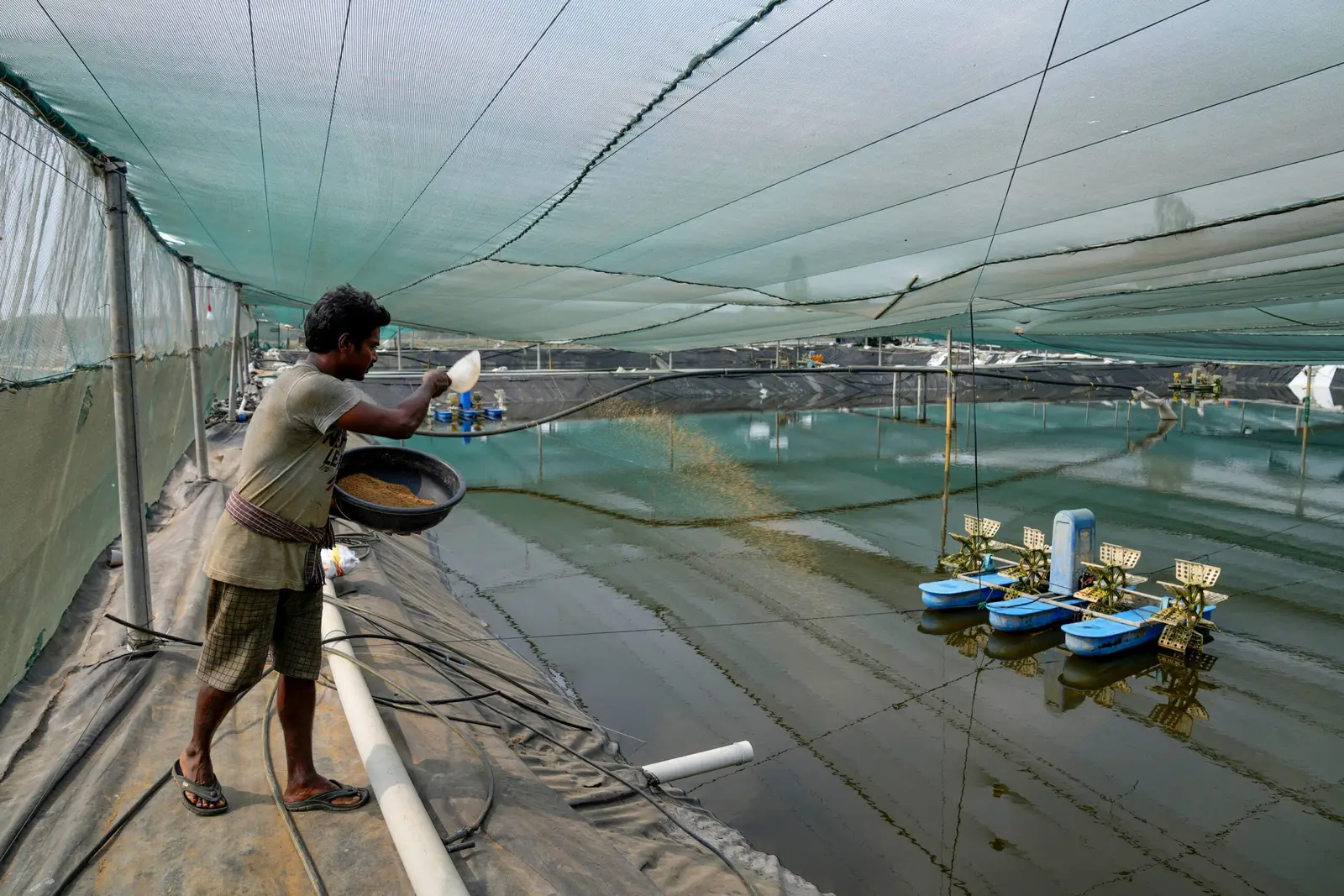
Authorities in the Indian state of Goa approved the operation of a new fishmeal factory in Cuncolim in February 2026, overriding the municipality's opposition and despite strong local resistance. The decision highlights the costs of an industry that supplies fish farms but faces allegations of pollution and dangerous working conditions. According to an investigation by the Outlaw Ocean Project, published in an adapted version by Mongabay, at least 30 Indian factories were linked to environmental or other legal violations between 2018 and 2024, while at least 18 incidents of social unrest were recorded.
Marine Impex Pvt. Ltd. submitted its proposal to the municipality in August 2025. The 1.6-hectare facility is expected to process at least 2,400 tonnes of fishmeal a month. Fishmeal is made from wild fish that are cooked and ground into a protein-rich powder for animal feed, including feed for farmed shrimp and salmon. Residents, environmental activists and local politicians opposed the plan, citing their experience of foul smells from existing factories.
The industry has more than 70 plants in India and sources fish from hundreds of fishing vessels, mainly in coastal waters. In 2024, it generated annual revenue of $200 million and employed tens of thousands of people in fishing, processing and related services. It also provides tax revenue and supports seafood production to meet growing global demand. However, the four-year journalistic investigation argues that much of the social and environmental cost falls on poorer communities, far from the markets where the final products are consumed.
For people living near the factories, the stench affects both daily life and the local economy, driving visitors away from beaches and restaurants. The report describes emissions of substances such as ammonia and hydrogen sulfide, which are associated with serious health risks, ranging from nausea to pulmonary edema. In 2025, more than 285,000 people, including over 6,400 children under 15, lived within 1.6 kilometres of fishmeal plants. These figures describe how close communities are to the facilities; they do not constitute a record of illness among all these residents.
Risks inside the plants include suffocation, fires and explosions. In December 2021, a migrant worker at Bismi Aquatic Products died after fumes caused him to lose consciousness while cleaning a wastewater tank and he fell inside. Two colleagues who tried to save him were hospitalized. The authorities brought criminal charges over inadequate safety measures; the company responded that the worker had not followed protocols, that it had improved its safety instructions and that it had compensated his family. At a separate company, Bismi Fisheries Private Ltd., a boiler explosion in February 2022 killed two migrant workers and injured three others, also leading to negligence charges.
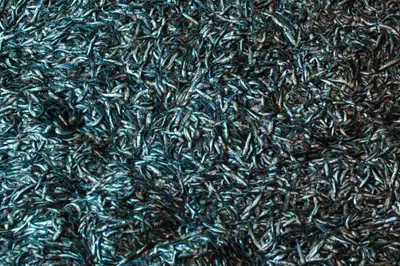
The investigation also identifies problems at sea: about one-third of the fish caught in Indian waters goes into animal feed production. The plants mainly process small pelagic fish, which are important to marine ecosystems, while many of the vessels supplying them are accused of illegal or unsustainable practices. A 2021 study classified Indian sardine and Indian mackerel stocks as overfished. More recent assessments, including one from 2024, recorded a substantial increase in sardine biomass and fluctuating increases for mackerel, but scientists warn that large changes make it difficult to assess their long-term status.
The use of these catches is also linked to access to food. Many of the fish turned into fishmeal could be eaten locally, while almost all of India's farmed shrimp is exported because it is too expensive for local buyers. Researchers and ocean conservation organizations criticize this transfer of food resources from poorer countries into seafood production for wealthier markets. The journalistic investigation traced these supply chains from fishing vessels to retailers.
In the village of Pottalurani in Tamil Nadu, residents protested for more than 175 days in 2024, demanding the closure of three fishmeal and fish oil plants. They reported unbearable smells and contamination of air, water and soil, saying their groundwater had deteriorated over four years. Their actions included boycotting local elections and holding assemblies that passed resolutions against the factories. A violent clash with the authorities took place in May 2024, while the transfer of a teacher involved in organizing the protests was described by local media as retaliation.
In Karnataka, the pollution control agency issued an order in 2022 against Mukka Proteins and other plants over violations of water and air legislation; Mukka Group said it had strengthened monitoring and upgraded its wastewater treatment and odor control systems. In Goa, authorities discovered wastewater being discharged through concealed boreholes behind a United Marine Products facility in 2020. According to local reports, the charges were dropped a few weeks later, allegedly following political and business pressure. The company responded that the authorities' investigation had found the allegations of illegal boreholes within its premises to be unfounded.
Despite the opposition, the Indian Marine Ingredients Association aims to triple production in the coming years and argues that the industry uses waste that would otherwise cause pollution. In 2024, the government announced plans to lift the moratorium on new factories, paving the way for further expansion. The permit in Cuncolim requires harmful gases to be treated using scrubbers and biofilters. Local opponents, however, see the approval as a sign of failed environmental governance, as documented violations coexist with state support for the industry's growth.



Comments