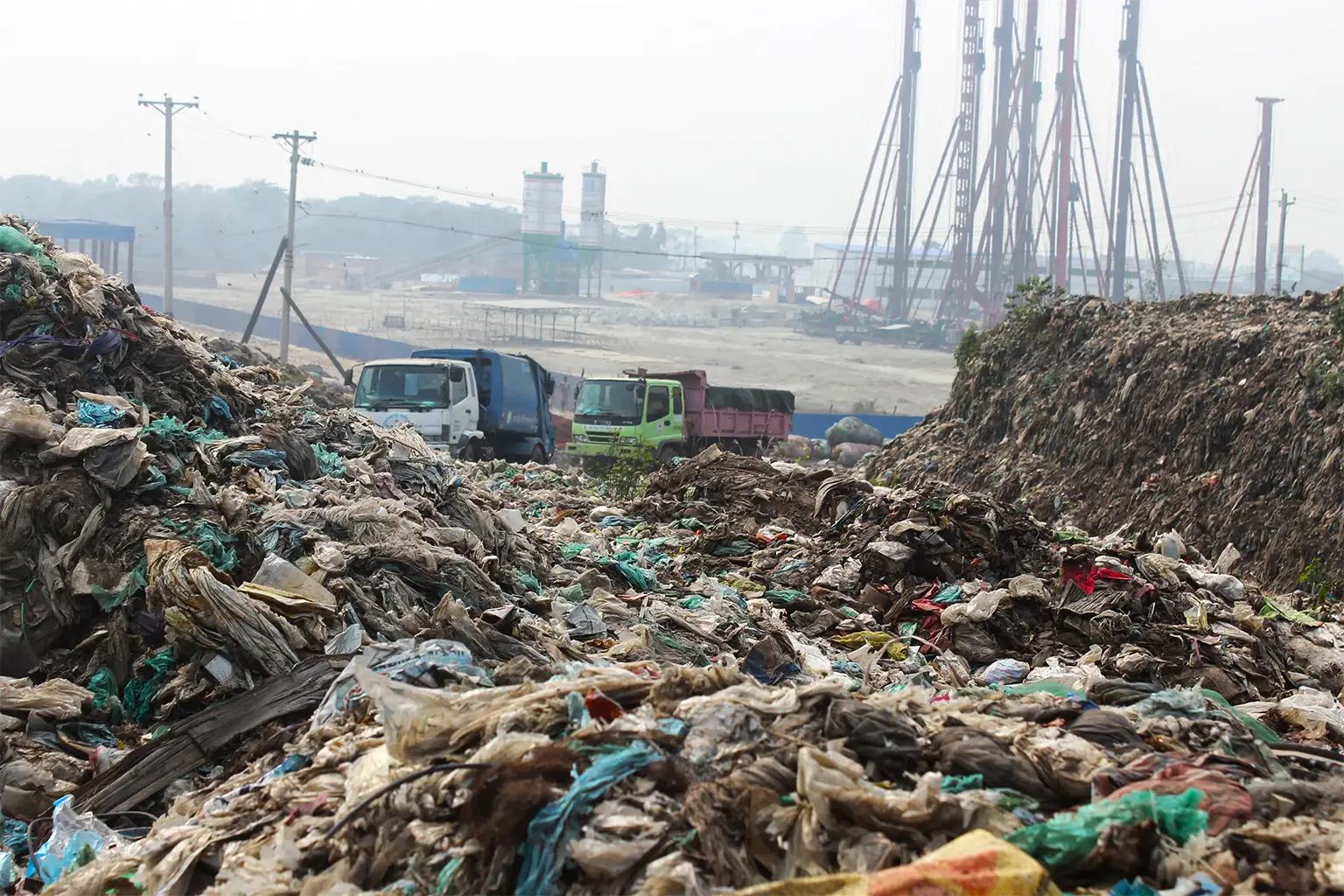
Construction of a plant that will burn waste to generate electricity near Bangladesh's capital, Dhaka, is facing strong opposition from neighboring communities. Residents and environmental organizations are calling for the project's cancellation, fearing that air pollution from its operation will harm their health. Authorities, however, argue that the facility is essential to address the buildup of waste in the city.
The $467 million project is being built next to the Aminbazar landfill in Savar, in Dhaka district. The municipal authority, Dhaka North City Corporation, oversees the project, while its owner is China Machinery Engineering Corporation (CMEC), with support from multilateral financial institutions based in China. The plant is designed to incinerate up to 3,000 metric tonnes of municipal waste a day and generate up to 42.5 megawatts of electricity. Completion is scheduled for December 2028.
Densely populated communities and several schools lie less than a mile from the facility. Local farmers told Mongabay that uncontrolled fires in the landfill's waste are already making their work difficult and affecting their well-being. Md Naim, who grows rice and vegetables near the site, described breathing difficulties, ash in his nose and headaches from the smoke while working in the fields.
According to the project's environmental impact assessment, the incinerator will produce 74.8 metric tonnes of fly ash a day, which can remain suspended in the air. A separate analysis by environmental organizations estimates that the plant will produce 73,576 metric tonnes of solid waste annually, along with 39.56 metric tonnes of toxic substances, including dioxins, furans and heavy metals. These are projections concerning the facility's future operation.
Hasan Mehedi, secretary of the Bangladesh Working Group on Ecology and Development (BWGED), warns that regular operation of the plant could increase respiratory problems, eye irritation, fatigue and long-term effects from continuous exposure to pollution. He says children and older people will be particularly vulnerable. BWGED supports residents calling for the project to be stopped.
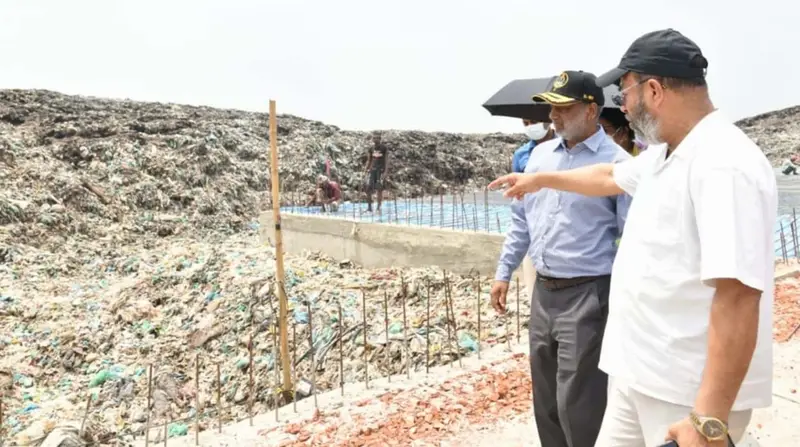
The government's main argument is the severity of the waste problem. During a visit to the construction site on July 1, Mir Shahe Alam, deputy minister for Local Government, Rural Development and Cooperatives, argued that municipal waste has become a serious obstacle to Dhaka's functioning. He said the large volume of rubbish must be put to use, whether to generate energy, produce organic fertilizer or make chemicals.
Further controversy followed the Department of Environment's amendment of the 2022 air pollution control rules. The change lowered the minimum incineration temperature, according to the report, to make the plant easier to operate and reduce its operating costs. Environmental activists argue that a lower burning temperature will produce more fly ash and, consequently, more pollution.
Shaikh Faridul Islam, deputy minister for Environment, Forest and Climate Change, defended the temperature reduction in comments to Mongabay. He argued that the lower temperatures remain sufficient because the facility will use organic household waste rather than electronic or medical waste, and claimed that excluding these categories prevents harm. The dispute therefore concerns both the need to manage waste and whether the plant's operating requirements are sufficient to protect neighboring communities.


Comments