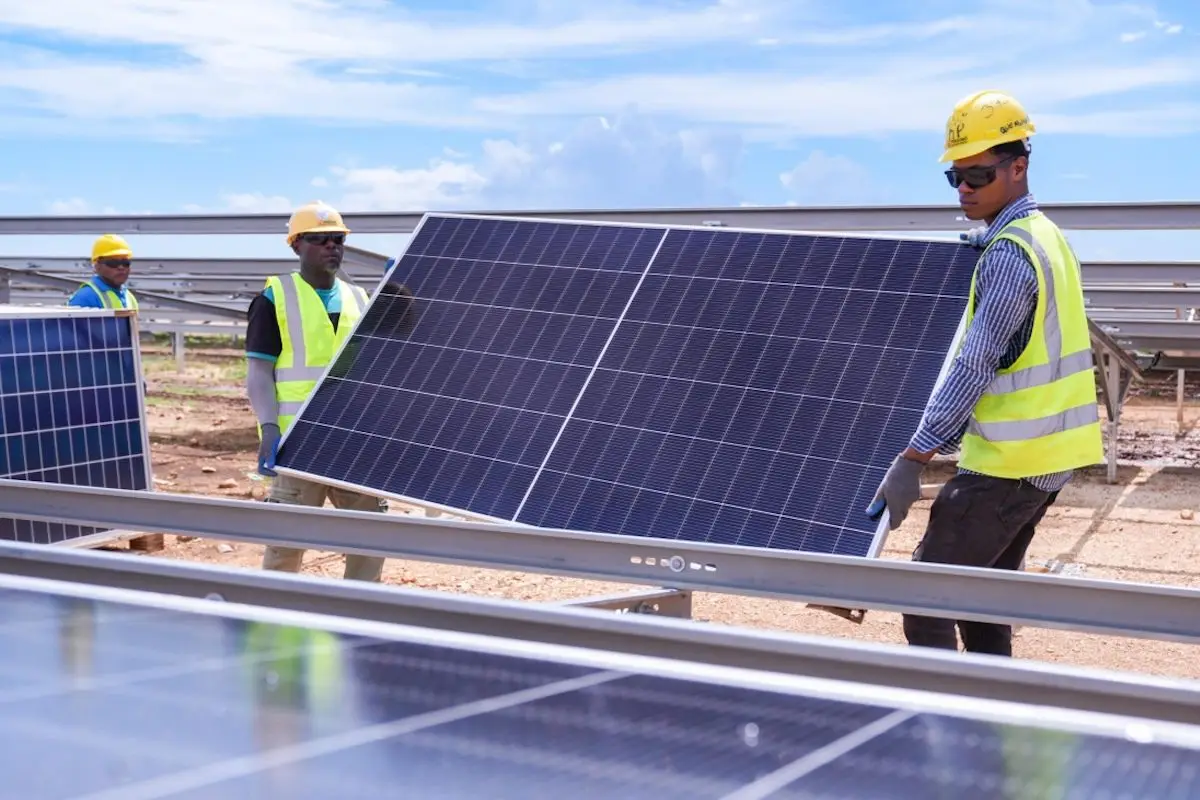
Around twice as many solar panels have been installed in the Caribbean as official statistics record, according to a new report by the think tank Ember. Analysis of customs data shows that the region installed 2.3 gigawatts of solar capacity between 2021 and 2024, but only around half is included in official electricity capacity records.
The gap is mainly due to households and businesses installing rooftop solar panels without connecting them to the central electricity system. This means the surplus energy they generate is wasted instead of being sold back to the grid.
China, the world's largest manufacturer of solar panels, has exported far more panels to the Caribbean than have officially been recorded as installed. This is part of a broader trend: from Pakistan and Nigeria to Cuba, people affected by rising fuel prices are turning to solar energy.
Energy crises are particularly severe in the Caribbean, as the island nations have very limited fossil fuel reserves and depend heavily on imports. More than 90% of the region's electricity is generated from fossil fuels, mainly imported oil and natural gas, making its electricity among the most expensive in the world.
Renewable energy sources offer a cheaper alternative, but the early growth of solar has yet to deliver real benefits for Caribbean nations. Analysts say reforms are needed to accelerate installations and connect systems to the grid. In several countries, utilities can effectively prevent competing energy sources, including solar installations, from connecting to the electricity grid. Analysts propose that regulators, rather than electricity companies, decide which energy sources can connect.
“Secure and affordable energy is within reach for the Caribbean,” said Wilmar Suárez, senior energy analyst for Latin America at Ember. “Leaders who act decisively will put their countries at the forefront of this historic opportunity.” The report calls on countries to make it easier to connect new solar installations to the grid, so that widespread adoption of solar energy translates into cheaper, more resilient electricity.


Comments