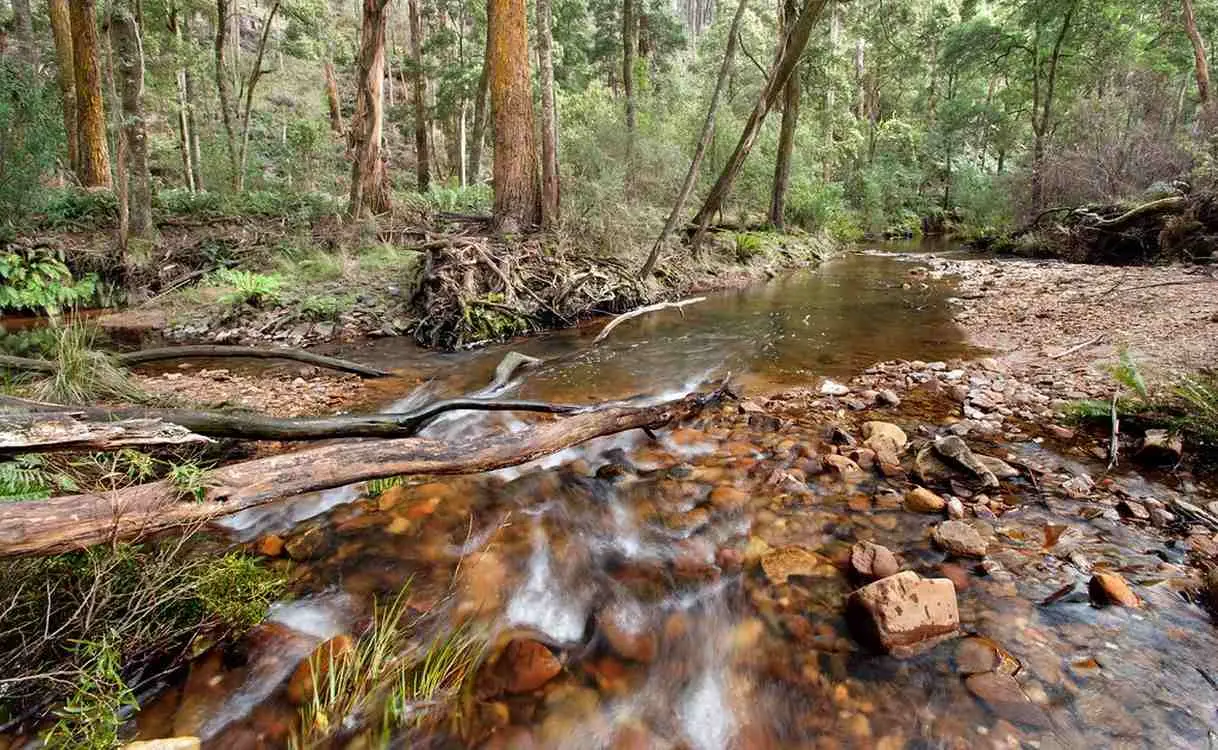
Three new national parks came into effect in the Australian state of Victoria, covering more than 250 square miles of forest in its central region. They are Mount Buangor National Park, Pyrenees National Park and Wombat-Lerderderg National Park, with the last being the largest. The legislation creating them was passed by parliament in November 2025.
They are the first substantial new national parks to be established in Victoria in 15 years. According to the report, they collectively protect hundreds of rare and threatened species of plants, animals and fungi. The forests' wildlife includes platypuses, greater gliders, monitor lizards, mountain skinks and owls, while Mount Cole grevilleas are also mentioned.
The creation of the parks was welcomed by the Victoria National Parks Association (VNPA), Wombat Forestcare and the Wilderness Society, along with other groups that had campaigned to protect the forests. VNPA executive director Matt Ruchel described the development as a significant day for nature and the people of Victoria. As he said, the years of effort by organizations and local groups are now becoming permanent protection.
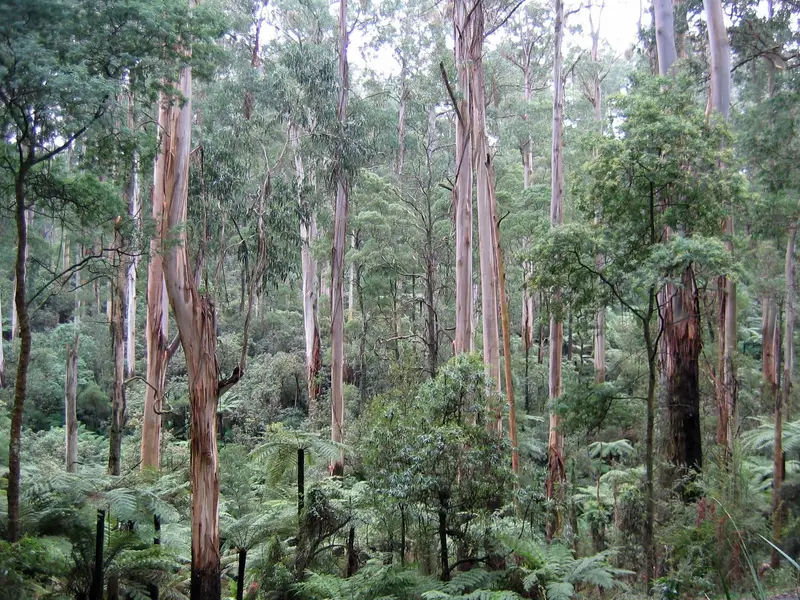
Gayle Osborne, a founding member of Wombat Forestcare, said the state government had formally recognized the importance of the forests of central western Victoria and moved to conserve them. She stressed that they provide important habitat for many plants, animals and fungi. In her view, protecting these habitats is essential for koalas, gliding marsupials and owls to continue living there.
Wombat Forestcare's campaign began in 2010 with a public meeting in Hepburn that brought the community together around the prospect of protected forests. In the years that followed, volunteers prepared detailed ecological reports on the areas eventually included in the new parks. According to the report, this work played a decisive role in initiating the government inquiry that recommended their creation.
The campaign also included searches for threatened animals and surveys of rare plants, in cooperation with local groups. Ruchel described an effort that continued despite delays, with repeated letters to the relevant authorities. The legal establishment of the parks thus marks the culmination of a long process of documentation and public campaigning.
The new parks are on the lands of the Dja Dja Wurrung, Eastern Maar, Wadawurrung, Wurundjeri, Gunaikurnai and Taungurung Indigenous peoples. These peoples have cared for the landscapes for thousands of years. Parks Victoria is now taking on the care of the forests alongside them, continuing this longstanding relationship with the land.
Management plans for the protected areas are expected to be developed jointly over the next 12 months. The VNPA says it is ready to contribute, aiming to care for both wildlife and people and secure the resources the parks need. Following legal protection, managing and supporting the new areas is the next step described by the organizations.
Comments