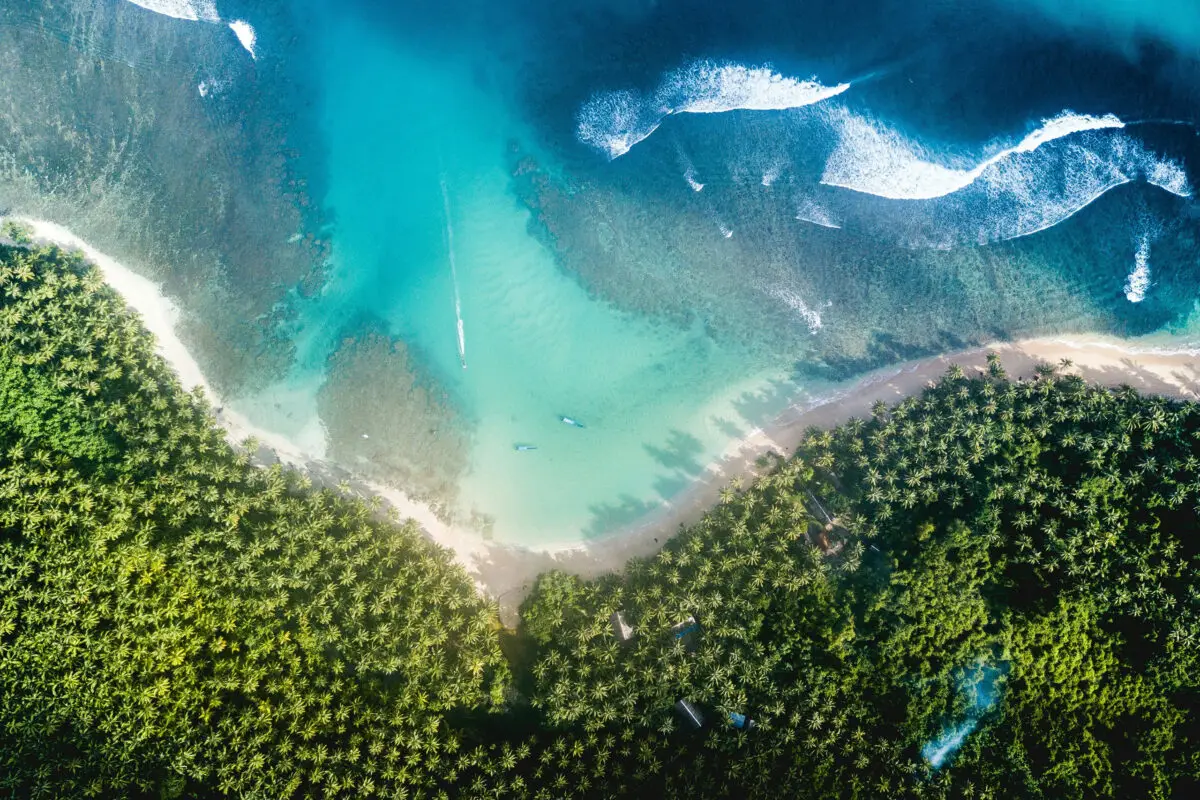
The global target of protecting and conserving at least 30% of the Earth's land and oceans by 2030 remains achievable, but governments will need to speed up implementation, increase biodiversity funding and improve the effectiveness of protected areas. This is the main conclusion of the new Global 30×30 Assessment, published by Campaign for Nature and Together for the Ocean.
According to the assessment, existing quantified government commitments could increase protection of land and inland waters from around 20% today to around 27% by 2030, while progress in the oceans remains significantly further behind. Its publishers describe the assessment as the most comprehensive analysis to date of global progress towards the target governments agreed in 2022. It is accompanied by the Ocean Protection Gap Report 2026, which examines progress at sea, where the gap between commitments and implementation is wider.
The 30×30 target is part of Target 3 of the Kunming–Montreal Global Biodiversity Framework, adopted at the Convention on Biological Diversity's COP15 conference in Montreal in 2022. The framework also requires implementation to respect the rights of Indigenous peoples and local communities.
The new assessment estimates that around 20% of land and inland waters is now designated as protected or conserved. Full implementation of existing quantified commitments could raise that share to around 27% by 2030, leaving a smaller coverage gap than the current trajectory suggests. However, the authors stress that commitments alone will not achieve the target unless countries turn them into concrete, mapped, costed and funded implementation plans.
More than 50 countries and territories already report land coverage of at least 30%, while countries such as Brazil, Australia, Canada, Costa Rica and Colombia have significantly expanded their protected areas. By September 2026, 132 of the Convention's 196 parties had submitted quantified commitments for land and inland waters.
For Africa, this distinction is particularly important. The continent is home to some of the world's most important concentrations of biodiversity, including the Congo Basin forests, savannas, wetlands, coastal ecosystems and marine habitats. These ecosystems support agriculture, fisheries, tourism, water systems, carbon storage and rural communities. Expanding protected and conserved areas without adequate long-term funding, local institutional capacity and community participation could leave governments with protection designations that are difficult to manage effectively.
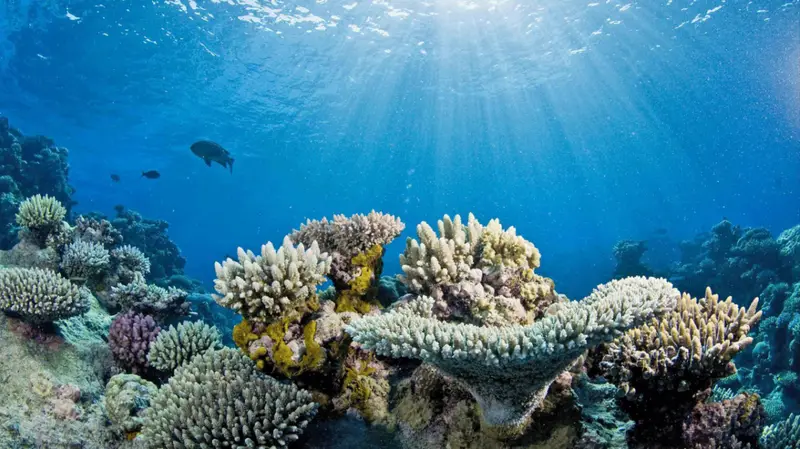
The ocean presents a much greater implementation challenge. The assessment finds that around 10% of the global ocean is currently designated for protection, while existing quantified national commitments would raise that share to only around 12% by 2030. Even more significantly, just 3.5% of the global ocean is assessed as effectively protected, meaning that destructive activities are excluded or substantially reduced within designated areas. This gap is clear in critical marine ecosystems: 33% of mangrove forests are reported as protected, but only 0.3% are assessed as effectively protected, while 47% of warm-water corals lie within protected areas, but less than 10% are assessed as effectively protected.
The High Seas Treaty has emerged as one of the central mechanisms for closing this gap. The high seas cover around two-thirds of the global ocean and historically lacked a comprehensive framework for establishing marine protected areas in international waters. The BBNJ Agreement, commonly known as the High Seas Treaty, entered into force on 17 January 2026, creating a legal framework for marine biodiversity beyond national jurisdiction.
Lance Morgan, president of the Marine Conservation Institute, described the ocean protection gap as a defining challenge for achieving 30×30, stressing that designation alone is not enough and that marine protected areas need effective management, adequate funding and safeguards against destructive activities.
The reports also place Indigenous peoples and local communities at the centre of the discussion about implementing 30×30. According to the assessment, land owned, governed or managed by Indigenous peoples and local communities could cover more than 35% of the planet's land surface. Around 60% of the known territories of these peoples and communities have experienced no or low human impact, while more than 40% overlap with intact ecosystems, areas of high biodiversity or areas important for stabilising the climate. Lucy Mulenkei and Ramiro Batzin, co-chairs of the International Indigenous Forum on Biodiversity, said Indigenous peoples and local communities have long managed many of the world's important ecosystems and called for greater recognition of their rights, knowledge and authority over their territories.
The funding gap remains another major constraint. The assessment estimates that achieving the global nature protection target will require around $100 billion to $180 billion annually, compared with current annual spending of around $24 billion. The ocean faces a particularly severe funding shortfall, with an estimated $16 billion needed annually compared with around $1.8 billion spent today. To close this gap, the assessment identifies tools such as national public budgets, conservation funds, Project Finance for Permanence, debt conversions and blended finance.
The African experience shows that protected areas require recurring spending on management, monitoring, enforcement, community participation and ecosystem restoration, making it necessary to move from short-term project funding to longer-term funding flows.
The economic dimension of the 30×30 target is becoming increasingly prominent. Campaign for Nature director Brian O'Donnell said protected and conserved areas should be seen not only as a conservation imperative, but also as investments in economic resilience, climate stability, food and water security, health and long-term prosperity.
With fewer than four years remaining until the 2030 deadline, the 30×30 target faces a dual challenge: closing the remaining coverage gap and ensuring that the areas counted deliver real conservation results. The assessment does not argue that the target is unachievable, but underlines that the window is narrowing and that the quality of implementation will matter as much as the number of hectares or square kilometres officially designated.
Comments