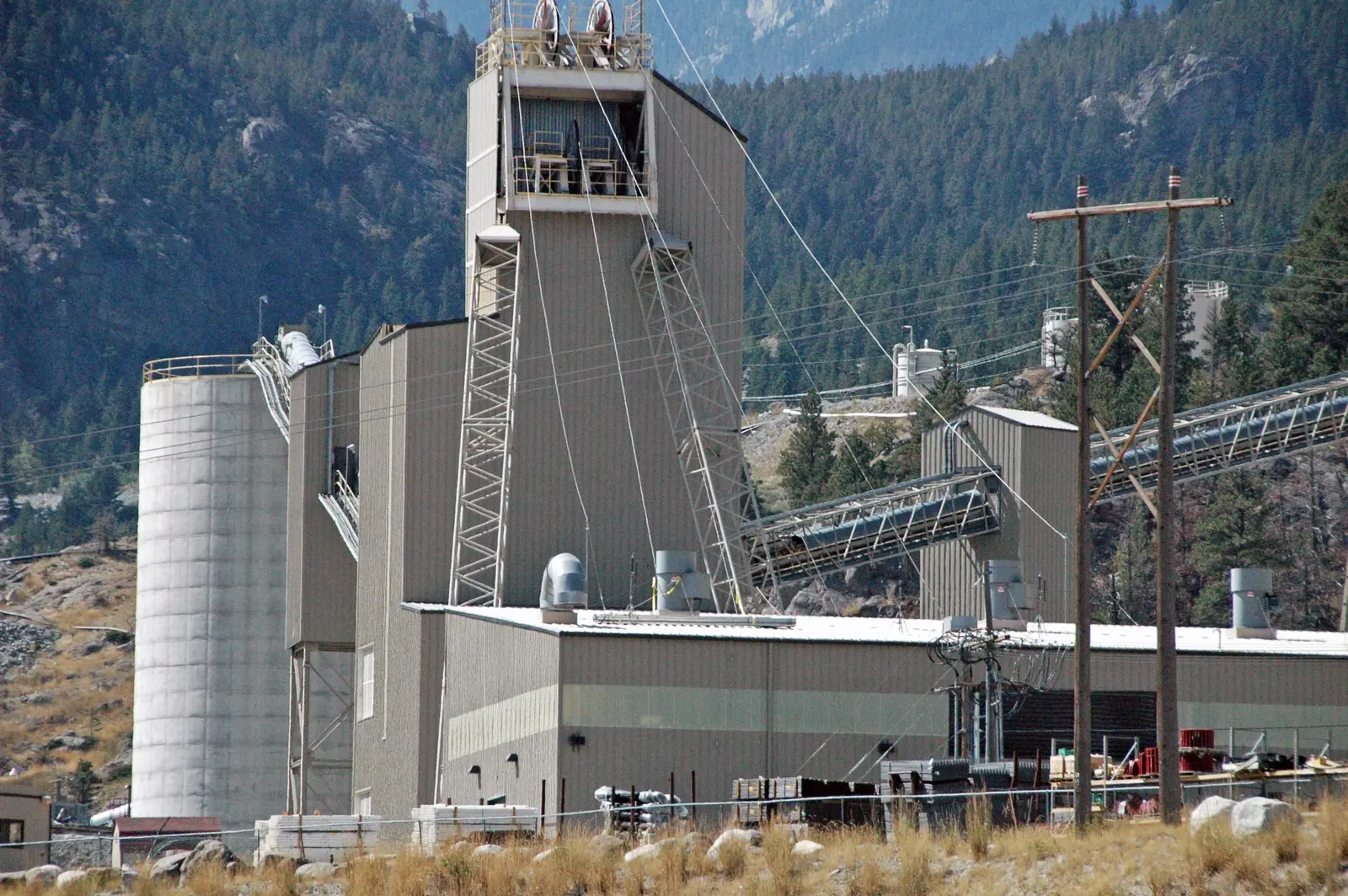
The roughly month-long strike at the Columbus Metallurgical Complex and Stillwater Mine in south-central Montana ended after a new three-year contract was approved. United Steelworkers Union 11-0001, which represents about 420 workers at the two facilities, approved the agreement on Tuesday, according to company spokesperson Heather McDowell. The facilities belong to the South African mining group Sibanye-Stillwater.
The strike began on September 3, with the disagreement focused on workers' health benefits and the structure of pay incentives. These were the main issues union negotiator Andrew Cameron described in an interview in September. Union representatives did not immediately respond to Montana Free Press's request for an interview on Wednesday, so the report does not include their assessment of the final agreement.
The new contract follows a separate agreement reached just over a week earlier by workers at the same company's East Boulder mine. Negotiations there concluded without a strike. Both East Boulder and Stillwater Mine produce palladium and platinum.
Behind the labor negotiations is financial pressure on Sibanye-Stillwater's palladium operations, which account for most of its mining activity in Montana. According to McDowell, the company is struggling to keep these operations profitable as the metal's price on the international market is at a historic low. Palladium is used to make automotive catalytic converters and is an important component of some electronic products.
The fall in its price had already been linked to significant job losses in the state. Two years ago, Sibanye-Stillwater laid off 700 workers in Montana, about 40% of its workforce there, citing the low price of palladium. That earlier development provides the economic context in which workers' benefits and incentives were discussed.
In a statement to Montana Free Press, McDowell welcomed the end of the strike and described the changes to benefits and incentives as necessary for the business's long-term financial viability. She also expressed the company's intention to work with employees at all three facilities to keep production going in the years ahead. The report does not provide the detailed terms of the contract, so the precise final changes to pay or health benefits are unclear.



Comments