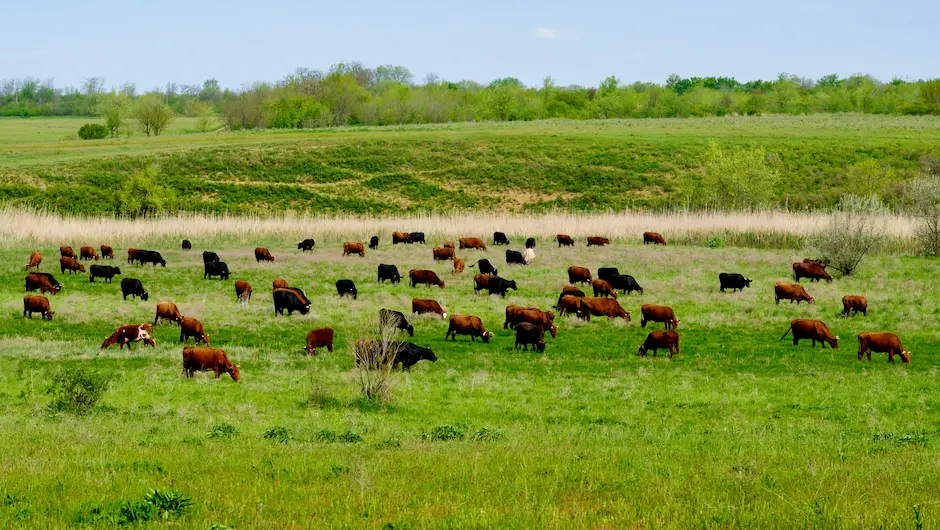
One of the leading US beef industry associations knew as early as 1989 that cattle contribute to global warming, but chose to focus on protecting consumer demand through public relations. That is the finding of a new study by researchers at the University of Miami’s Rosenstiel School of Marine, Atmospheric, and Earth Science, published in PLOS Climate. Authors Jennifer Jacquet and Loredana Loy analyzed internal documents, news coverage and government reports to trace how the National Cattlemen’s Association responded to emerging scientific knowledge about methane emissions from 1986 to 1996. The research shows that the association questioned global warming, downplayed beef production’s contribution and opposed campaigns urging consumers to eat less meat.
In the mid-1980s, studies increasingly identified livestock as a source of methane, a heat-trapping gas released during cattle digestion and through manure management. This broadened the discussion about responsibility for climate change beyond fossil fuels.
In February 1989, an association representative attended a US Environmental Protection Agency workshop that examined methane emissions from livestock and ways to reduce them. The resulting report identified options such as changes to animal diets, feed additives and different manure management practices. However, later that year, the association developed a strategic environmental plan that included countering criticism, commissioning reports from scientific and technical experts and promoting a positive environmental image.
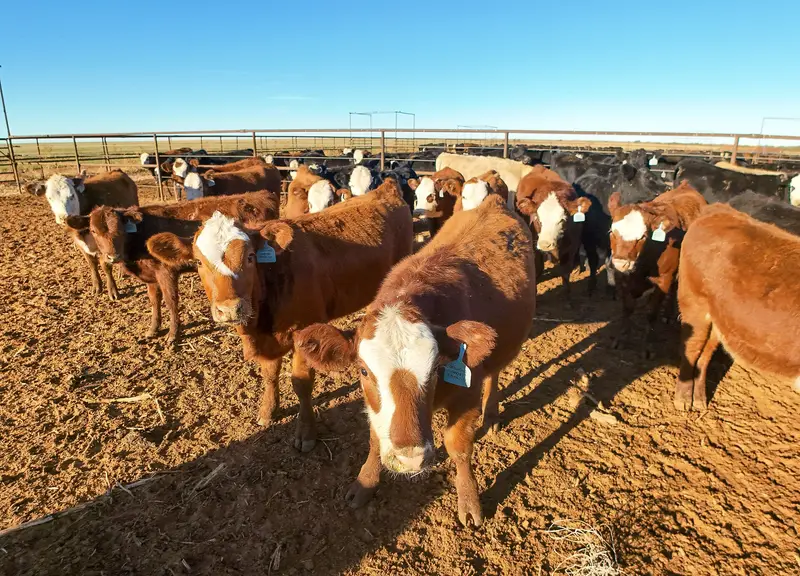
Jacquet and Loy document specific communications tactics: monitoring environmental organizations and news coverage, hiring academics to write reports and act as spokespeople, distributing talking points that minimized cattle’s contribution to climate change and questioning the credibility of those who advocated dietary change. One widely circulated, industry-funded claim stated that US cattle contributed just 0.5% of global methane emissions. According to the researchers, the figure was difficult to reproduce and resulted from selecting data that made the US contribution appear small by measuring it against global emissions from both human activities and natural sources. The association also promoted ranchers as environmental stewards through advertisements and informational materials. For Earth Day in 1990, it spent $100,000 on full-page newspaper advertisements that reached about 20 million people, according to the records.
Although some commissioned reports mentioned ways to reduce methane through dietary changes, the researchers found no evidence that the association investigated or promoted practices to reduce emissions. The authors note that the archive does not contain all internal documents and that the findings do not establish whether individual ranchers or companies independently pursued emissions reductions.
As Jacquet says, “the association’s main concern was the possibility that consumers would change their diets. That explains why its response focused on public communication.”
This history broadens our understanding of how industries responded to early climate science. The study identifies communications strategies similar to those documented for fossil fuel interests, but with a distinct emphasis on opposing voluntary changes in consumers’ diets.
For the analysis, 154 internal organizational documents were collected from the University of Wyoming’s American Heritage Center, of which 123 dated from 1986 to 1996, along with additional archival material, news coverage and government reports. The period examined ends with the association’s transition to the National Cattlemen’s Beef Association in 1996. The study is titled “Global warming and the National Cattlemen’s Association 1986-1996.”




Comments