Remembering an event means reconstructing it from what we noticed and what we ultimately retained. As the piece in The Marginalian explains, this selectivity underlies the Rashomon effect: different eyewitnesses can describe the same incident in substantially different ways. The issue concerns the reliability of eyewitness accounts, as well as how each of us understands our own life.
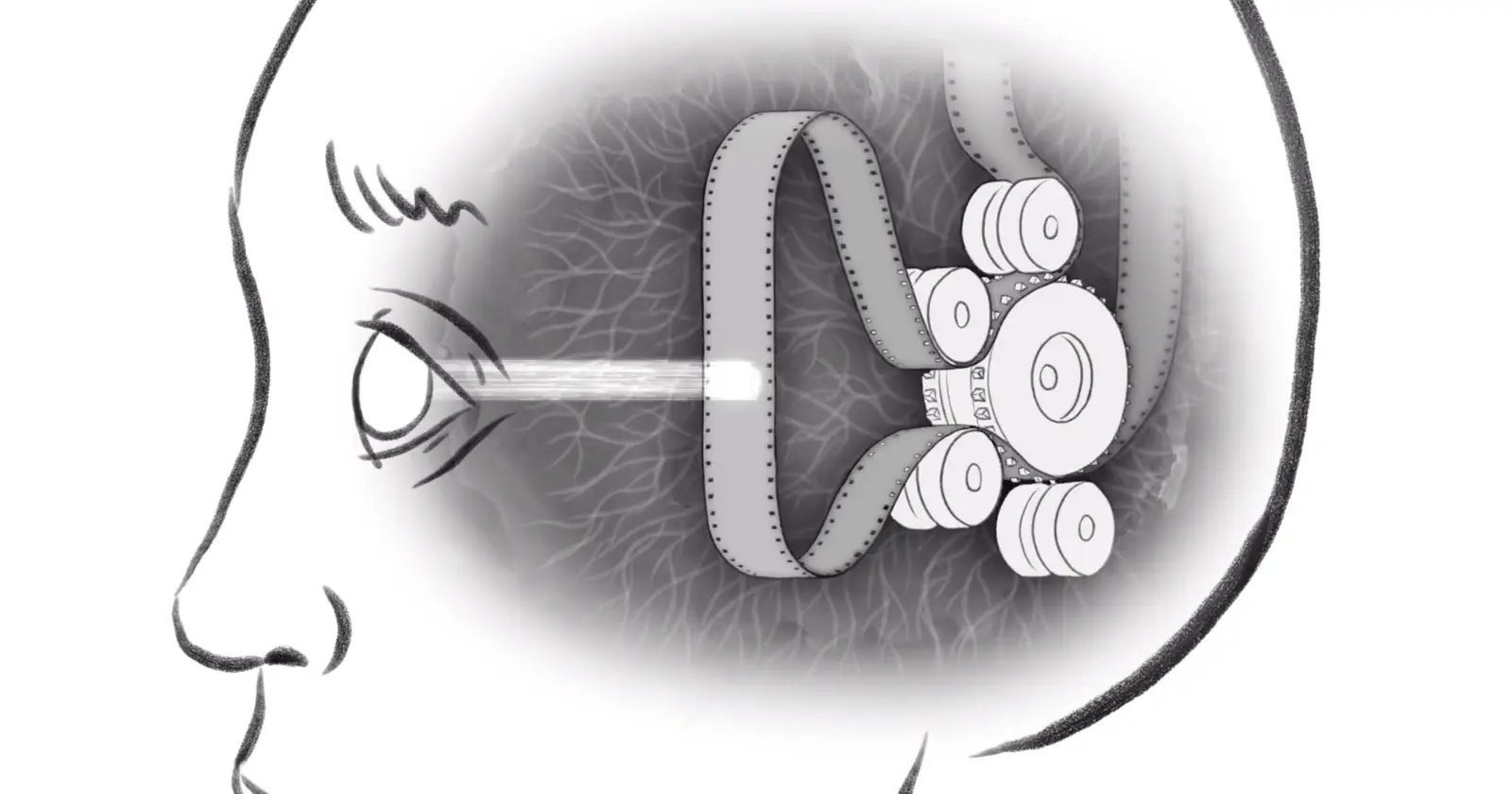
The process begins with attention itself. Of everything happening within and around us at any moment, we perceive only a portion, while memory retains an even smaller portion of that information. When we recall an experience, we try to piece together a complete picture from these limited fragments. The sense that a memory is complete can therefore coexist with significant gaps.
The phenomenon takes its name from Akira Kurosawa's film Rashomon, released in 1950 and based on Ryunosuke Akutagawa's short story “In a Grove.” In the story, four witnesses recount the murder of a samurai, presenting radically different versions. Each seems equally convincing, creating a cinematic exploration of the difficulty of determining what happened through conflicting accounts.
According to the article, as research in the second half of the 20th century shed light on the weaknesses of memory, the film lent its name to the documented unreliability of eyewitness testimony. An educational TED-Ed video presents the phenomenon and its wider implications. The piece thus connects a work of art with a scientific question: how faithfully can a personal memory convey a shared experience?
Selective memory also plays a central role in personal identity. From what we remember and what we leave out, we construct the story of who we are, which the article describes as a psychological support for our sense of self. At a collective level, it proposes a similar reading of history as selective memory that includes certain aspects of the past and excludes many others. This is the philosophical dimension of the piece, examining how memories shape our personal and cultural self-image.
To develop this idea, the article refers to neuroscientist Antonio Damasio and writer Jorge Luis Borges, connecting the workings of the mind with the fragmentary nature of memory. It also refers to neurologist Oliver Sacks' work on memory disorders and to a second TED-Ed video, featuring biomedical scientist Catharine Young, on how memories form and falter in the brain. The piece itself does not analyse these neurobiological mechanisms or present new research findings; it offers an introduction to how the limits of memory affect our understanding of the past.



Comments