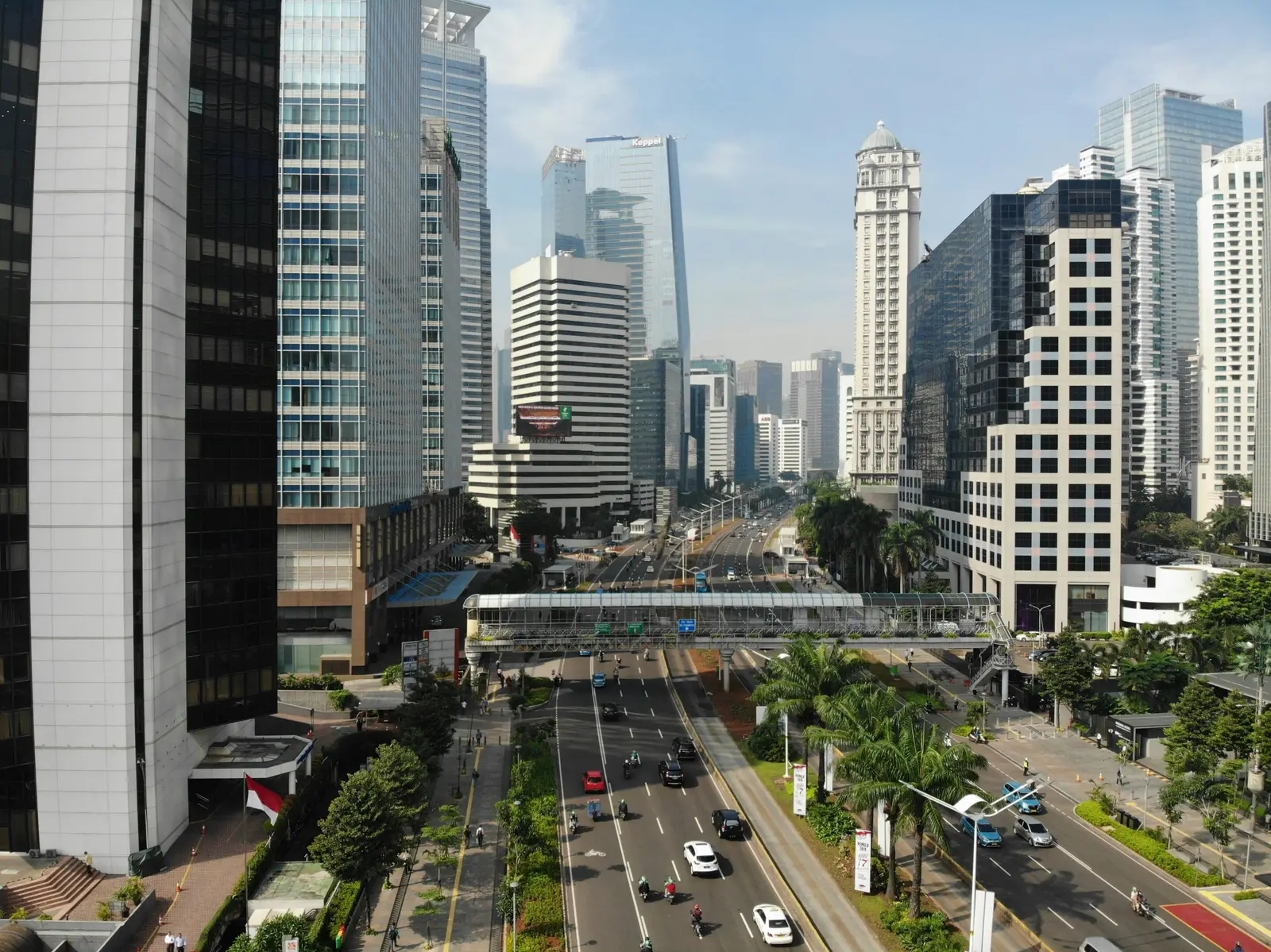
More than 170,000 cases of respiratory problems have been recorded in parts of Indonesia affected by toxic haze, a Health Ministry official said, as the country has struggled for weeks to control the fires causing it. According to the official, Then Suyanti, 174,694 cases of acute respiratory infections were recorded between August and September 21 in areas affected by forest and land fires. The total, covering seven Indonesian provinces, is up from the more than 113,000 cases reported by September 9.
Fires in Borneo, Sumatra and Papua have blanketed parts of the vast archipelago of more than 280 million people in haze, along with neighboring countries such as Malaysia and Singapore, sending air quality indices plunging. The toxic smog contains pollutants including PM2.5 particles, fine airborne particles smaller than a human hair, which the official said can pose health risks such as respiratory infections. More than 40,000 of the recorded respiratory cases involved toddlers, the official noted.
The Health Ministry has sent aid to the affected areas, including oxygen concentrators, face masks and oxygen cylinders. “We advise the public to reduce outdoor activities when air quality worsens, use masks and stay hydrated,” she stressed.
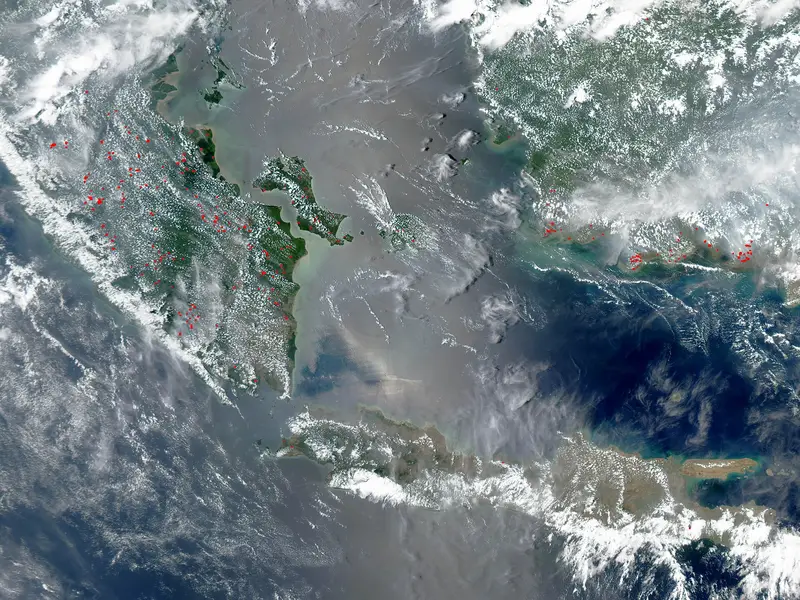
Indonesia regularly faces fires during the dry season, which usually lasts from July to October. This year, however, the fires are more intense, coinciding with an El Niño event expected to be the strongest since comparable records began four decades ago. Experts also attribute the situation to climate change, decades of forest degradation and slash-and-burn land clearing, which have altered the region's naturally fire-resistant landscape.




Comments