
A new study reveals more precisely the mechanisms through which LSD reshapes human brain dynamics. The researchers analysed magnetoencephalography (MEG) data from 17 participants, comparing the effects of LSD (75 μg intravenously) with placebo, with and without music. The findings show that LSD causes systematic and spatially organised changes in brain rhythms, the signal's aperiodic structure and its temporal complexity.
One of the study's most innovative findings concerns the frequencies of brain oscillations. The researchers found that LSD causes shifts in peak frequencies in the alpha and beta bands, a phenomenon that had not previously been mapped across the entire cortex. This matters because, as they explain, traditional analyses using fixed frequency bands can lead to incorrect conclusions: when a peak shifts upwards, it can appear to lose power simply because it is measured against a lower baseline.
After isolating oscillatory activity from the signal's aperiodic background (the so-called 1/f slope), the researchers confirmed that LSD causes a genuine reduction in the power of alpha and beta oscillations, independent of frequency shifts.
Beyond the oscillations, LSD caused a flattening of the aperiodic 1/f slope, suggesting a fundamental reorganisation of the brain's spectral structure. The researchers also recorded an increased fractal dimension of the signal (Higuchi fractal dimension) and increased Lempel-Ziv complexity, indicators that reflect richer and more varied neural activity. These changes preferentially affect networks associated with sensory processing, language, emotion and mental imagery, while the motor cortex remains relatively unaffected.
The study also examined whether music amplifies LSD's neural effects, a hypothesis with considerable clinical relevance, given that music is widely used in psychedelic therapy. The result was unexpected: music did not significantly amplify LSD's neural signatures; instead, a trend towards weakening them was observed. The neural mechanisms through which music shapes the psychedelic experience remain poorly understood.
The use of machine learning is of particular interest. Random Forest models were used to distinguish the LSD state from placebo, using features such as peak frequency shifts, aperiodic parameters and complexity metrics. The machine learning analyses identified these features as key to distinguishing the psychedelic state.
The authors emphasise that these results add to our understanding of how psychedelics reorganise large-scale brain dynamics. The study highlights features that may distinguish LSD from other serotonergic psychedelics: shifts in alpha peak frequencies appear to be a distinguishing feature of LSD, as they have not been reported for dimethyltryptamine (DMT) and have been reported only inconsistently for psilocybin.
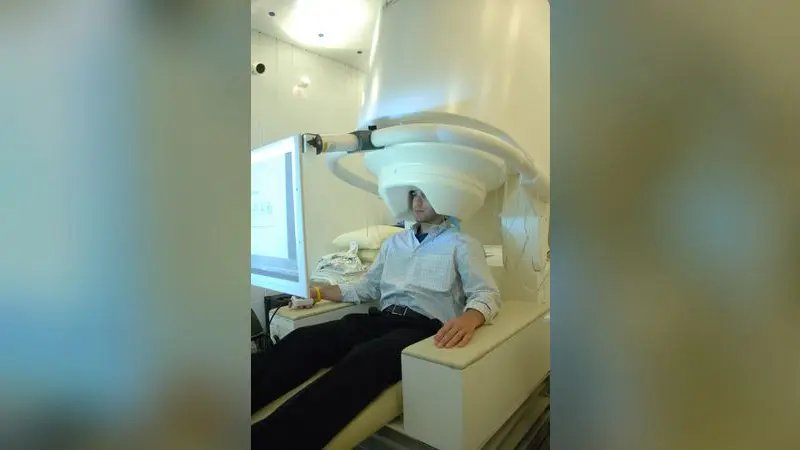
The research used data originally collected by the Carhart-Harris team, with participants receiving intravenous LSD or placebo in two sessions 14 days apart. MEG measurements were taken about 4 hours after the injection, with participants either resting with their eyes closed or listening to excerpts from the album “Yearning” by Robert Rich and Lisa Moskow. The analysis used advanced spectral parameterisation methods to separate oscillatory from aperiodic activity.
The researchers stress the study's limitations: the small sample (17 participants) and the exploratory nature of the analyses of correlations with subjective ratings. However, the findings provide an electrophysiological map of LSD's effects on the human brain and pave the way for future research into how psychedelics can be used therapeutically for mental disorders.




Comments