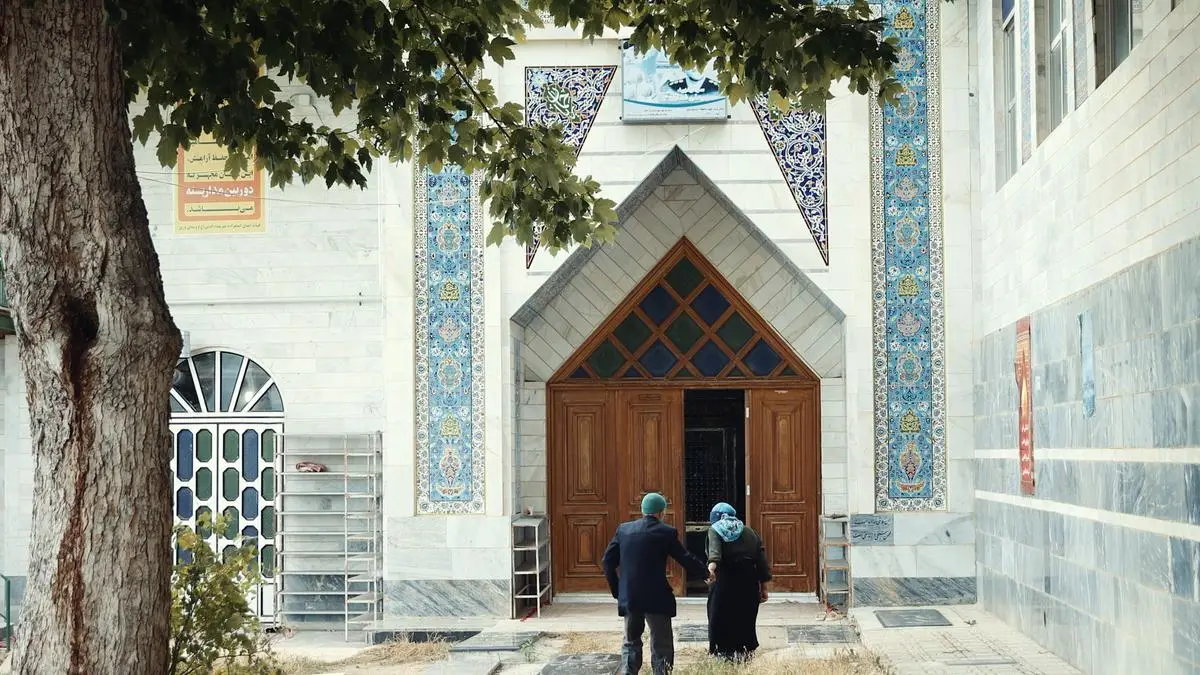
In the documentary I Won’t Remain Alone, Iranian filmmaker Yaser Talebi follows an elderly couple in a small village in northern Iran whose son has been pronounced brain dead after a tragic accident. The title sharpens the emotional question at the centre of the film: whether the parents can accept a loss and, at the same time, allow something of their son to continue.
According to the film synopsis, doctors approach the couple about authorising the donation of their son’s organs. The request leaves them with an agonising decision: to let their son go so that someone else’s life might continue. That choice is the dramatic and moral heart of the documentary.
Talebi is described as a filmmaker who brings human stories to the screen with care and empathy, lending a poetic framing to the lives of ordinary people. In this film, his method means staying close to the couple as they weigh the choice, rather than treating the situation as an abstract medical dilemma.
The story unfolds in a village setting, away from the noise of a larger city. The synopsis notes that Talebi captures the grief that envelops the couple’s lives, and that grief is presented as something that surrounds them while they confront what has happened.
Organ donation is the immediate subject, but the film’s focus remains on the human decision behind it. The couple are not simply asked to sign a form; they must make sense of what it means to authorise the removal of organs from a son who is brain dead but still connected to them.
The synopsis highlights the powerful consequences of the couple’s ultimate decision, though the documentary lingers on the weight of the choice before any result. For viewers, it offers a restrained portrait of grief and generosity in a private, rural world, and a reminder that medical decisions are also emotional and moral acts.




Comments