For Lisa Kwon, traditional rituals did not ease her grief. After Mary, her then-partner’s mother and an important maternal figure, died after 14 months with cancer, Kwon attended public funerals, spoke with death doulas and nondenominational clergy, and signed up for self-help newsletters. Yet she still felt adrift and was tormented by guilt over whether she had made enough of those final months.
Mary had been a steady, caring presence. On weekly trips to supermarkets and stores such as Marshall’s and Dollar Tree, she taught Kwon to check prices and look for bargains. Afternoons often ended with Vietnamese beef soup and an invitation to dinner. In these seemingly ordinary moments, Kwon writes, Mary made time stand still and made her feel cared for with no strings attached.
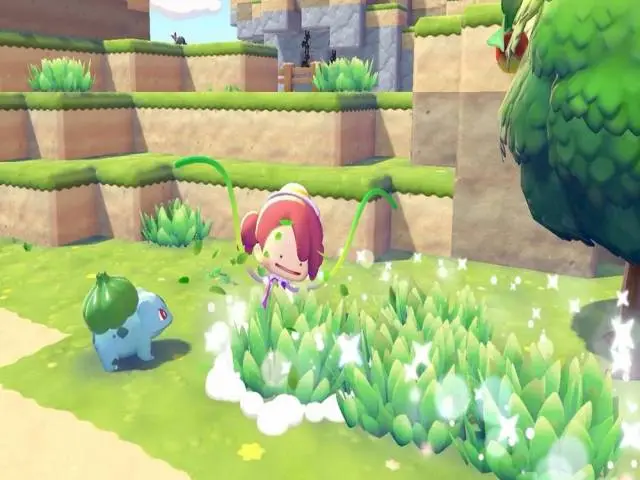
The unexpected source of comfort was Pokopia, a social simulation game released in March. Its protagonist is Ditto, an amorphous purple blob of a Pokémon that mimics its human trainer and tries to restore a post-apocalyptic world without humans or Pokémon. Kwon initially saw it as a distraction, but it became a journey into what it means to feel left behind.
In the game, Ditto wakes up in a cave and finds dry land and rubbish. With Squirtle’s help, it waters the parched soil, restores habitats and entices other Pokémon to return. Unfinished railway tracks and cracked steps begin to look like problems that can be solved rather than destruction—a perspective that resonated with Kwon after her loss.
Researchers have studied the search for meaning after loss. Psychologists Login S. George and Crystal L. Park describe meaning as resting on understanding, purpose and significance. A 2023 study by game researchers Karam Eum and Young Yim Doh found that bereaved adults who played games with narratives about loss could process their grief: sad memories surfaced, but so did positive ones.
In Pokopia, returning Pokémon often react with surprise, defensiveness and then relief. Some hold on to items their trainers wore, such as a Tangrowth wearing very small glasses, while others comment on Ditto’s human appearance. These details confirmed for Kwon that helping others return home was meaningful, just as Mary’s care had been.
In her everyday life, Kwon still sees Mary in supermarket bouquets of pink roses and smells her in the broth from the apartment next door. But she also notices ordinary calls for care—a neighbor asks for help with meals, a stray cat meows at her window, asking her to open the building’s front door—and feels the urge to help, as she used to help Mary. The game gives her an image of tending colorful fruit trees and clearing paths through the sand to build homes, acts she connects with Mary’s care for others.
She concludes that although grief can feel isolating, it is universal. Pokopia, with its positive goals, helps her rebuild her joy and choose whom and what she lives for, even if loved ones do not return. When her sadness deepens, she turns to the Switch 2 at the foot of her bed, checks on her Ditto and builds a new home for her Pokémon, as Mary once did for her.


Comments